Sealing & natural stone filling in Mainz, Neuwied and the surrounding area - within a radius of 100km
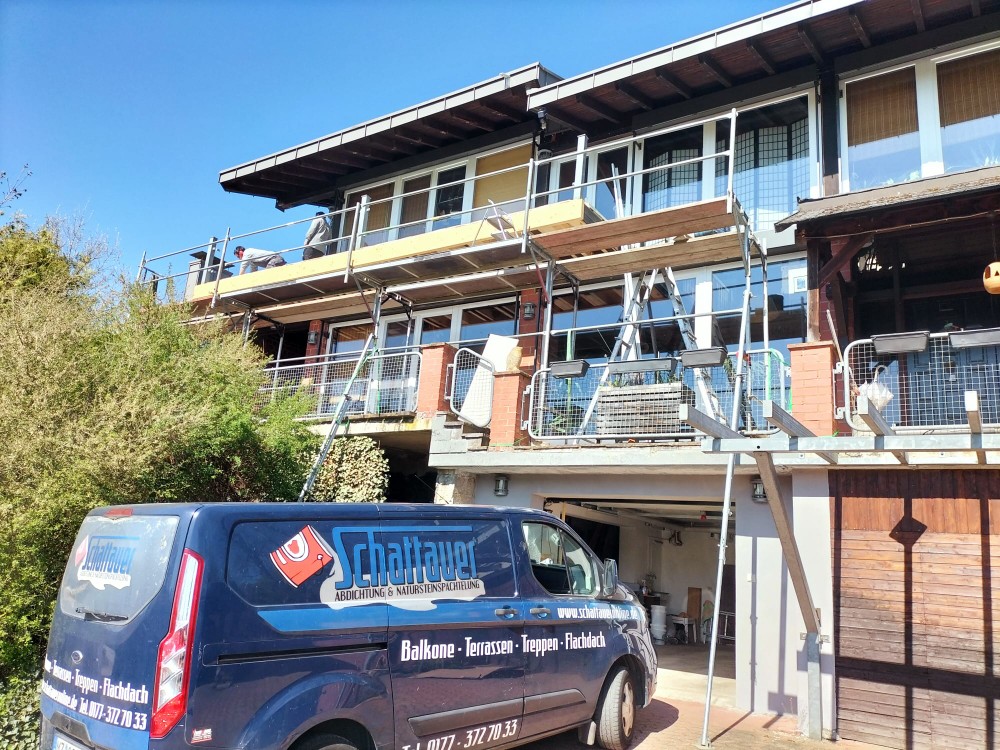
THE SPECIALISTS FOR BALCONIES & TERRACES - FOR OVER 20 YEARS
Satisfied customers helped the Firma Schattauer survive even economically difficult years thanks to recommendations. Clean and decent work pays off - then as now.
We would like to thank all customers, suppliers and partners for the good cooperation and look forward to new projects.
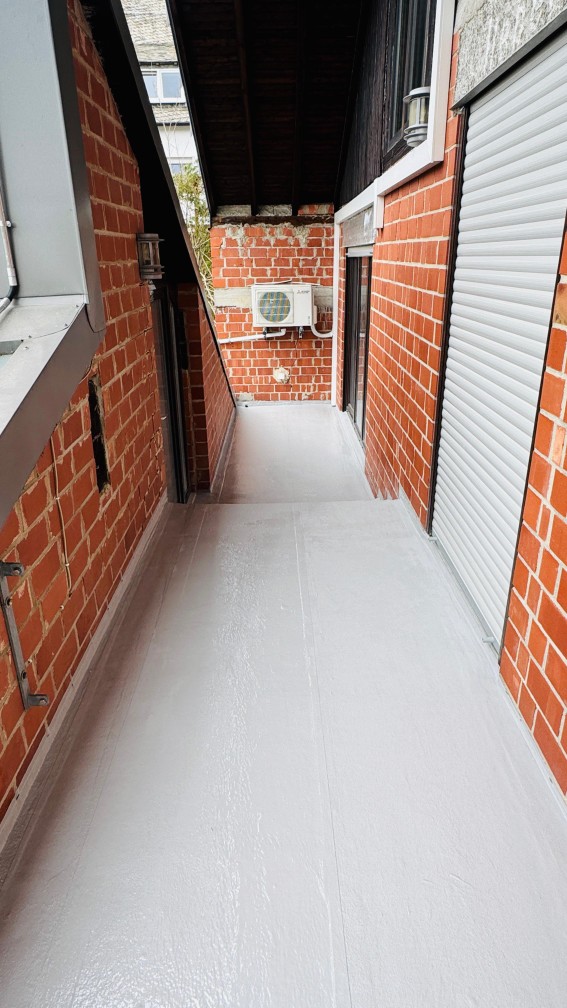
- Terrace, balcony and flat roof sealing
- Industrial, utility and garage floor coatings
- Decorative coverings for inside and outside as well as colored tile coatings
The Firma Schattauer offers a 10-year guarantee on the sealing of the coated building structure!
Visit our Gallery and get an impression of our work. Our motto: Impossible? Not here.
Focus of our work
Balcony, terrace & more within 100 km of Mainz/Neuwied
Firma Schattauer specializes in balconies, terraces and more: coating, waterproofing and natural stone filling for outdoor and functional surfaces that need to stay watertight, durable and visually coherent.
- Balcony
- Terrace
- Flat roof
- Garage/floor
- Stairs
- Natural stone filling
Professional balcony and terrace sealing from a specialist company
Schattauer creates long-lasting seals and coatings for balconies, terraces, stairs and flat roofs. We work with proven systems and ensure robust, easy-care surfaces - individually tailored to the property.
FAQ: From inquiry to completion
How do I start a request and what should you send with it?
The quickest way is to use a contact form or email with location, area, desired period and 2-3 photos. This allows us to assess your project in advance and suggest a suitable date.
How does the viewing and offer work?
After the initial coordination, we check the surface, connections and overall condition on site. You will then receive a comprehensible offer with the scope of services, material structure and cost framework.
When does the project start and how long does it take?
The start date depends on the order situation, area size and weather conditions. Smaller areas are often completed within a few days, larger projects are staggered accordingly.
How does the execution work on site?
We work in clear steps: preparation, surface renovation if necessary, sealing/coating, drying phases and final inspection. During this time, you will receive transparent feedback on progress.
Are individual color requests or patterns possible?
Yes. Depending on the system, individual colors, mixed tones and patterns are possible. We will show you suitable examples in advance so that the result fits your property technically and visually.
How does acceptance and project completion take place?
Finally, we inspect the area together, discuss care and use and record the final state. The final invoice will then be issued in accordance with the agreed scope of services.
What if there is later damage or leaks?
Please contact us early with photos and a short description. We check the cause and condition on site and coordinate further action with you within the scope of the legal warranty and as a service case.


Project process compact
- 1. Request You send the most important key data and photos.
- 2. On-site appointment The surface, condition and target image are checked.
- 3. Offer You will receive a clear, comprehensible range of services.
- 4. Execution Structured implementation with clean coordination.
- 5. Acceptance Joint final inspection and instructions for care.
- 6. Follow-up care If you have any questions or have any late damages, we will remain available.
Individual colors and patterns are also possible for many projects. We coordinate the design with you in advance to suit the property.