Guide | Schattauer Mainz & Neuwied

Slip resistance by class: Which surface is suitable?

Slip resistance is more than just looks. The guide takes you from the classes through use and cleaning to the practical decision.

Area of ​​application

Mainz, Neuwied and the surrounding area

Proceed

Advice, on-site testing, clean system setup

Goal

Long-lasting, dense and easy-care surfaces
Short answer: More slip resistance means more safety, but often also more care. The appropriate class depends on usage and weather.
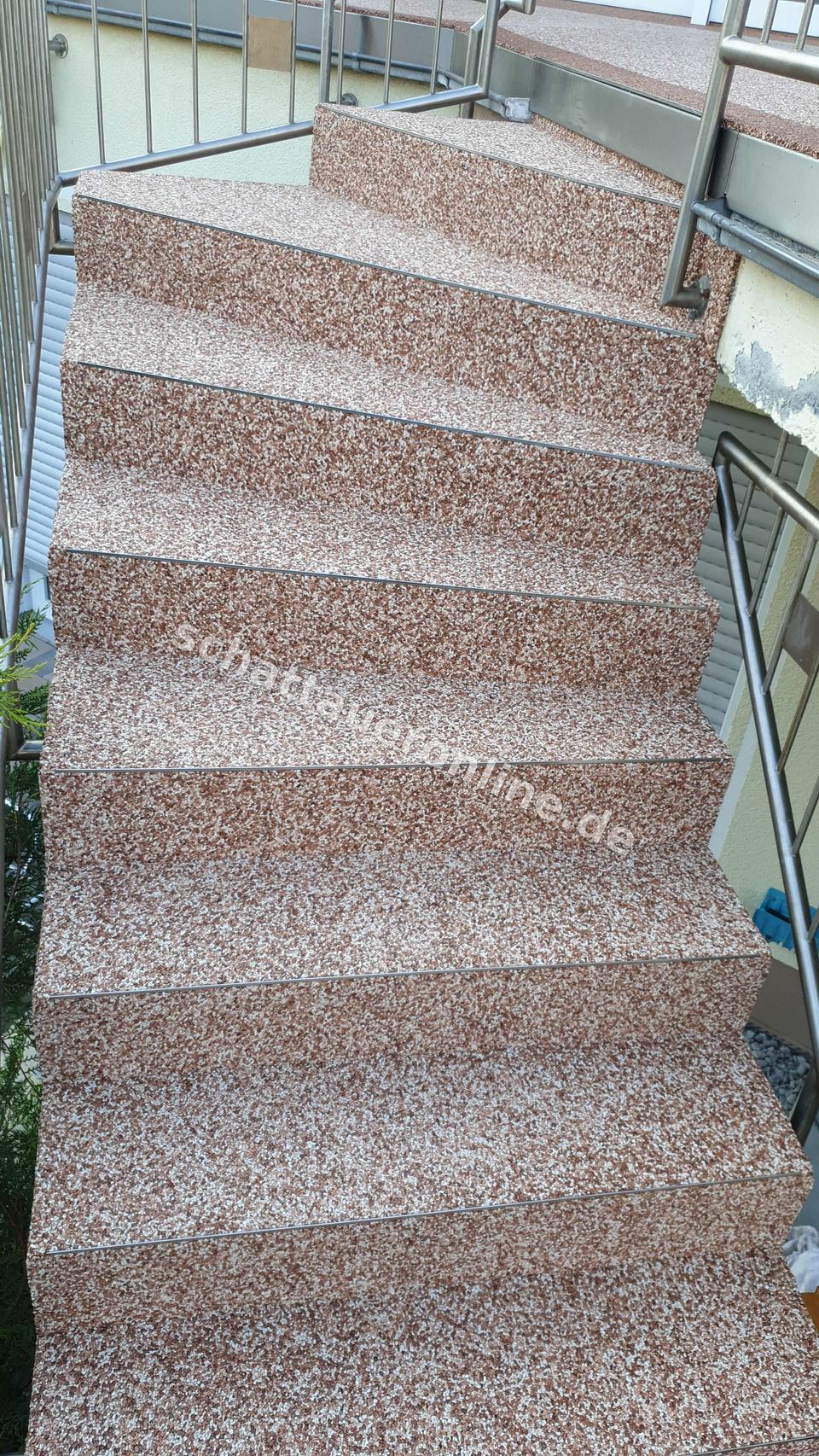
Reference from a Schattauer customer project: Outdoor stairs with anti-slip coating, stable edge areas and well thought-out details. Focus: Slip resistance by class.
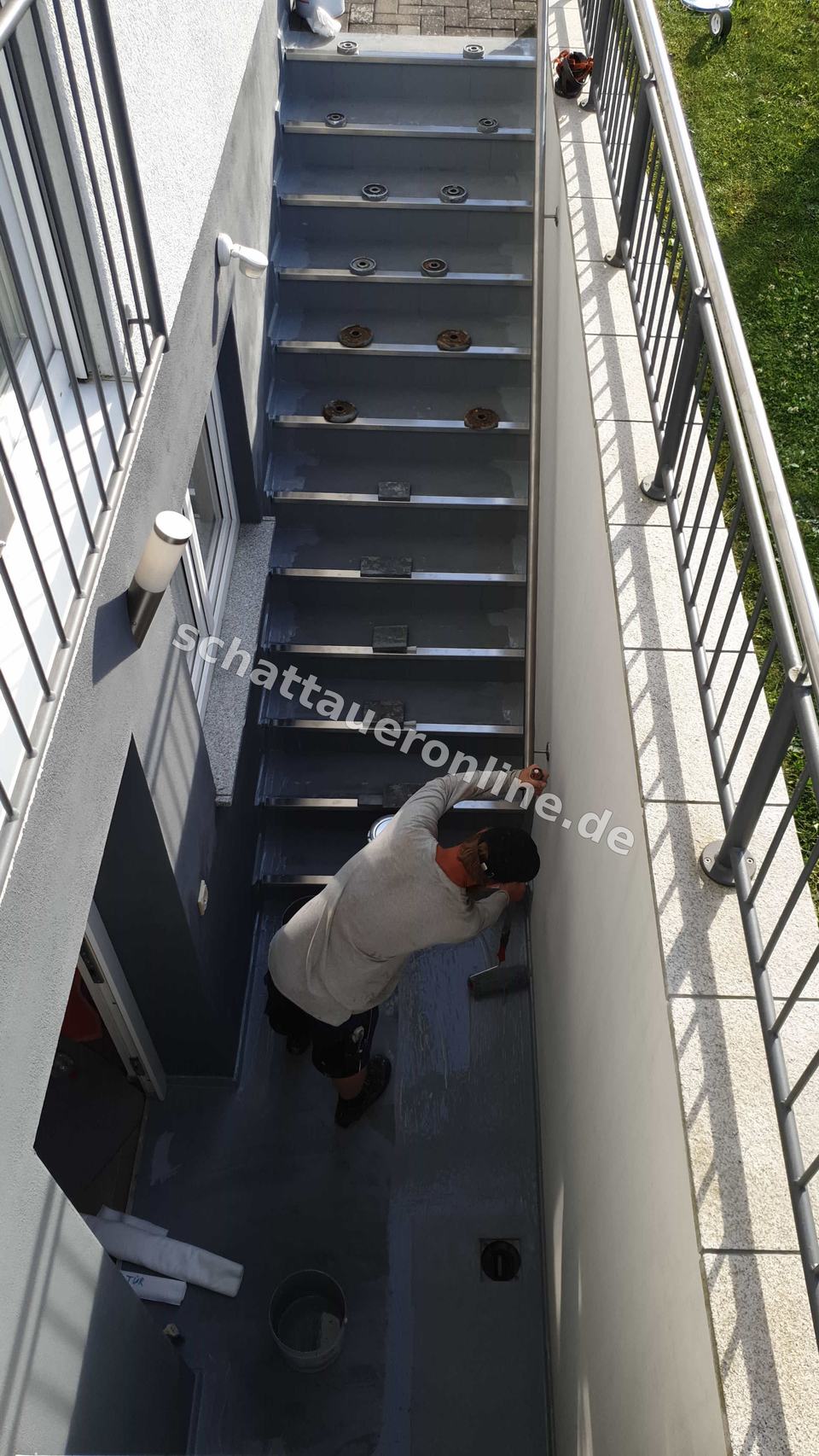
Practical recording from Schattauer from Mainz/Neuwied: Slip resistance by class.
External stairs with anti-slip coating, stable edge areas and well thought-out detailed design - documented by Schattauer for safety in wet conditions.
Original project photo from Schattauer on the topic of safety in wet conditions.

Understanding slip resistance classes

Outdoor surfaces are classified into classes depending on their use (e.g. R classes). The higher the class, the more slip resistance the surface offers.

It is important that the class fits the actual use - too little is unsafe, too much can be unnecessarily harsh. This brings usage into focus in the next step.

Short info: Rule of thumb: Safety comes first, but the surface must also remain maintainable.

Usage determines the class

Entrances, outside stairs and wet walkways require higher safety reserves than rarely used areas.

Leaves, moss or frequent rain also increase the demands on the surface. What then counts is how cleaning and care fit into the class.

Short info: Usage and weather conditions are the decisive factors for class selection.

Think about cleaning and care

Rougher surfaces offer more slip resistance but can be harder to clean.

A coordinated cleaning concept prevents safety and care effort from working against each other. This makes the practical decision understandable.

Short info: Slip resistance and care must be planned together.

Make a practical decision

The correct grade is best determined based on usage, cleaning effort and detail zones.

Adjacent areas and transitions should also be taken into account in the consultation.

Short info: Practical selection prevents subsequent improvements.

Practical knowledge: Define slip resistance appropriately

Security comes from a class that suits the use - plus clear care.

Checklist for clients

  • Record usage, moisture exposure and cleaning effort.
  • Plan higher safety reserves for stairs and entrances.
  • Compare surface structure with maintenance effort.
  • Have the class and system clearly documented in the offer.

Common stumbling blocks in practice

  • Select slip resistance only based on appearance.
  • Surface too rough without choosing a care concept.
  • Ignore transitions and edge zones when making your selection.

Frequently asked questions

Which class do I need for outdoor stairs?

This depends on usage and exposure to moisture - higher classes usually make sense.

Is more slip resistance always better?

Not necessarily because surfaces that are too rough are harder to clean.

Can slip resistance be increased subsequently?

Depending on the system, this is possible, but should be checked technically.

Regional entrances for Mainz and Neuwied

If you would like to get straight into regional project planning, these pages lead to suitable performance and decision paths:

Next Steps

If you would like to classify your project, send us dimensions, photos and your target image. This will give you a quick, reliable initial assessment.

Helpful introductions

Direct contact: To the contact form or by phone at 0177-3727033.

Related guides