Guide | Schattauer Mainz & Neuwied

Sealing or coating? Decision support for Mainz and Neuwied

Many projects start with the question of whether sealing is necessary or whether a coating is enough. The guide takes you from the differences through typical applications to making a safe decision.

Area of ​​application

Mainz, Neuwied and the surrounding area
Proceed

Advice, on-site testing, clean system setup

Goal

Long-lasting, dense and easy-care surfaces
Short answer: Sealing protects the building structure from moisture, coating protects the usable area. Which solution is suitable depends on the surface, moisture content and use.
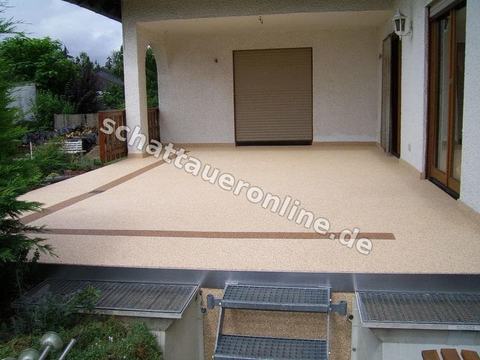
Terrace project with coordinated sealing, decorative surface and weather-resistant layer structure - documented by Schattauer for sealing or coating? Decision support for Mainz and Neuwied.
Original project photo from Schattauer on the subject of sealing or coating? Decision support for Mainz and Neuwied.
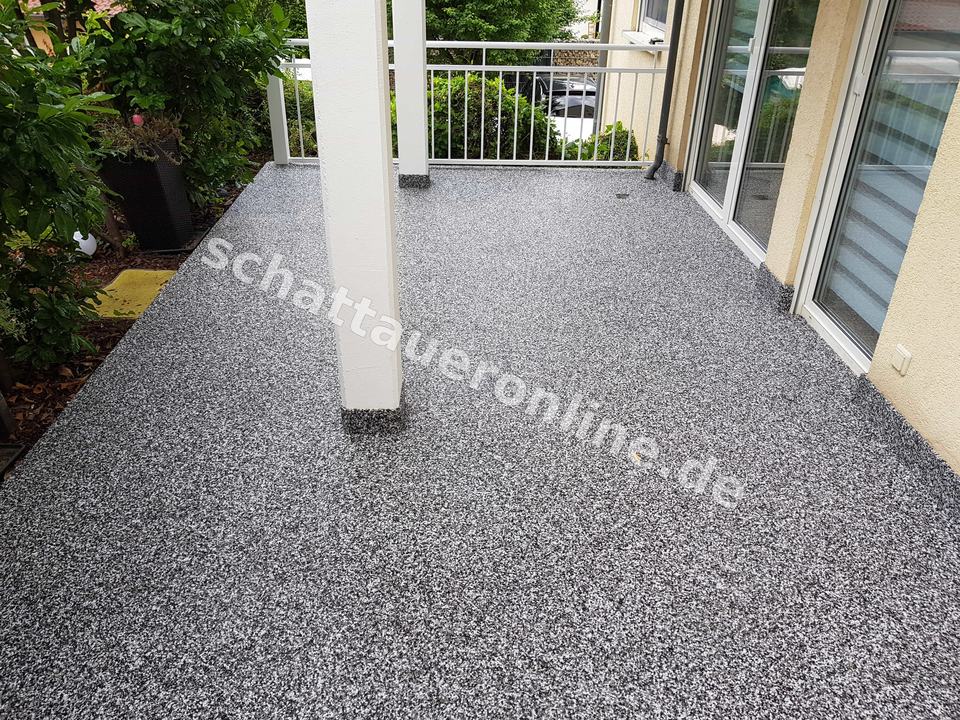
Reference from a Schattauer customer project: Terrace project with coordinated sealing, decorative surface and weather-resistant layer structure. Focus: Terrace waterproofing with a system.
Original project photo from the Schattauer company on the subject of systematic terrace waterproofing.

Sealing and coating: same area, different task

A seal prevents moisture from penetrating the structure. A coating protects the usable area, improves appearance and slip resistance.

In practice, there are often mixed cases: the old structure is only partially tight and the wear layer is worn out. Then a clear inventory check is needed as the next step.

Short info: Key message: Coating is the wear layer, sealing is the protection underneath.

When sealing is mandatory

Sealing is necessary if underlying components need to be protected from moisture, such as living spaces or insulated structures.

Sealing is also the safe choice for standing water, open joints or unclear old structures.

Short info: Practical rule: If water stands for a long time or can migrate into the component, sealing is required.

When a coating may be sufficient

A coating makes sense if the surface is dense, stable and dry and, above all, the appearance or slip resistance needs to be improved.

Preparation remains important: cleaning, adhesion testing and clean edge details determine durability.

Short info: A good coating rarely fails due to the material, but rather due to unclear preparation.

So the decision is made safely

The right choice depends on on-site testing, subsurface condition, connections, slope and usage.

A clear offer states the shift sequence, detailed work and expected service life - this makes the comparison reliable.

Short info: Transparent service descriptions avoid additional costs later.

Practical knowledge: Deciding between sealing and coating

Clear decision criteria arise from the subsurface, moisture load and planned use - not from assumptions.

Checklist for clients

  • Document the subsurface condition and moisture pattern through visual inspection and photos.
  • Detect standing water, open joints or edge cracks separately.
  • Check underlying components (living space, insulation, wood) for protection needs.
  • Record usage and cleaning intensity as a decision criterion.

Common stumbling blocks in practice

  • Coat even though there are moisture problems or open details.
  • Comparing offers without a clear layer structure.
  • Treating edge details as rework rather than core work.

Frequently asked questions

Can you coat first and seal later?

If there are moisture problems, sealing should be carried out first - otherwise subsequent improvements will be costly.

Is waterproofing more expensive than coating?

Mostly yes, because the construction and detailed work is more extensive.

What role does usage play?

High loads, frequent cleaning or wet walkways require more robust systems.

Regional entrances for Mainz and Neuwied

If you would like to get straight into regional project planning, these pages lead to suitable performance and decision paths:

Next Steps

If you would like to classify your project, send us dimensions, photos and your target image. This will give you a quick, reliable initial assessment.

Helpful introductions

Direct contact: To the contact form or by phone at 0177-3727033.

Related guides