Guide | Schattauer Mainz & Neuwied

Plan balcony construction correctly: layer sequence and details at a glance

A permanent balcony structure needs a clear sequence of layers and clean detailed zones. The guide covers everything from the subsurface and slope to the sealing, the wear layer and the details that ensure the service life.

Area of ​​application

Mainz, Neuwied and the surrounding area

Proceed

Advice, on-site testing, clean system setup

Goal

Long-lasting, dense and easy-care surfaces
Short answer: A balcony remains tight if the substrate preparation, sealing and wear layer are coordinated with each other according to the system.
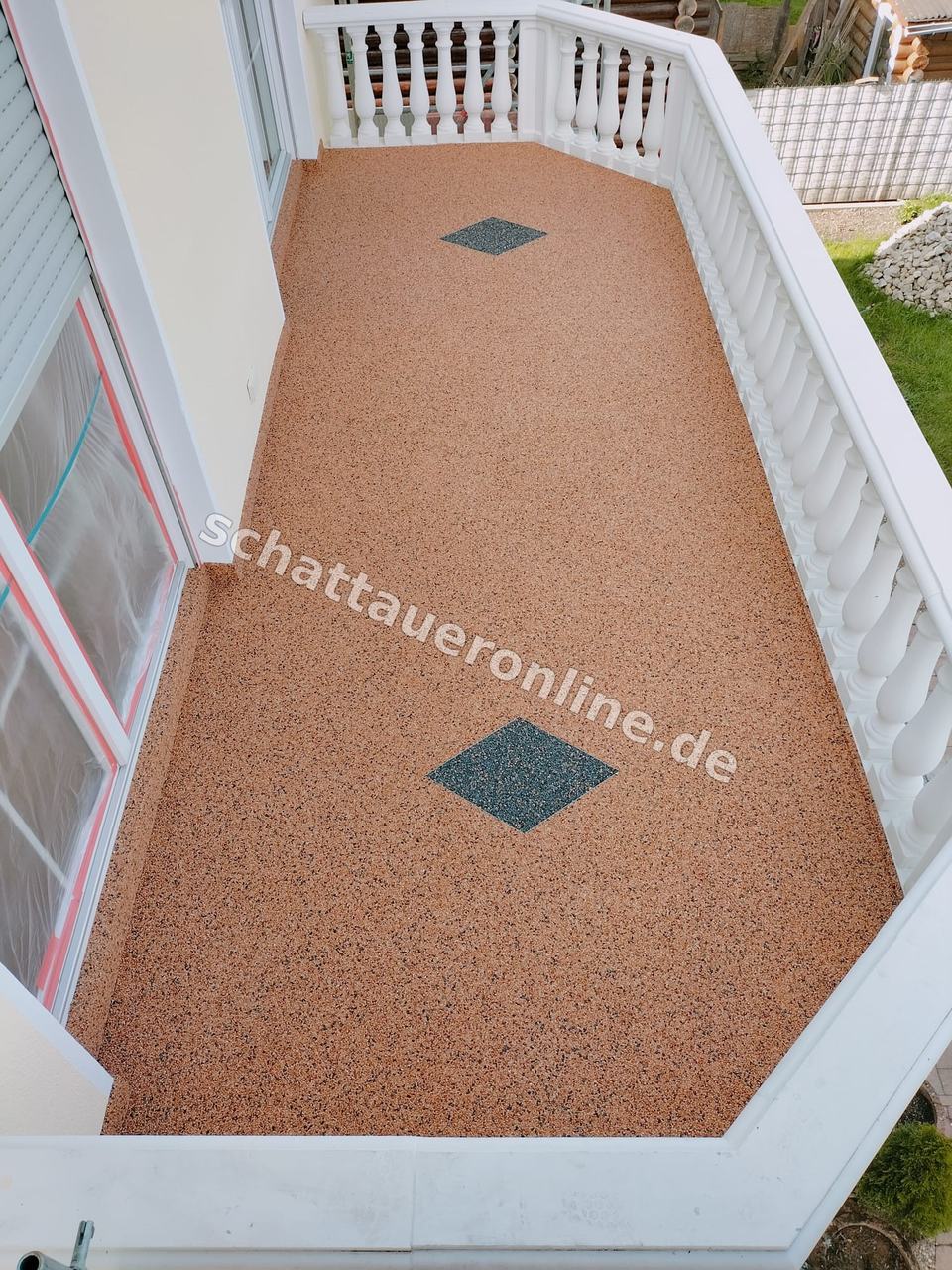
Balcony area after renovation with new sealing structure, clean edge connections and resilient wear layer - documented by Schattauer for planning the balcony structure correctly.
Original project photo from the Schattauer company on the topic of planning balcony construction correctly.
Real Schattauer project recording for When the balcony becomes leaky: Balcony area after renovation with new sealing structure, clean edge connections and resilient wear layer.
Documented recording from a Schattauer customer project: When the balcony leaks.

Subsoil and slope: the basis of the structure

Before construction, it is checked whether the subsurface is load-bearing and whether there is a functioning gradient.

Old coverings must be checked for adhesion and condition so that the new structure is durable. This means that the sealing layer must be clearly prepared in the next step.

Short info: Basis: Without a stable base, even the best system won't help.

Execute the sealing layer cleanly

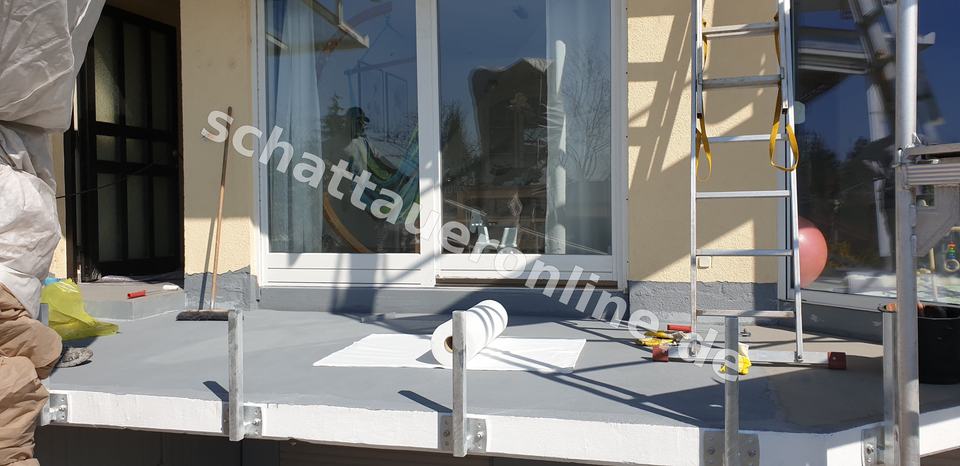
The seal is the protective layer against moisture. It must be routed continuously along doors, bases and edge areas.

Particular attention is paid to penetrations and connection heights - this is where later problems arise first. The wear layer then determines its suitability for everyday use and appearance.

Short info: Note: Plan connection details early, do not improvise during execution.

Wear layer and surface

The wear layer determines the appearance, slip resistance and maintenance effort. It must fit the planned use.

Depending on your wishes, different structures and colors are possible without losing function.

Short info: A robust wear layer protects the seal and increases suitability for everyday use.

Details that determine the service life

Edge profiles, drains and door thresholds are crucial for durability. They must be integrated neatly.

Regular visual inspections help to resolve small abnormalities early.

Short info: Details are crucial: This shows whether a structure is really durable.

Practical knowledge: Clarify shift sequence before execution

A clean structure prevents later rework. Anyone who documents in advance speeds up the offer and execution.

Checklist for clients

  • Photograph the old structure and note the heights of thresholds/edge zones.
  • Check slopes, drainage and drainage points in advance.
  • Clearly define connection details on doors, railings and bases.
  • Record usage, load and appearance as the target image.

Common stumbling blocks in practice

  • Reworking old coverings without adhesion testing.
  • Connection details must only be defined on the construction site.
  • Planning drying times and system specifications too tight.

Frequently asked questions

Does the old covering always have to be removed?

Not always - it depends on the condition and liability of the inventory.

Can slopes be created later?

Yes, in many cases this is possible and often makes sense.

How long does a balcony structure last?

This depends on the surface, system and care - regular checks extend the service life.

Regional entrances for Mainz and Neuwied

If you would like to get straight into regional project planning, these pages lead to suitable performance and decision paths:

Next Steps

If you would like to classify your project, send us dimensions, photos and your target image. This will give you a quick, reliable initial assessment.

Helpful introductions

Direct contact: To the contact form or by phone at 0177-3727033.

Related guides