Guide | Schattauer Mainz & Neuwied

If the door threshold becomes a weak point: Plan connection details correctly

Leaks often occur at transitions between the balcony or terrace and the door system. The guide covers everything from weak points to installation heights and execution to follow-up inspection.

Area of ​​application

Mainz, Neuwied and the surrounding area

Proceed

Advice, on-site testing, clean system setup

Goal

Long-lasting, dense and easy-care surfaces
Short answer: Door connections require clear detailed planning, suitable installation heights and neat execution of the transitions so that moisture does not migrate into the interior.
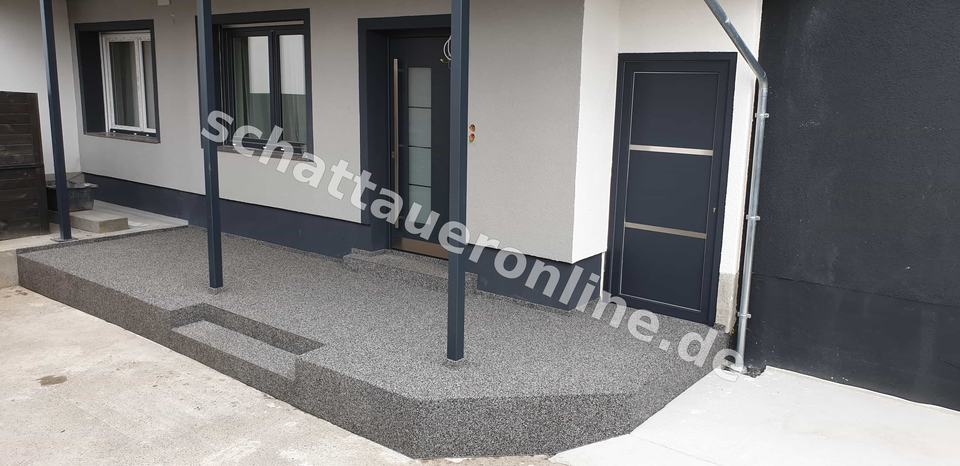
Reference from a Schattauer customer project: Terrace project with coordinated sealing, decorative surface and weather-resistant layer structure. Focus: When the doorstep becomes a weak point.
Practical recording from Schattauer from Mainz/Neuwied: When the doorstep becomes a weak point.
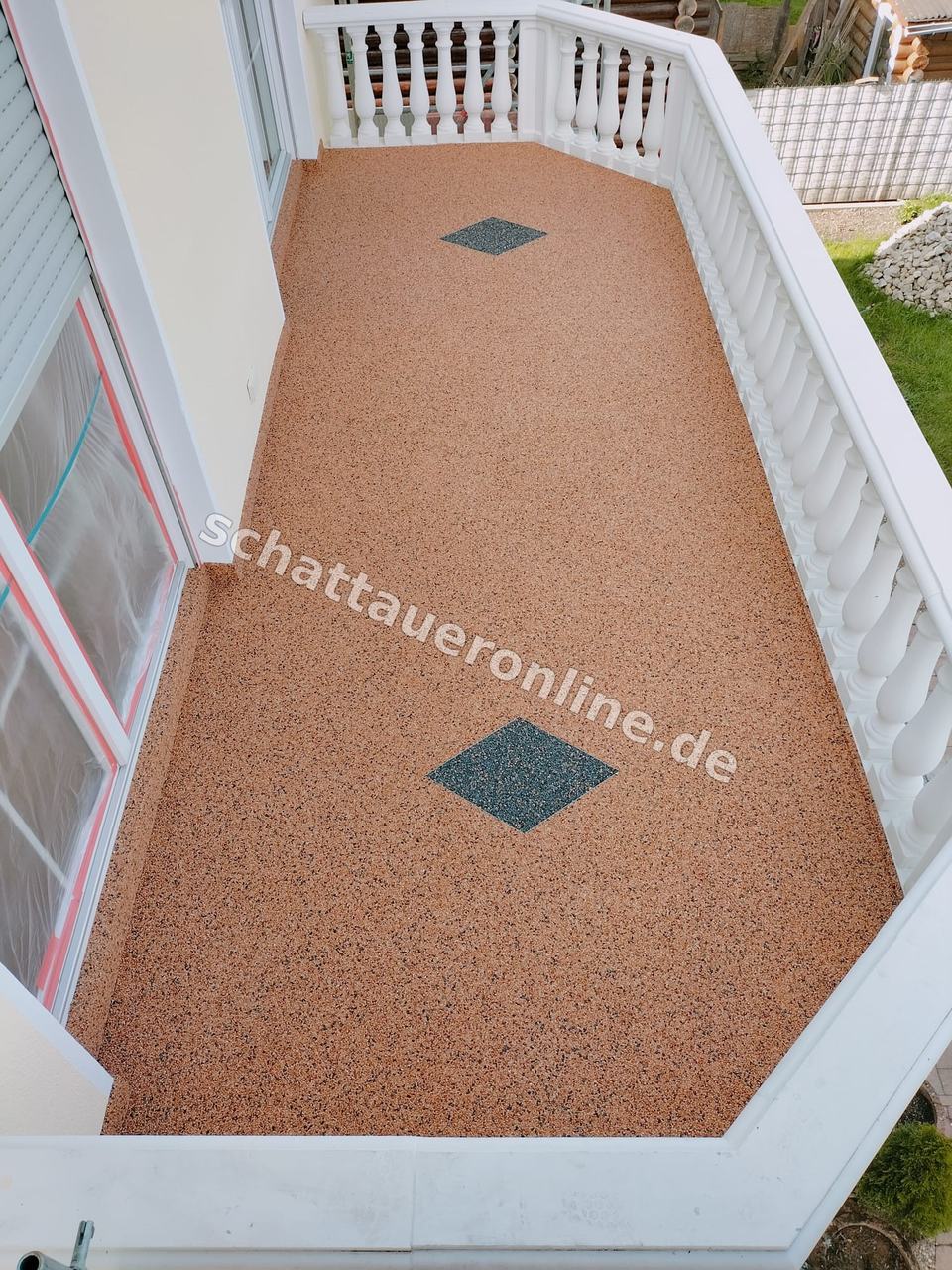
Real Schattauer project recording for When the balcony becomes leaky: Balcony area after renovation with new sealing structure, clean edge connections and resilient wear layer.
Documented recording from a Schattauer customer project: When the balcony leaks.

Why doorsteps in particular are often affected

Door thresholds connect different components with different movements, material properties and loads. This combination makes them particularly vulnerable.

If there is additional standing water or an unclear edge finish, the risk of moisture entry increases significantly. This makes the question of construction heights and water flow central.

Short info: Most leaks do not start in the open area, but at the transitions.

Arrange construction heights and water flow correctly

In order for connections to work, construction heights, water flow and drainage must be considered together. Individual detailed decisions without an overall view often lead to subsequent problems.

A resilient structure takes into account the level of use, door situation and long-term exposure to rain and frost. This makes the execution steps in the next section clear.

Short info: Always see connection details as a system - not as an isolated single point.

Execution steps with the highest impact

Before sealing, substrate inspection, clean preparation and precise detailing on the connecting edges are crucial.

When it comes to execution, the most important thing is controlled layer transitions and continuous lines without interruptions.

Short info: Precise detailed work on the threshold usually saves the most expensive repairs.

Follow-up and early warning signs

After completion, the threshold and edge areas should be checked regularly for discoloration, signs of moisture and the smallest cracks.

Anomalies detected early can often be remedied locally before adjacent components are affected.

Short info: Regular detailed inspections are the best way to protect against future interior damage.

Practical knowledge: Door connections are detailed work, not a secondary position

Thresholds and transitions seem small, but they often determine the tightness and subsequent costs of the entire structure.

Checklist for clients

  • Check the door connection, edge finish and drainage as a coherent detail.
  • Evaluate construction heights and water flow in the overall picture of the area.
  • Have critical transitions clearly identified in the offer before execution.
  • After completion, regularly check the edge areas for early signs of moisture.

Common stumbling blocks in practice

  • Only evaluate the visible area and neglect the threshold.
  • Connection details only need to be technically clarified during execution.
  • Interpreting early peripheral abnormalities as harmless.

Frequently asked questions

How do I recognize a connection problem on the doorstep?

Typical indications are moisture on the inner edge, discoloration and recurring edge tears.

Can only the connection area be renovated?

If there is local damage, often yes, provided the rest of the structure is technically intact.

Why is a visually attractive surface alone not enough?

Because the tightness is created at the transitions, not at the visible surface alone.

Regional entrances for Mainz and Neuwied

If you would like to get straight into regional project planning, these pages lead to suitable performance and decision paths:

Next Steps

If you would like to classify your project, send us dimensions, photos and your target image. This will give you a quick, reliable initial assessment.

Helpful introductions

Direct contact: To the contact form or by phone at 0177-3727033.

Related guides