Area of application
Mainz, Neuwied and the surrounding area

Guide | Schattauer Mainz & Neuwied
A lot of damage does not occur in the visible final covering, but rather due to inadequate preparation underneath. The guide organizes the steps: check load capacity, assess moisture, carry out preparatory work and check before construction.
Mainz, Neuwied and the surrounding area
Advice, on-site testing, clean system setup
Long-lasting, dense and easy-care surfaces
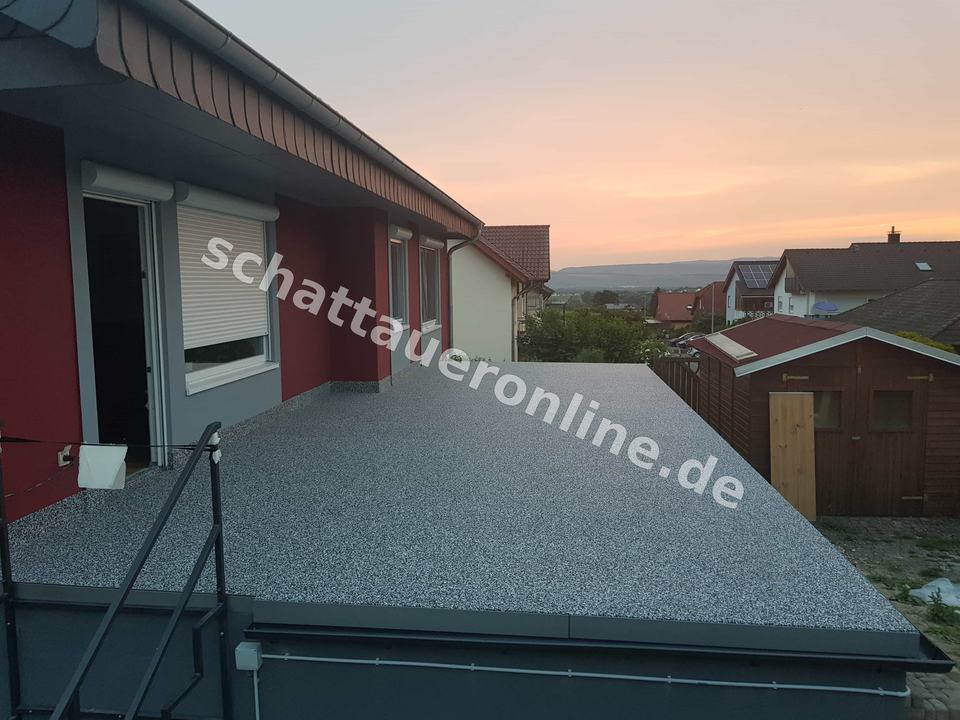
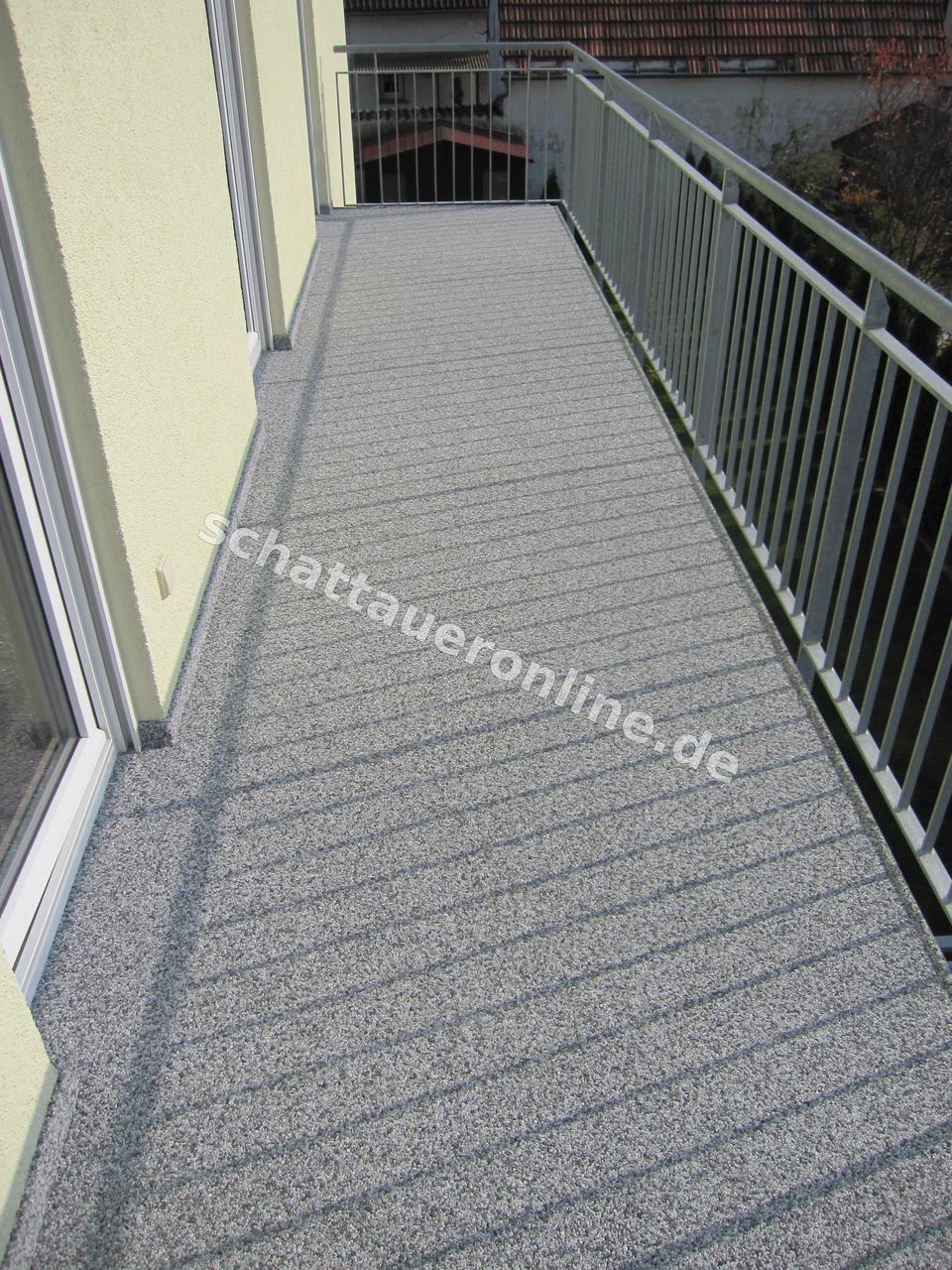
Before the new layer structure is built, it must be clarified which old materials are available and how resilient the existing material actually is.
Loose areas, old coating residues or unstable edge zones should not be covered over, but should be processed in a technically clean manner. This is followed by the moisture assessment.
Moisture in the structure influences adhesion, curing and long-term stability. That's why moisture assessment is part of every serious preliminary test.
Especially in the case of existing properties with previous damage, it is worth having a clear classification before the material and process are determined. This allows preparatory work to be planned in a targeted manner.
The core steps include cleaning, leveling preparatory work, stabilizing critical areas and preparing connections.
Clean detail preparation on edges, doors and transitions significantly reduces later weak points. This is followed by quality assurance before construction.
Before sealing begins, the condition of the substrate, preliminary work and edge details should be checked together again.
This interim check often saves rework because problems are identified before the actual system job.
The substrate is not a secondary step, but the static and functional basis of every seal.
Because it determines the adhesion, tightness and service life of the entire system.
Only if the existing structure is technically suitable and sufficiently stable.
Clearly documented test steps and comprehensible preparatory work before layer construction.
If you would like to get straight into regional project planning, these pages lead to suitable performance and decision paths:
If you would like to classify your project, send us dimensions, photos and your target image. This will give you a quick, reliable initial assessment.