Guide | Schattauer Mainz & Neuwied

Correctly check the substrate and moisture: the basis of every seal

Much damage begins invisibly underground. The guide takes you from the first indications of moisture through the evaluation to the next steps in the construction.

Area of ​​application

Mainz, Neuwied and the surrounding area

Proceed

Advice, on-site testing, clean system setup

Goal

Long-lasting, dense and easy-care surfaces
Short answer: Only a stable and sufficiently dry subsurface ensures long-term sealing. Visual and moisture inspections are therefore always included.
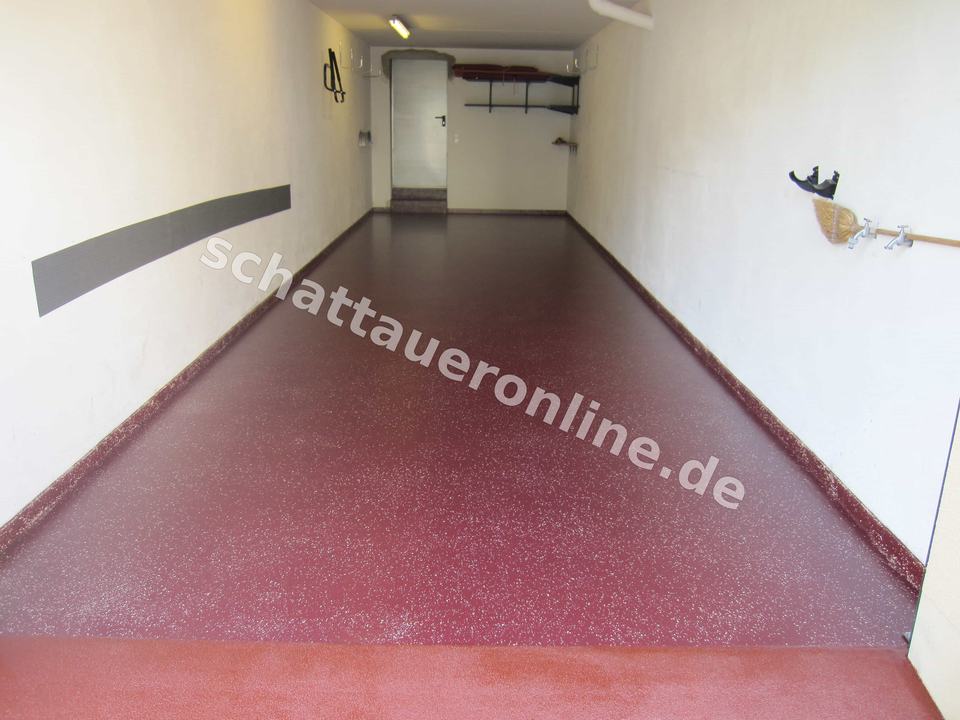
Correctly check the real Schattauer project recording of the substrate and moisture: garage or basement floor with a hard-wearing coating for high loads and easy cleaning.
Practical recording from Schattauer from Mainz/Neuwied: Check the substrate and moisture correctly.
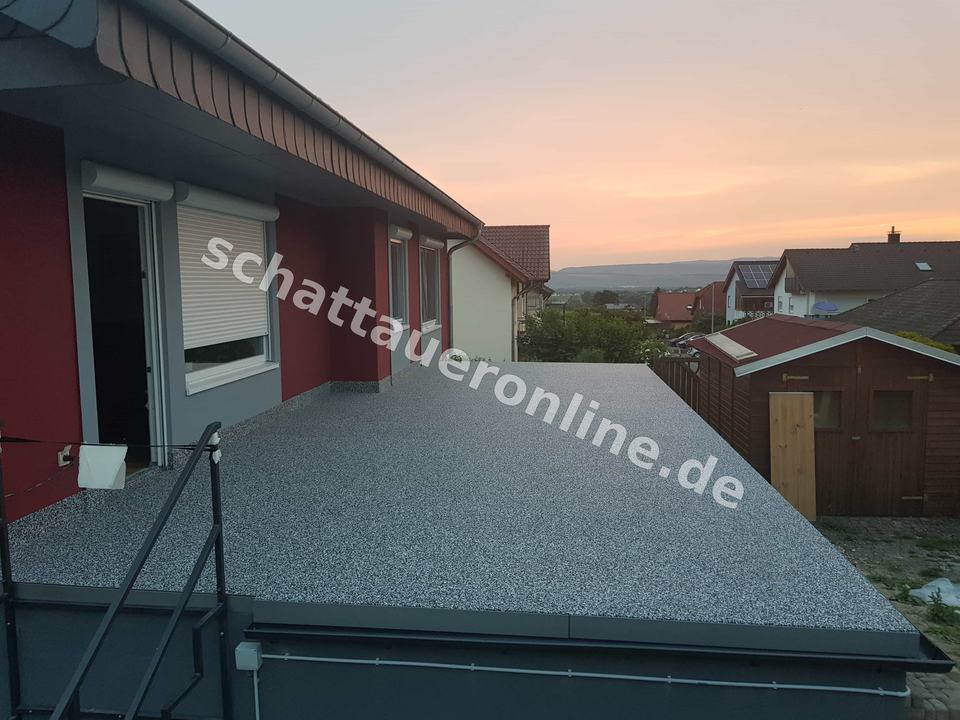
Terrace project with coordinated sealing, decorative surface and weather-resistant layer structure - documented by Schattauer for substrate preparation.
Practical recording from Schattauer from Mainz/Neuwied: underground preparation.

Why moisture testing is crucial

Moisture in the subsurface is one of the most common causes of subsequent damage. It influences adhesion, layer structure and service life.

Even small amounts of residual moisture can affect the system's effectiveness if it is not detected. This results in the typical information in the next section.

Short info: Short conclusion: A healthy subsurface is the prerequisite for any sealing.

Typical indications of problems

Efflorescence, discoloration, odors or hollow-sounding areas indicate moisture or a lack of adhesion.

A visual inspection alone is not always enough - the assessment should be classified on a technical basis.

Short info: Note: Always photograph and document any abnormalities.

Assessment and decision

The assessment includes condition, load-bearing capacity and moisture situation. This determines the structure, choice of materials and drying times.

A transparent offer mentions these points so that decisions remain comprehensible.

Short info: Clear fundamentals reduce later additional costs.

Practice: this way the structure remains stable

In addition to the test, proper preparation is important: cleaning, adhesion and edge details must be correct.

This creates a basis on which the seal and wear layer will last in the long term.

Short info: Preparation is the actual quality work.

Practical knowledge: Check the moisture and the surface cleanly

A resilient seal begins with clarity about moisture, adhesion and load-bearing capacity.

Checklist for clients

  • Document any abnormalities such as discoloration, odors or efflorescence.
  • Identify hollow spots and loose areas through visual and knock testing.
  • Record moisture assessment in the offer as a basis for decision-making.
  • Assess detail zones and edge areas separately.

Common stumbling blocks in practice

  • Ignore signs of moisture and only look at the surface.
  • To shorten the underground test in order to start faster.
  • Determine the layer structure before the inventory is clarified.

Frequently asked questions

Can you still seal when there is moisture?

Only if the moisture is technically assessed and the structure is tailored to it.

Is a visual inspection enough?

It is important, but does not replace a professional assessment of moisture and adhesion.

Why is documentation useful?

Because it later forms the basis for decisions and follow-up care.

Regional entrances for Mainz and Neuwied

If you would like to get straight into regional project planning, these pages lead to suitable performance and decision paths:

Next Steps

If you would like to classify your project, send us dimensions, photos and your target image. This will give you a quick, reliable initial assessment.

Helpful introductions

Direct contact: To the contact form or by phone at 0177-3727033.

Related guides