Guide | Schattauer Mainz & Neuwied

Renovating old buildings without surprises: Plan the waterproofing in the existing building in a structured manner

In old buildings, the subsurface, layer structure and damage patterns often differ greatly. The guide starts with the inventory analysis, leads to the choice of system and ends with interfaces and documentation.

Area of ​​application

Mainz, Neuwied and the surrounding area

Proceed

Advice, on-site testing, clean system setup

Goal

Long-lasting, dense and easy-care surfaces
Short answer: In old buildings, the order is decisive: first classify the existing building technically, then adapt the system structure and details to the real building situation.
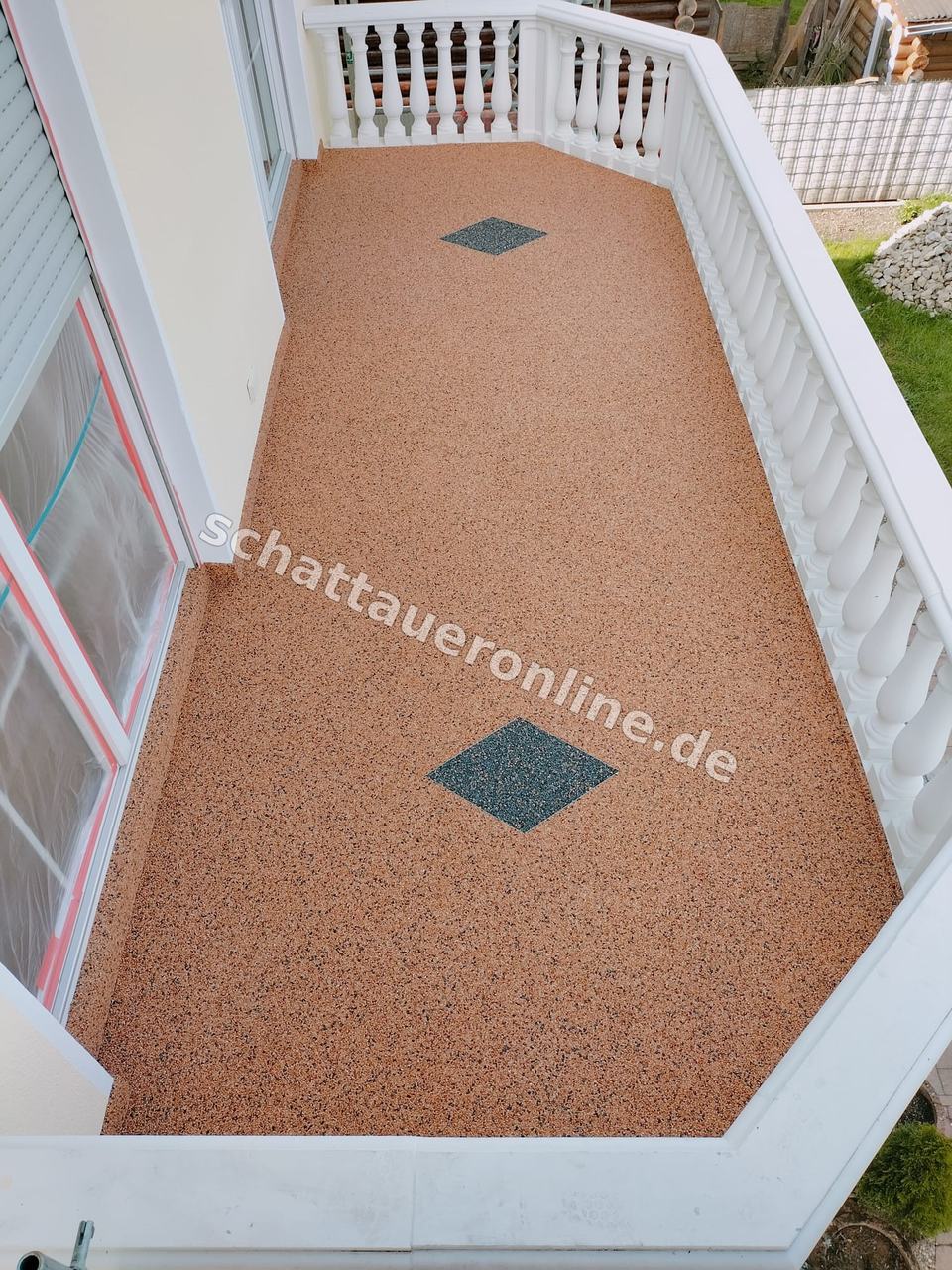
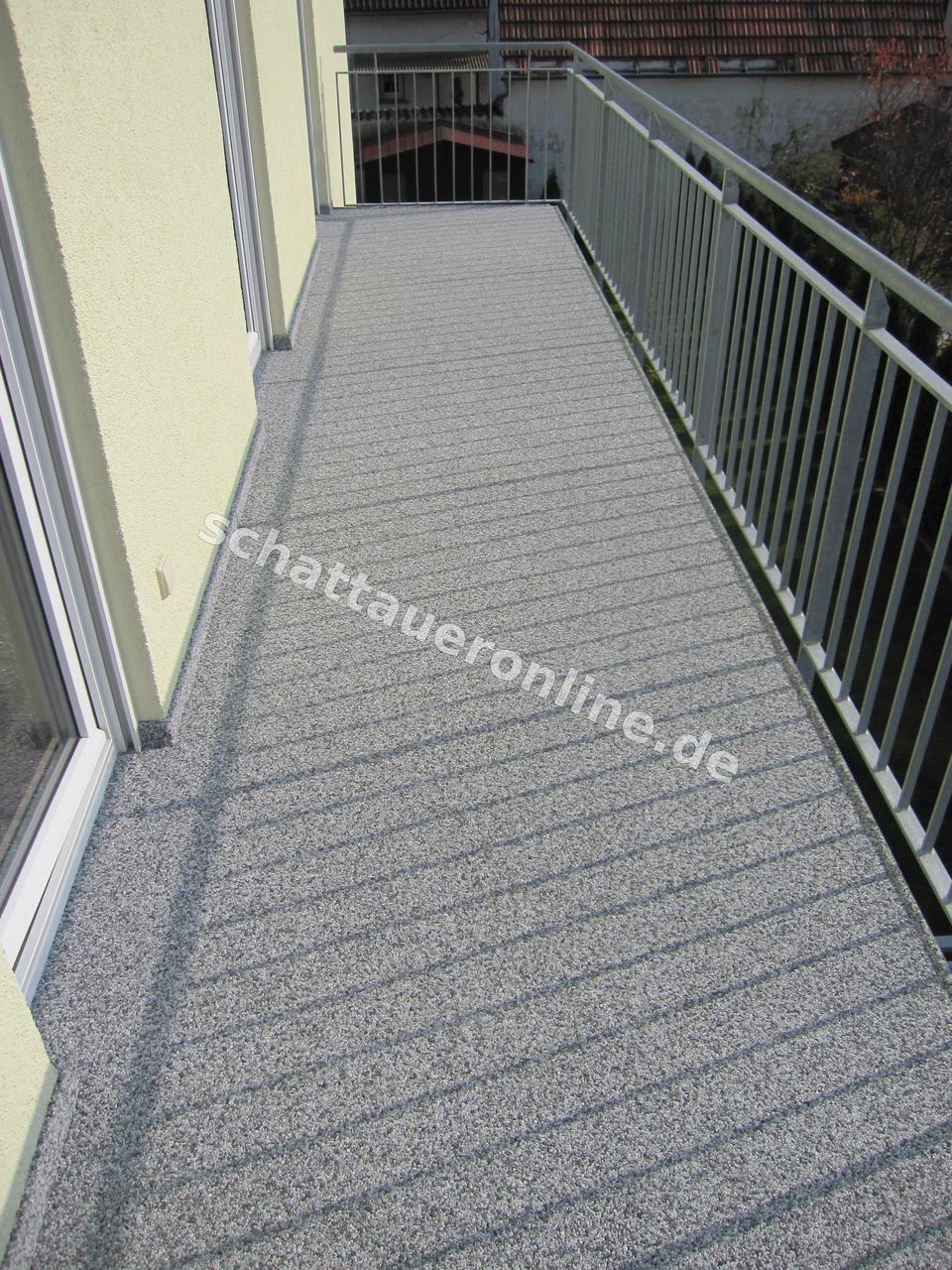
Project photo from Schattauer: Balcony area after renovation with new sealing structure, clean edge connections and resilient wear layer. Topic: Renovating old buildings without surprises.
Documented recording from a Schattauer customer project: renovation of an old building without surprises.
Real Schattauer project recording for When the balcony becomes leaky: Balcony area after renovation with new sealing structure, clean edge connections and resilient wear layer.
Documented recording from a Schattauer customer project: When the balcony leaks.

Why the inventory needs to be read first

In old buildings, several renovation stages often come together. Preparatory work from previous years, subsequent adjustments and different materials must be clearly recorded before execution.

Edge zones, connections and hidden transitions are particularly important. This is exactly where consequential damage often occurs later if the inventory has not been fully assessed. These findings guide the system selection in the next step.

Short info: Practical tip: Clean photo documentation of the detailed zones significantly improves planning and later offer clarity.

System choice between substance protection and use

The right sealing solution depends not only on the visible area, but also on the load-bearing capacity, moisture pattern and desired use.

This avoids combining technically unsuitable layers. This increases durability and reduces later corrections. If the structure and use are clear, the interfaces come into focus.

Short info: Practical conclusion: In old buildings, clean adaptation counts more than standard schemes.

Interfaces to windows, bases and other trades

In practice, old building projects rarely fail because of the area, but rather because of interfaces. Door connections, base areas and transitions to adjacent components must be coordinated early on.

If several trades are involved, a clear order with defined responsibilities helps. This prevents gaps in the execution and keeps the later documentation comprehensible.

Short info: The more clearly the interfaces are described, the more reliable the process and scheduling become.

Documentation and follow-up support in the inventory

Documented implementation is particularly valuable in old buildings: it makes services understandable and makes later maintenance or additions easier.

With regular visual inspection, small abnormalities can be detected early, before they migrate into the substance.

Short info: Documentation is not a bureaucratic issue, but rather part of quality assurance in the inventory.

Practical knowledge: In old buildings, the existing logic decides

Renovating old buildings can be achieved reliably if not only the visible area, but also hidden transitions and previous structural conditions are systematically evaluated.

Checklist for clients

  • Document existing layers and previous repair areas separately before the start of the project.
  • Record critical transitions on the door, base and edge as separate test points.
  • Technically coordinate interfaces to adjacent trades in advance.
  • Compare usage requirements and desired appearance with the real inventory limits.

Common stumbling blocks in practice

  • Assessing the inventory structure too broadly and only clarifying detailed areas during execution.
  • Compare offers only based on the final price instead of based on the services described in the inventory.
  • Documentation and aftercare in old buildings should be treated as optional.

Frequently asked questions

Is renovating old buildings always more expensive than building new ones?

Not across the board. The effort depends primarily on the actual inventory and the detailed zones.

Can parts of an old building be renovated step by step?

Yes, if the interfaces are carefully planned and technically correctly connected.

Why is an on-site inspection particularly important in old buildings?

Because hidden old structures and previous repairs can greatly influence the new system structure.

Regional entrances for Mainz and Neuwied

If you would like to get straight into regional project planning, these pages lead to suitable performance and decision paths:

Next Steps

If you would like to classify your project, send us dimensions, photos and your target image. This will give you a quick, reliable initial assessment.

Helpful introductions

Direct contact: To the contact form or by phone at 0177-3727033.

Related guides