Guide | Schattauer Mainz & Neuwied

If water remains standing: plan drainage and gradients correctly

Permanently dense areas need a functioning water supply. The guide starts with warning signs, goes through slope planning and ends with detailed zones and maintenance.

Area of ​​application

Mainz, Neuwied and the surrounding area

Proceed

Advice, on-site testing, clean system setup

Goal

Long-lasting, dense and easy-care surfaces
Short answer: The more reliably water is drained away, the lower the risk of premature damage to the sealing, edge zones and adjacent building structure.
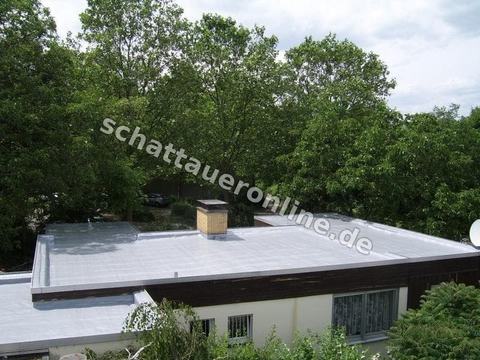
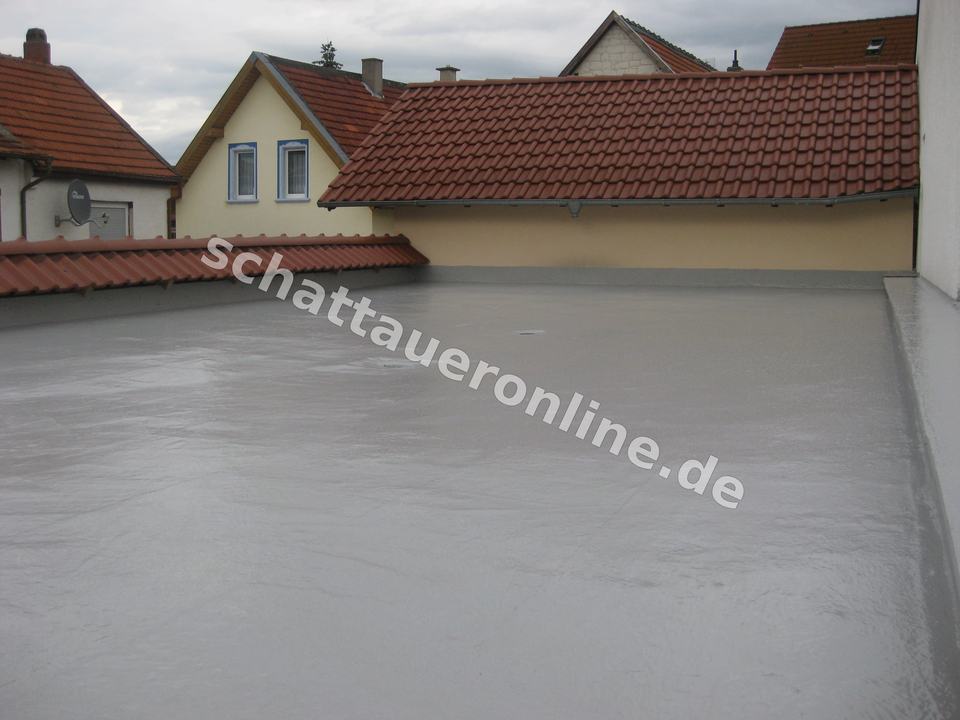
Project photo from Schattauer: Flat roof area with system-appropriate sealing, controlled drainage and carefully worked out details. Topic: When water remains standing.
Documented recording from a Schattauer customer project: When water remains standing.
Flat roof surface with system-appropriate sealing, controlled drainage and carefully worked out details - documented by Schattauer for flat roof sealing without weak points.
Original project photo from Schattauer on the topic of flat roof sealing without weak points.

Warning sign of insufficient water supply

Standing water, dark moisture zones and recurring edge discoloration are typical indications of impaired drainage.

If you take these signals seriously early on, you can often limit consequential damage with significantly less effort. They show where planning needs to start.

Short info: Visible note: If water regularly remains standing after precipitation, the area should be technically inspected.

Slope planning with a view to inventory and use

When planning, it's not just a theoretical value that counts, but rather the actual drainage situation on site. Inventory, connections and usage must be considered together.

Particularly when renovating existing buildings, it is important to check which adjustments to the structure are necessary so that water drains away reliably. This allows critical detailed zones to be specifically prepared.

Short info: Good slope planning is always object-related and takes critical detailed zones into account at an early stage.

Critical detail zones: processes, edge areas, transitions

Drains, valleys, door connections and edge trims are the critical points of water flow. Errors in these areas have a disproportionate impact on the service life.

A neat detailed design makes the difference between a short-term solution and a permanently resilient surface.

Short info: Rule of thumb: The large area is rarely the problem; details determine durability.

Maintenance without activism

In many cases, regular visual inspection of drainage points is sufficient to identify risks early. A quick check is particularly worthwhile after heavy rain and leaf periods.

Through planned maintenance, the area remains stable and major repairs become less frequent.

Short info: Small checks at fixed intervals are more economical than infrequent major repairs.

Practical knowledge: Water flow is a lever for durability

A lot of consequential damage occurs when drainage and slopes are only checked mathematically instead of practically. The real water flow on the property is crucial.

Checklist for clients

  • Observe the area for precipitation and document the drying time.
  • Check processes, edge zones and critical transitions separately.
  • Take leaves and dirt into account during maintenance intervals.
  • When renovating, clarify whether the existing structure and the desired structure fit together in the long term.

Common stumbling blocks in practice

  • Standing water is seen as a purely visual problem.
  • Transferring expiry points into the inventory without functional testing.
  • Planning gradients only as a numerical value instead of as a usage-related practical requirement.

Frequently asked questions

Can drainage be improved without a complete renovation?

Depending on the inventory, yes. Critical detail points can often be optimized in a targeted manner.

What role does gradient play on balconies and terraces?

A central role because water flow directly determines the risk of damage and service life.

How often should processes be checked?

At least seasonally and also after heavy rain or heavy foliage.

Regional entrances for Mainz and Neuwied

If you would like to get straight into regional project planning, these pages lead to suitable performance and decision paths:

Next Steps

If you would like to classify your project, send us dimensions, photos and your target image. This will give you a quick, reliable initial assessment.

Helpful introductions

Direct contact: To the contact form or by phone at 0177-3727033.

Related guides