Guide | Schattauer Mainz & Neuwied

If the water is standing: react correctly in heavy rain

Heavy rain and clogged drains can cause significant damage in a short period of time. The guide covers everything from the initial response to critical zones and root cause analysis to prevention.

Area of ​​application

Mainz, Neuwied and the surrounding area

Proceed

Advice, on-site testing, clean system setup

Goal

Long-lasting, dense and easy-care surfaces
Short answer: In the event of a water blockage, first determine the cause, check the drainage points and document the damage - then initiate targeted technical measures.
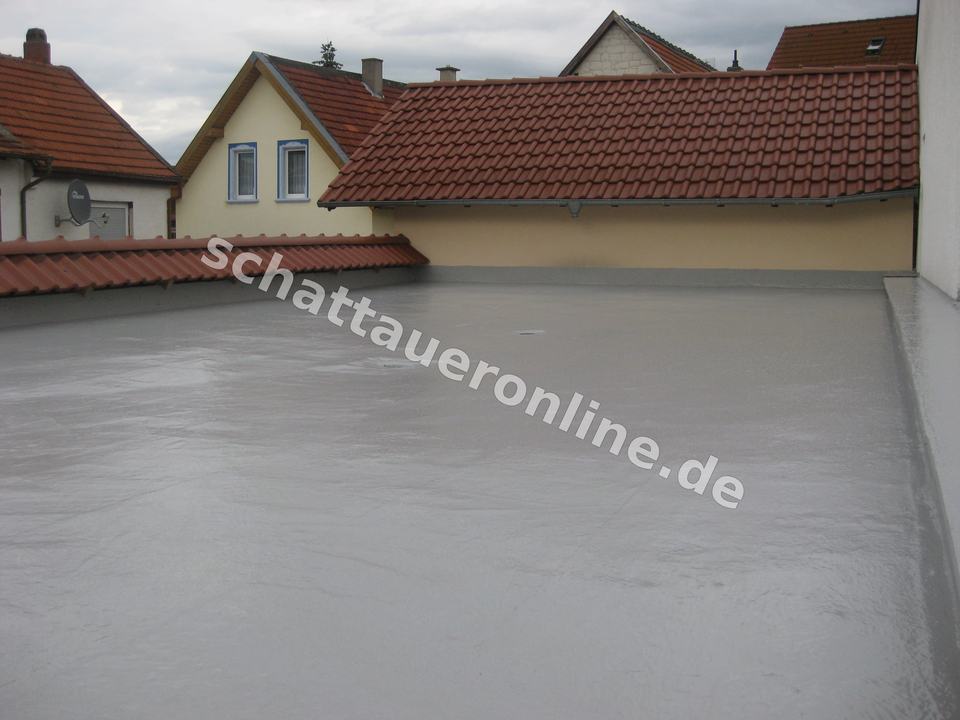
Flat roof surface with system-appropriate sealing, controlled drainage and carefully worked out details - documented by Schattauer for When the Water Stands.
Practical recording from Schattauer from Mainz/Neuwied: When the water is standing.
Project photo from Schattauer: Flat roof area with system-appropriate sealing, controlled drainage and carefully worked out details. Topic: When water remains standing.
Documented recording from a Schattauer customer project: When water remains standing.

Initial reaction to acute water retention

If there is a visible blockage, drain points and inlets should be checked promptly and blocking dirt carefully removed.

At the same time, it is important to document the process: where the water is, for how long and at which detailed points it remains. This makes it clear which zones will be checked next.

Short info: Act immediately, but in a structured manner: first secure, then document, then technically evaluate.

Which zones need special attention now

Door connections, edge trims, upstands and transitions to adjacent components are particularly critical.

Small leaks caused by heavy rain can quickly escalate into significant consequential damage. These information guide the root cause analysis in the next step.

Short info: After heavy rain, always check the detailed areas first - not just the middle of the area.

From symptom to cause

One-off water backups can be caused by short-term pollution, while recurring backups often indicate structural problems with slopes or drainage.

The permanent solution only comes from analyzing the causes, not from simply treating the symptoms. In this way, appropriate preventive measures can be derived.

Short info: Repetition is the signal for systemic action.

Prevention for the next weather situation

Regularly checking and cleaning drains before periods of heavy rain significantly reduces the risk of acute emergencies.

In addition, known weak points should be specifically addressed as part of planned maintenance.

Short info: Preventative process control is cheaper than emergency renovation under time pressure.

Practical knowledge: Heavy rain requires a clear emergency procedure

Acute weather conditions leave little time for improvisation. A defined process reduces damage and makes it easier to clarify the cause later.

Checklist for clients

  • If there is a water blockage, first check the drainage points and carefully remove any blockages.
  • Document damage zones in a comprehensible manner with photos and time information.
  • Check critical detail zones specifically after the event.
  • If there are repeated traffic jams, plan a technical root cause analysis.

Common stumbling blocks in practice

  • Water congestion can only be eliminated for a short period of time without examining the structural cause.
  • Detailed zones should not be inspected separately after heavy rain.
  • Allowing abnormalities to continue without documentation.

Frequently asked questions

What is the first step to take if there is water backup?

Check drain points, remove dirt and document the condition.

When is cleaning no longer enough?

If water build-up returns or moisture is already visible in critical detailed areas.

Does it need to be completely renovated immediately?

Not always - what matters is whether there is a local problem or a systemic deficiency.

Regional entrances for Mainz and Neuwied

If you would like to get straight into regional project planning, these pages lead to suitable performance and decision paths:

Next Steps

If you would like to classify your project, send us dimensions, photos and your target image. This will give you a quick, reliable initial assessment.

Helpful introductions

Direct contact: To the contact form or by phone at 0177-3727033.

Related guides