Guide | Schattauer Mainz & Neuwied

Recognizing the consequences of heavy rain: What is important after the event

After heavy rain, it's important to have a clear view of processes, edge zones and connections. The guide covers everything from immediate checks to typical consequential damage to documentation and prevention.

Area of ​​application

Mainz, Neuwied and the surrounding area
Proceed

Advice, on-site testing, clean system setup

Goal

Long-lasting, dense and easy-care surfaces
Short answer: After heavy rain, drains, edge zones and connection details should be checked and documented. If detected early, consequential damage can usually be kept to a minimum.
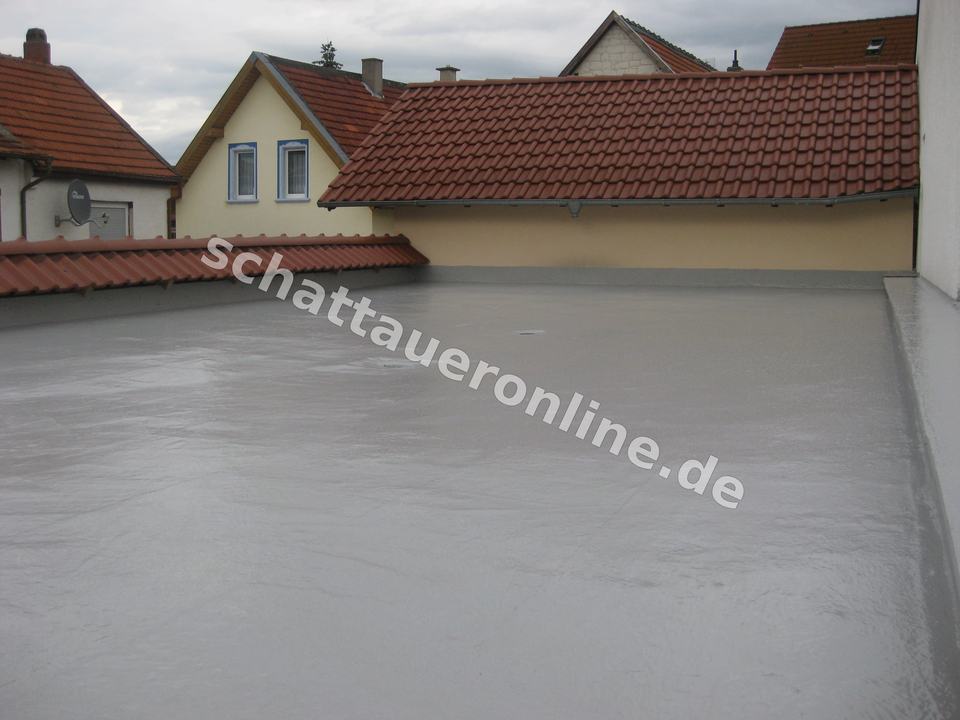
Reference from a Schattauer customer project: Flat roof surface with system-appropriate sealing, controlled drainage and carefully worked out details. Focus: Recognizing the consequences of heavy rain.
Documented recording from a Schattauer customer project: recognizing the consequences of heavy rain.
Flat roof surface with system-appropriate sealing, controlled drainage and carefully worked out details - documented by Schattauer for When the Water Stands.
Practical recording from Schattauer from Mainz/Neuwied: When the water is standing.

Immediate check after heavy rain

First, drains and water levels are checked. Standing water places a particularly high burden on seals.

Any abnormalities in edge areas, door connections and bases should be documented promptly. This makes it clear which consequential damage needs to be checked in the next step.

Short info: Quick test: Check the water level, drains and edge zones on the same day.

Typical consequential damage

Damage often occurs to connection details, transitions or older coverings with fine cracks.

Internal moisture zones can also only become apparent with a delay and should be kept in mind. These points belong in clean documentation.

Short info: Consequential damage almost always begins in detailed areas, not in the area.

Documentation makes the decision easier

Photos with the date and viewing direction help to identify later changes.

A short note about the weather conditions and water level makes the assessment much more reliable. In this way, preventive measures can be planned specifically.

Short info: Documentation saves time if inspection or repairs need to be made later.

Prevention for future events

Regular cleaning of the processes and short visual inspections significantly reduce the risk.

Where water often stands still, it is worth carrying out a technical check of the slope and drainage.

Short info: Prevention is cheaper than subsequent renovation.

Practical knowledge: React correctly after heavy rain

Quick visual inspection and documentation help to keep consequential damage to a minimum.

Checklist for clients

  • Check drains and water levels immediately.
  • Visually check edge details, door connections and transitions.
  • Document any abnormalities with dates and photos.
  • If water jams occur repeatedly, schedule a technical inspection.

Common stumbling blocks in practice

  • Eliminate water congestion without clarifying the cause.
  • Detailed zones do not need to be checked separately.
  • Documentation created too late or incomplete.

Frequently asked questions

Does it have to be renovated after every heavy rain?

No, but a short check and documentation makes sense.

How quickly does damage appear?

Some damage is visible immediately, others only after days or weeks.

What are the most common vulnerabilities?

Drains, edge details, door connections and transitions.

Regional entrances for Mainz and Neuwied

If you would like to get straight into regional project planning, these pages lead to suitable performance and decision paths:

Next Steps

If you would like to classify your project, send us dimensions, photos and your target image. This will give you a quick, reliable initial assessment.

Helpful introductions

Direct contact: To the contact form or by phone at 0177-3727033.

Related guides