Guide | Schattauer Mainz & Neuwied

New building waterproofing at a glance: plan the structure and details correctly

In new construction, many follow-up costs can be avoided if sealing, construction heights and detail zones are defined early on. The guide covers everything from construction planning to drainage to execution and control.

Area of ​​application

Mainz, Neuwied and the surrounding area

Proceed

Advice, on-site testing, clean system setup

Goal

Long-lasting, dense and easy-care surfaces
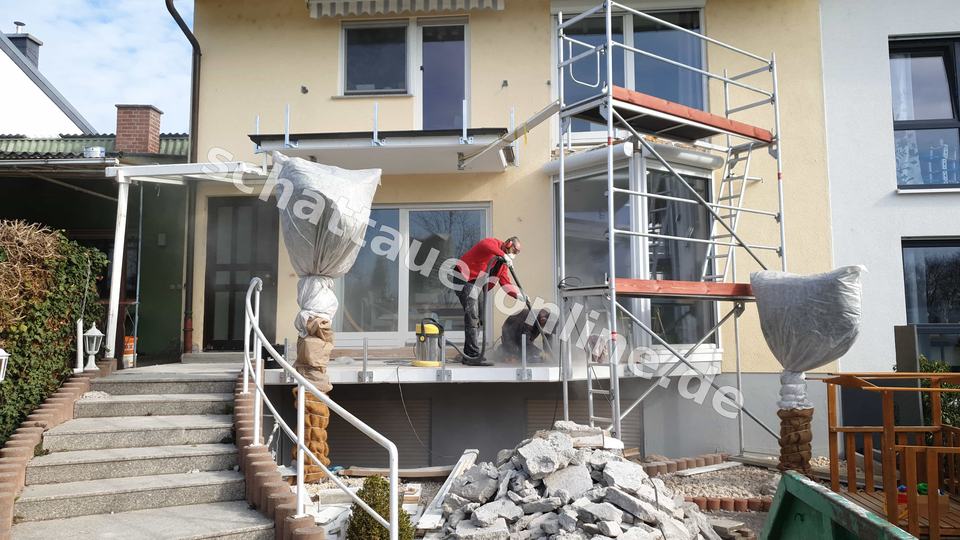
Short answer: Early planning is crucial in new buildings: structure, connections and drainage must be thought of together so that the sealing works permanently.
Reference from a Schattauer customer project: Terrace project with coordinated sealing, decorative surface and weather-resistant layer structure. Focus: New building waterproofing at a glance.
Practical recording from Schattauer from Mainz/Neuwied: New building waterproofing at a glance.
Reference from a Schattauer customer project: Terrace project with coordinated sealing, decorative surface and weather-resistant layer structure. Focus: Control interfaces cleanly.
Practical recording from Schattauer from Mainz/Neuwied: Clean interface control.

Determine the structure early: layer sequence and heights

In new buildings, it is worth planning the sequence of layers carefully from the start. In this way, later conflicts at door thresholds, edges and transitions can be avoided.

Clearly defined construction heights create planning security for all trades involved. This allows detailed zones to be clearly defined in the next step.

Short info: Principle: The earlier the construction heights are reached, the smoother the execution will run.

Clearly define detailed zones

Door connections, railing feet, bases and penetrations are the most sensitive areas. This is where most damage occurs when details remain unclear.

Anyone who plans detailed zones with clear system specifications reduces rework and interface problems.

Short info: Detailed zones belong in the planning, not just on the construction site.

Drainage and slopes

A functioning gradient is also mandatory in new buildings. Drainage and water flow must be planned so that no water remains standing.

Clean drainage extends the service life and reduces maintenance requirements.

Short info: The less water that remains, the lower the risk of damage.

Coordinate trade interfaces

Many trades come together in the new building. Clear interfaces ensure that seals, connections and coverings interlock technically cleanly.

A coordinated schedule reduces delays and maintains system reliability.

Short info: Coordination saves time: clear handovers are a quality factor.

Practical knowledge: Prepare new building construction properly

In new construction, the early definition of structure and details determines whether everything runs smoothly.

Checklist for clients

  • Determine the installation heights of doors, bases and edge trims early on.
  • Check slopes, drains and water flow in the overall plan.
  • Establish interfaces with other trades in writing.
  • Have the layer structure clearly stated in the offer.

Common stumbling blocks in practice

  • Detailed areas only need to be clarified during execution.
  • Slope and drainage should be treated as a secondary issue.
  • To accept unclear responsibilities between the trades.

Frequently asked questions

When should waterproofing be planned in a new building?

As early as possible - ideally before door heights and edge details have been determined.

Can details be corrected later?

Yes, but rework is often more complex and expensive than early planning.

What role does usage play?

Usage influences slip resistance, resilience and the appropriate structure of the wear layer.

Regional entrances for Mainz and Neuwied

If you would like to get straight into regional project planning, these pages lead to suitable performance and decision paths:

Next Steps

If you would like to classify your project, send us dimensions, photos and your target image. This will give you a quick, reliable initial assessment.

Helpful introductions

Direct contact: To the contact form or by phone at 0177-3727033.

Related guides