Guide | Schattauer Mainz & Neuwied

Control interfaces cleanly: so that sealing projects remain technically tight

Many defects do not arise in the material, but rather in unclear transitions between trades. The guide covers typical interfaces, roles and sequence through to documentation.

Area of ​​application

Mainz, Neuwied and the surrounding area

Proceed

Advice, on-site testing, clean system setup

Goal

Long-lasting, dense and easy-care surfaces
Short answer: If responsibilities, detailed points and sequence are clearly defined in advance, rework and deadline risks are significantly reduced.
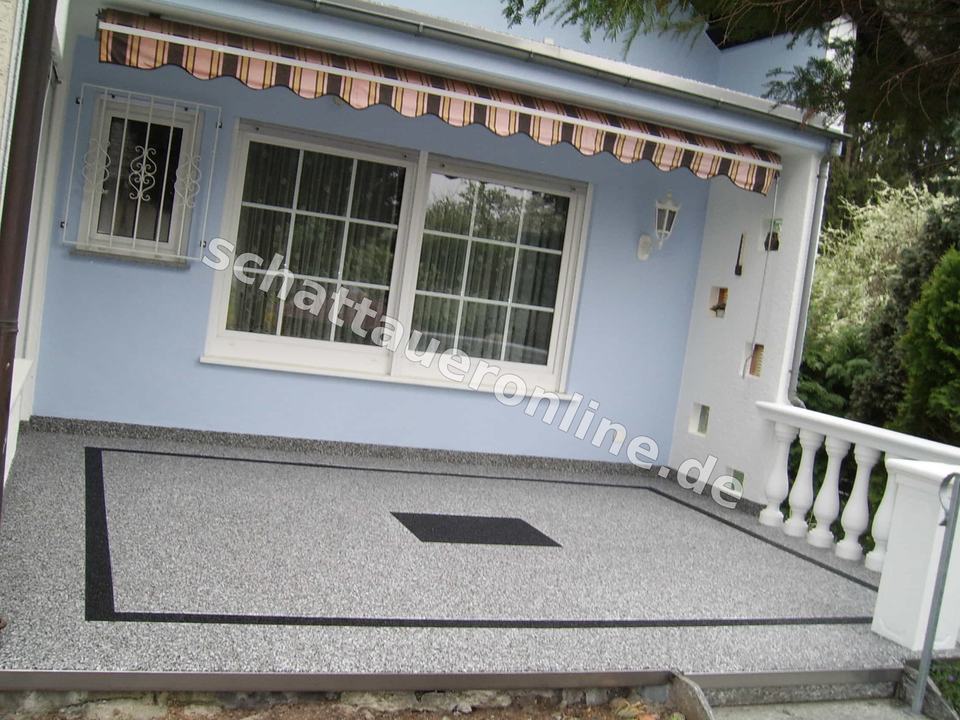
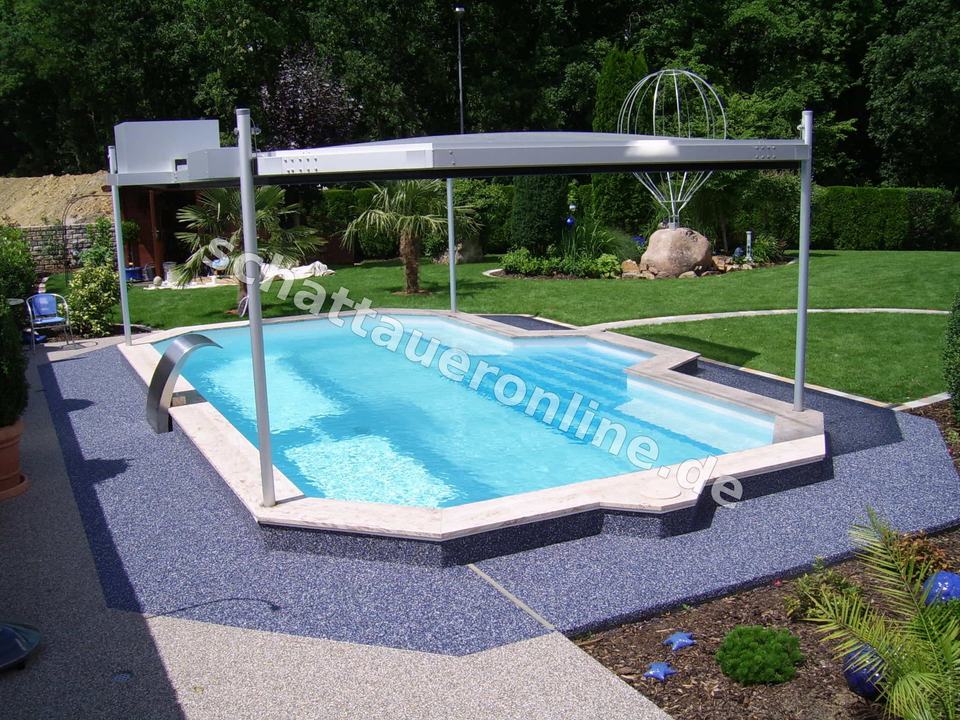
Reference from a Schattauer customer project: Terrace project with coordinated sealing, decorative surface and weather-resistant layer structure. Focus: Control interfaces cleanly.
Practical recording from Schattauer from Mainz/Neuwied: Clean interface control.
Real Schattauer project recording on This is how a waterproofing project works in a structured manner: Terrace project with coordinated waterproofing, decorative surface and weather-resistant layer structure.
Practical recording from Schattauer from Mainz/Neuwied: This is how a waterproofing project works in a structured manner.

Where interfaces most often cause problems

Transitions to door systems, railing attachments, base zones, drainage and adjacent facade work are critical.

Unclear responsibilities in these areas often lead to additions, delays or avoidable leakage problems. Therefore, the next step is to clearly clarify roles.

Short info: The more complex the details, the more important it is to have a written interface defined for each trade.

Clearly define roles and responsibilities

Even before execution begins, it should be clear who will provide which preliminary work, what tolerances apply and what dependencies exist.

This reduces points of contention during the construction process and improves quality assurance at the transitions. This makes the order in the next step resilient.

Short info: An interface plan often saves more time later than any spontaneous coordination on the construction site.

Schedule the order and appointment window carefully

Sealing systems require defined drying and protection phases. If these are interrupted by subsequent trades, the risk of damage increases.

A realistic schedule therefore takes releases, test times and weather-related buffers into account.

Short info: Appointment quality comes from clear handover points - not from maximum condensation in the calendar.

Documentation as a quality tool

Photo and protocol documentation for each interface makes decisions comprehensible and makes subsequent acceptance easier.

Documented handover is a key protection against misunderstandings, especially when there are several people involved.

Short info: Documentation is not a formalism, but rather the technical mnemonic of the project.

Practical knowledge: Interfaces determine the flow and tightness

Technically good systems lose their effectiveness if handovers between trades remain unclear. Clear interfaces create execution security.

Checklist for clients

  • Explicitly assign critical transitions (door, railing, base, drainage) for each trade.
  • Set the sequence, approvals and drying phases as a binding expiry point.
  • Secure handovers with photo documentation and short protocols.
  • Before the project starts, clarify which preliminary work must be completed.

Common stumbling blocks in practice

  • Postponing ambiguous responsibilities in detailed zones until the construction site.
  • Setting up schedules without technical buffers for approvals and drying.
  • Documenting transitions, but not establishing clear acceptance criteria.

Frequently asked questions

Why are interfaces so critical in sealing?

Because damage often occurs at transitions in which several trades are involved.

What goes into a good interface plan?

Responsibilities, sequence, tolerances, test times and clear handover criteria.

Is this effort worth it even for smaller projects?

Yes, small projects in particular benefit from clear responsibilities and avoid expensive rework.

Regional entrances for Mainz and Neuwied

If you would like to get straight into regional project planning, these pages lead to suitable performance and decision paths:

Next Steps

If you would like to classify your project, send us dimensions, photos and your target image. This will give you a quick, reliable initial assessment.

Helpful introductions

Direct contact: To the contact form or by phone at 0177-3727033.

Related guides