Guide | Schattauer Mainz & Neuwied

Movement joints and connection details: this is where most damage occurs

The surface is rarely the problem - critical areas are joints, edges and transitions. The guide leads from the causes through typical zones to execution and control.

Area of ​​application

Mainz, Neuwied and the surrounding area
Proceed

Advice, on-site testing, clean system setup

Goal

Long-lasting, dense and easy-care surfaces
Short answer: Joints and connections absorb movements. If they are planned or executed incorrectly, water will penetrate - even if the surface is intact.
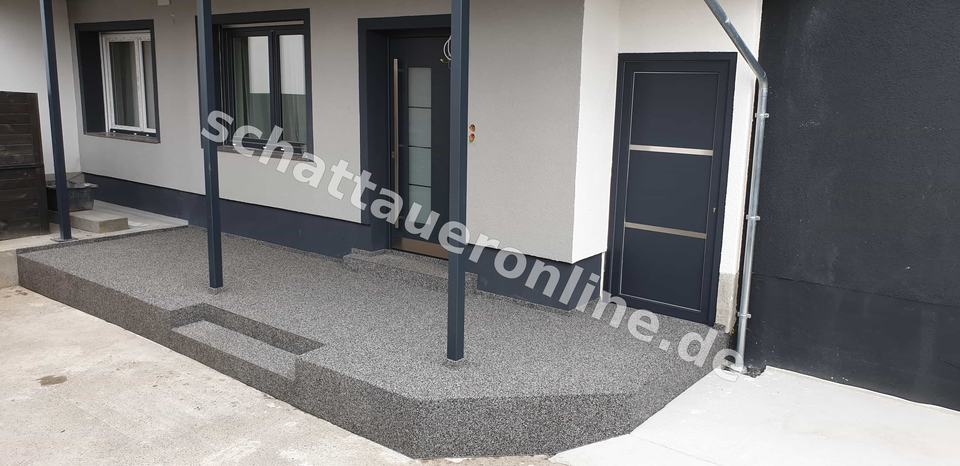
Real Schattauer project recording of movement joints and connection details: Terrace project with coordinated sealing, decorative surface and weather-resistant layer structure.
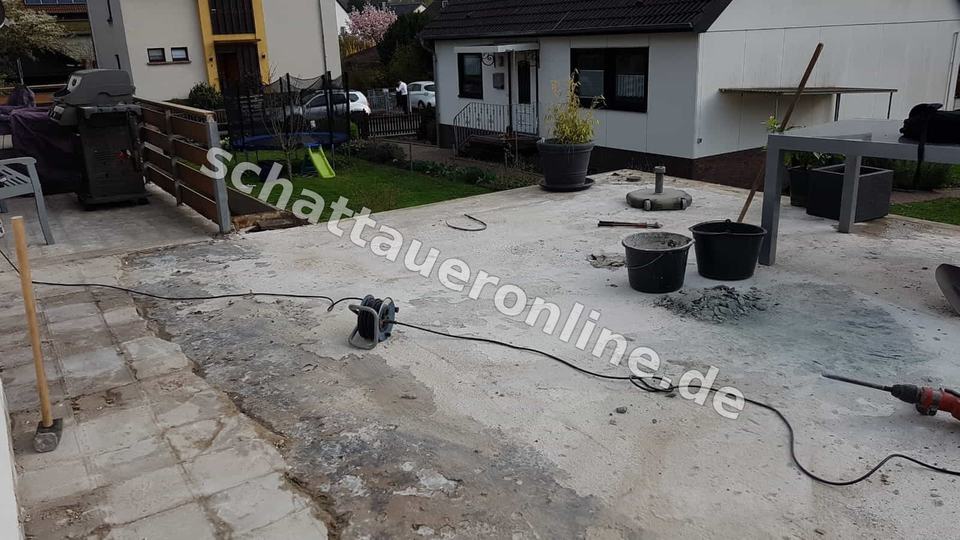
Practical recording from Schattauer from Mainz/Neuwied: Movement joints and connection details.
Reference from a Schattauer customer project: Terrace project with coordinated sealing, decorative surface and weather-resistant layer structure. Focus: When the doorstep becomes a weak point.
Practical recording from Schattauer from Mainz/Neuwied: When the doorstep becomes a weak point.

Why joints and connections are so crucial

Components work based on temperature, humidity and usage. Movement joints and connection details should accommodate these movements.

If these zones are formed incorrectly, cracks and leaks usually first appear at the transitions. This determines which zones are in focus.

Short info: Most damage begins at the edge, not the center of the area.

Typical high-risk connection zones

Transitions to doors, railing feet, bases, upstands and penetrations are critical.

Edge profiles and connections to adjacent components must also be planned according to the system. This makes execution central in the next step.

Short info: Transitions are always one of the most important test points in inventory analysis.

Detailed execution: cleanly planned, cleanly implemented

A long-lasting design requires clear detailed planning: heights, water flow, sealing routing and connection profiles.

In practice, controlled shift transitions and consistent lines are crucial.

Short info: Clean details are the best protection against subsequent costs.

Control and follow-up care

Regular visual inspection helps to identify small abnormalities early and to correct them locally.

Edge zones should be checked, especially after winter periods or heavy rain.

Short info: Early control prevents major interventions.

Practical knowledge: Keep an eye on connection details

Joints and connections are sensitive areas - precise testing is particularly worthwhile here.

Checklist for clients

  • Check edge zones and transitions specifically for cracks and discoloration.
  • Document construction heights on thresholds, bases and railing feet.
  • Have connection profiles explicitly named in the offer.
  • Plan for a quick visual inspection after winter and heavy rain.

Common stumbling blocks in practice

  • Treat details as a secondary item and only clarify them at the end.
  • Only reworking joints visually instead of making them technically correct.
  • Ignoring small anomalies at the edges for too long.

Frequently asked questions

Can you simply paint over joints?

No, joints must be formed correctly from a technical point of view, otherwise they will crack again.

How do I recognize a weak connection point?

Discoloration, edge cracks or signs of moisture are typical warning signals.

Does the railing have to be removed for renovation?

That depends on the system and the detailed training - a targeted adjustment is often enough.

Regional entrances for Mainz and Neuwied

If you would like to get straight into regional project planning, these pages lead to suitable performance and decision paths:

Next Steps

If you would like to classify your project, send us dimensions, photos and your target image. This will give you a quick, reliable initial assessment.

Helpful introductions

Direct contact: To the contact form or by phone at 0177-3727033.

Related guides