Guide | Schattauer Mainz & Neuwied

Sealing the base connection: Detail zone with a big impact

The base connection decides whether moisture migrates into the wall or is permanently kept away. The guide covers risk zones, construction heights and details through to inspection.

Area of ​​application

Mainz, Neuwied and the surrounding area

Proceed

Advice, on-site testing, clean system setup

Goal

Long-lasting, dense and easy-care surfaces
Short answer: The base needs clear heights, tight transitions and a clean water flow - this keeps the house wall dry.
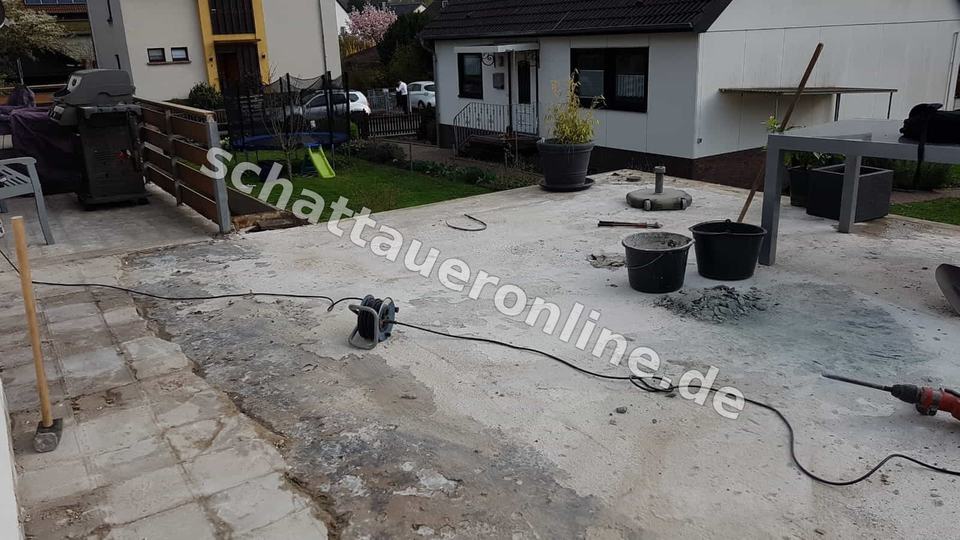
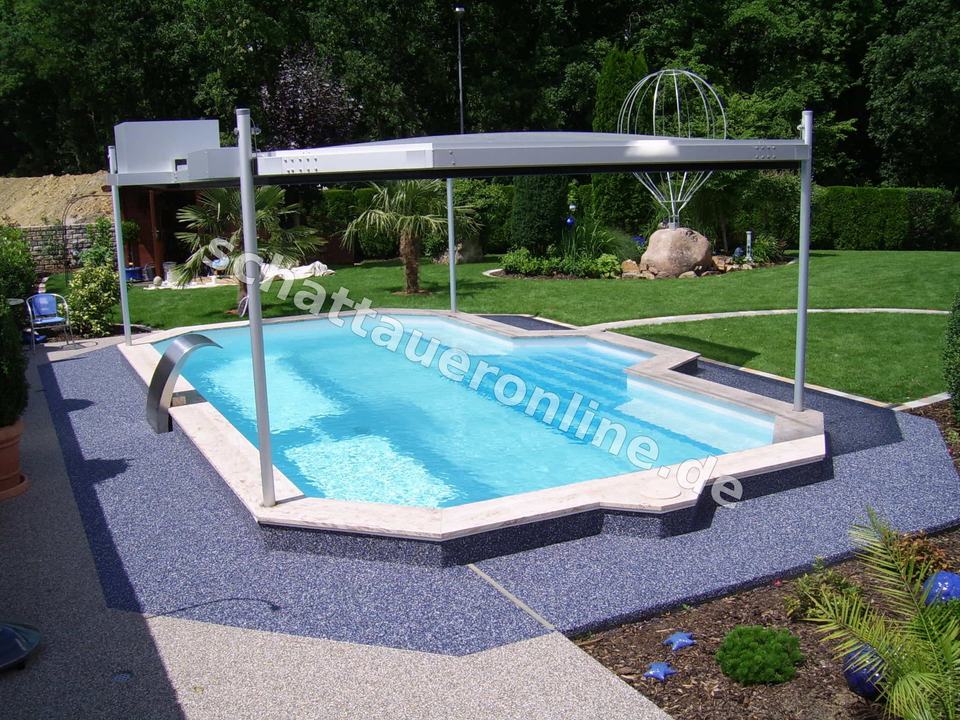
Reference from a Schattauer customer project: Terrace project with coordinated sealing, decorative surface and weather-resistant layer structure. Focus: Sealing the base connection.
Original project photo from Schattauer on the subject of sealing base connections.
Real Schattauer project recording of movement joints and connection details: Terrace project with coordinated sealing, decorative surface and weather-resistant layer structure.
Practical recording from Schattauer from Mainz/Neuwied: Movement joints and connection details.

Why socket connections are so critical

Water finds its way into transitions. Socket connections are precisely such transitions and are therefore particularly vulnerable.

Mistakes at this point quickly lead to moisture penetration, flaking and subsequent damage. That’s why clear installation heights are crucial in the next step.

Short info: Practical conclusion: Small base zone, big consequences for errors.

Building heights and watercourse

Installation heights must be planned so that splashing water and standing water do not penetrate the base.

A clean watercourse and clear transitions significantly increase durability.

Short info: The cleaner the height planning, the lower the risk.

Detailed training at the transition

Edge profiles, connection strips and sealing guides must be integrated into the system.

Detailed inspection is particularly crucial for old buildings because existing structures are often unclear.

Short info: Details matter, not just the area.

Control and follow-up care

Base areas should be checked regularly, especially after heavy rain and periods of frost.

Reacting early to small anomalies prevents major damage.

Short info: Follow-up care is the best protection against follow-up costs.

Practical knowledge: Clearly define the base connection

Base and wall connections appear small, but they determine the tightness.

Checklist for clients

  • Document construction heights and water flow on the house wall.
  • Have the base connection, edge profile and connection strips clearly named in the offer.
  • Check transitions to doors and railings separately.
  • Plan a seasonal visual inspection of the base zone.

Common stumbling blocks in practice

  • Connection details only need to be clarified at the construction site.
  • Treating peripheral zones as an ancillary service.
  • Base areas should be neglected when checking.

Frequently asked questions

Why does damage often occur on the base?

Because transitions and splash water place particular strain on the seal there.

Can base connections be improved later?

Yes, but proper planning is significantly more economical.

How often should the base be checked?

At least seasonally and after strong weather events.

Regional entrances for Mainz and Neuwied

If you would like to get straight into regional project planning, these pages lead to suitable performance and decision paths:

Next Steps

If you would like to classify your project, send us dimensions, photos and your target image. This will give you a quick, reliable initial assessment.

Helpful introductions

Direct contact: To the contact form or by phone at 0177-3727033.

Related guides