Area of application
Mainz, Neuwied and the surrounding area

Guide | Schattauer Mainz & Neuwied
Winter and transitional periods place a particularly high burden on outdoor surfaces. The guide goes from warning signs to immediate measures to the appropriate renovation strategy and prevention.
Mainz, Neuwied and the surrounding area
Advice, on-site testing, clean system setup
Long-lasting, dense and easy-care surfaces
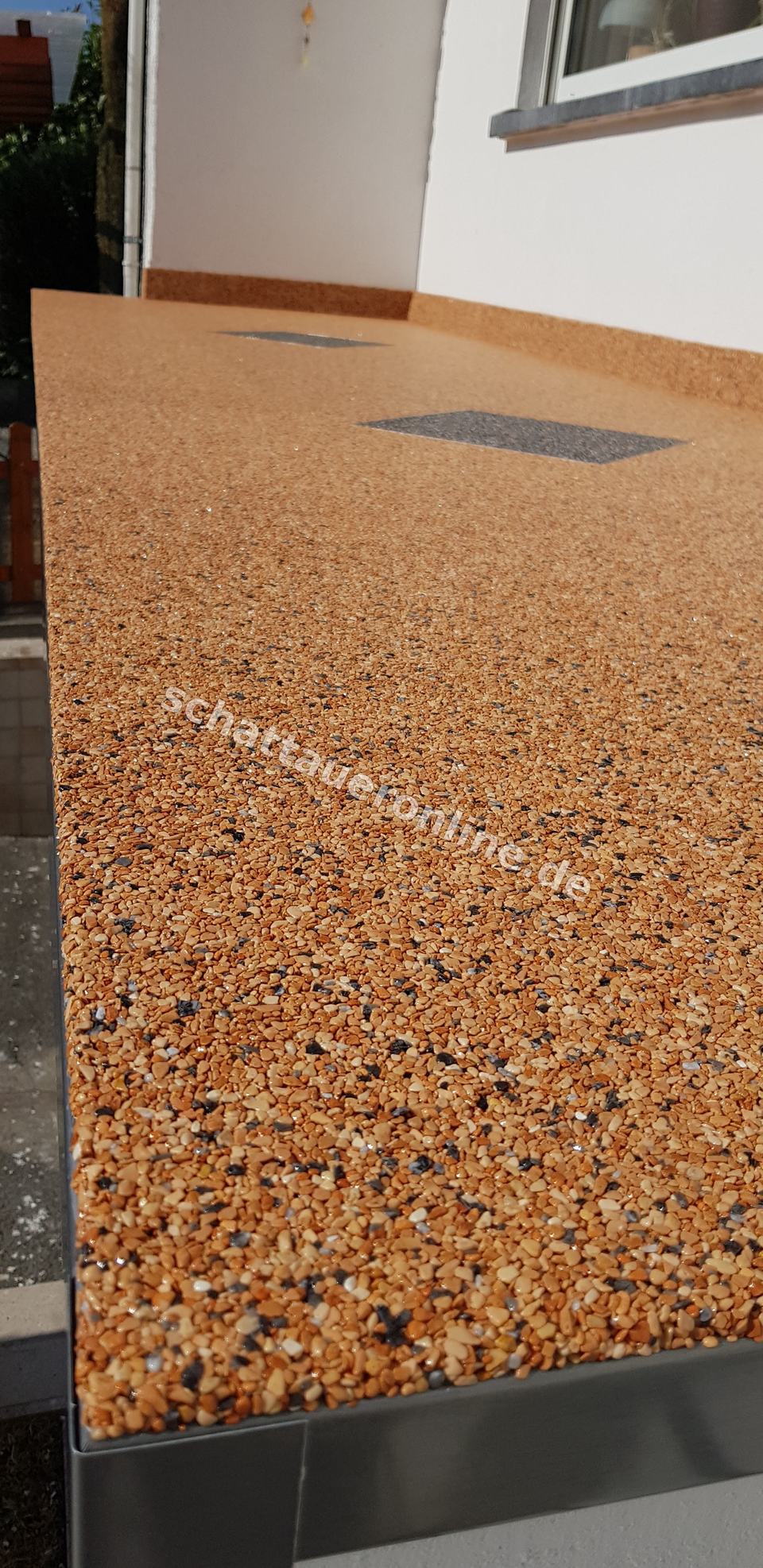
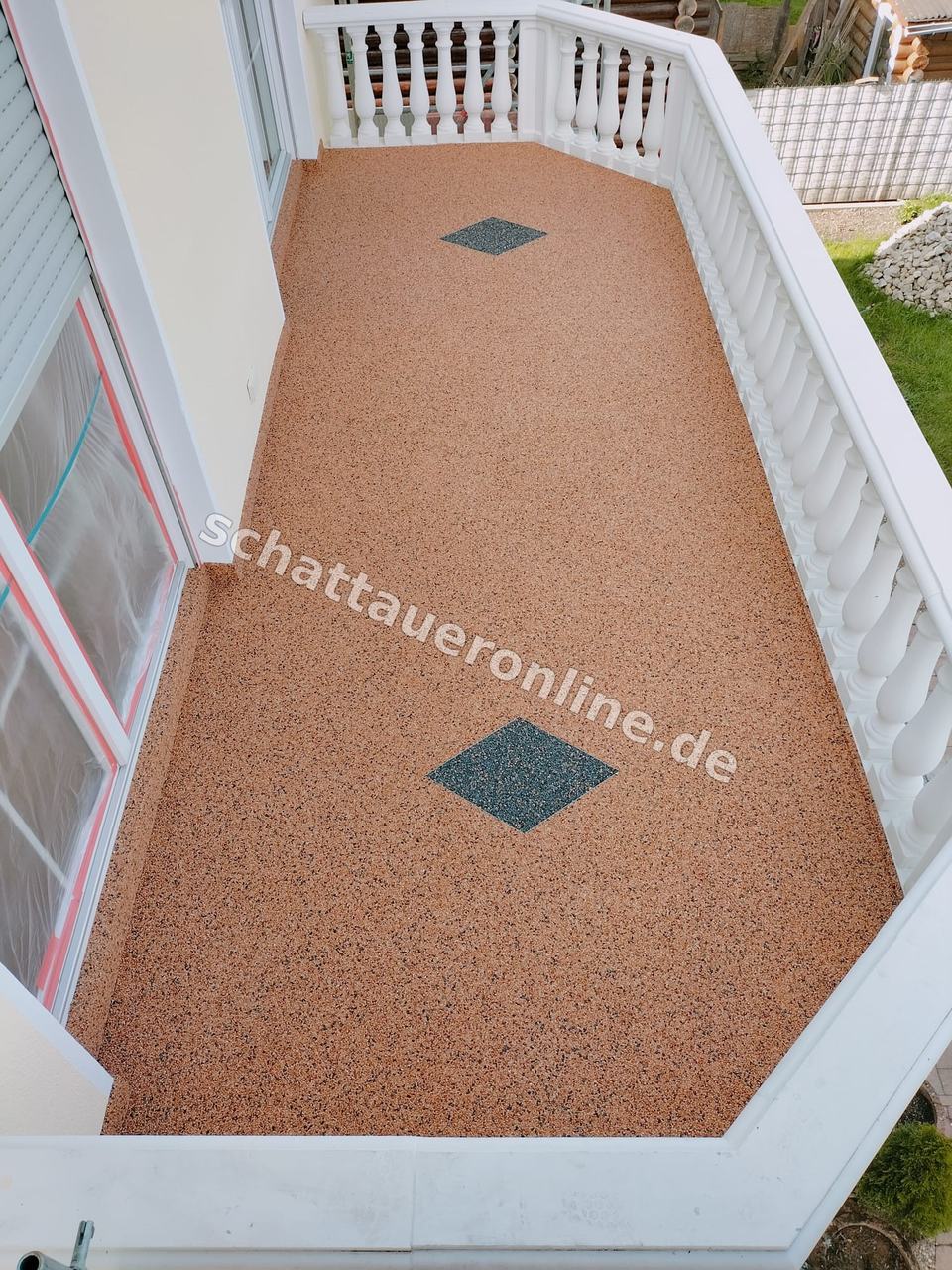
Spalling, new micro-cracks, hollow-sounding areas or edge zones that have been moist for a long time are common indications of stressed build-up zones.
Particular attention should be paid to transitions at door connections, bases and drainage points. If these signs occur, structured immediate measures are required.
Abnormalities should be documented photographically promptly and their development monitored. Temporary devices should only be used if they make technical sense.
It is important to clarify the cause instead of just superficially concealing visible symptoms. This makes the restructuring process understandable in the next step.
If the damage is clearly limited, a partial repair may be sufficient. If there are recurring signs of moisture or multiple points of damage, a more comprehensive structure often makes more sense.
The decision should be based on inventory condition, quality of detail and expected use.
Regular inspection of edge connections, slopes and drainage significantly reduces the risk of new frost damage.
Fixing small problems before winter is usually cheaper than major spring repairs.
Winter stress hits the detailed areas first. Those who check early can often counteract it with smaller measures.
Immediately after the thaw and again after the first heavy rainfall.
An initial visual inspection makes sense, but the technical cause should be assessed professionally.
Through functioning drainage, intact connections and regular detailed checks.
If you would like to get straight into regional project planning, these pages lead to suitable performance and decision paths:
If you would like to classify your project, send us dimensions, photos and your target image. This will give you a quick, reliable initial assessment.