Guide | Schattauer Mainz & Neuwied

Detecting cracks and hollow spots: before minor damage becomes expensive

Fine cracks or hollow-sounding areas are often early warning signs. The guide covers everything from the causes to testing, remediation and timing.

Area of ​​application

Mainz, Neuwied and the surrounding area

Proceed

Advice, on-site testing, clean system setup

Goal

Long-lasting, dense and easy-care surfaces
Short answer: Cracks and hollow spots are usually caused by movement, moisture or unsuitable layers. Early inspection often enables local renovation instead of complete construction.
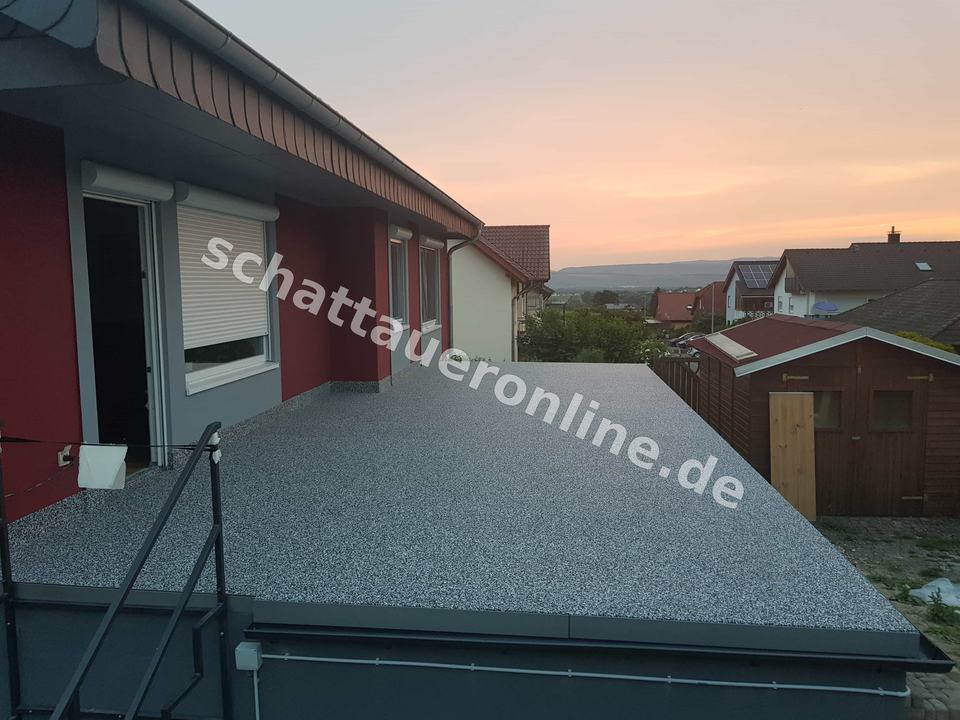
Reference from a Schattauer customer project: Terrace project with coordinated sealing, decorative surface and weather-resistant layer structure. Focus: Detecting cracks and hollow spots.
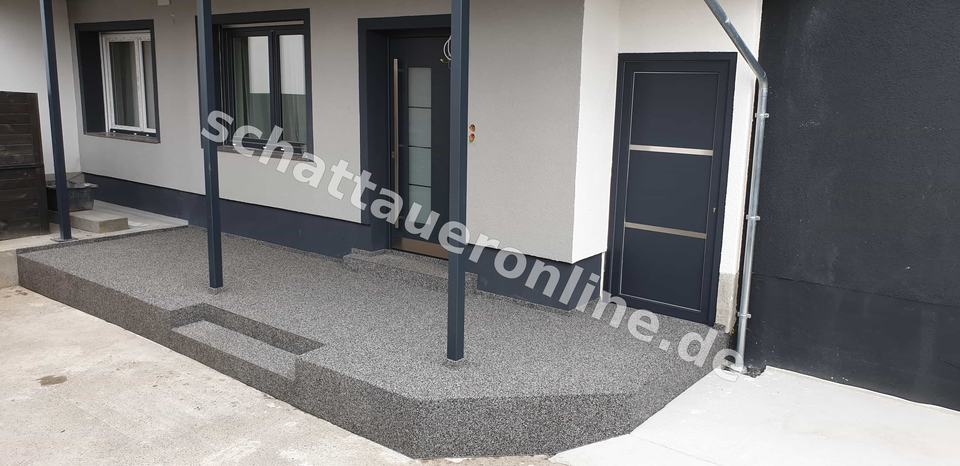
Documented recording from a Schattauer customer project: detecting cracks and hollow spots.
Terrace project with coordinated sealing, decorative surface and weather-resistant layer structure - documented by Schattauer for substrate preparation.
Practical recording from Schattauer from Mainz/Neuwied: underground preparation.

Why cracks and hollow spots arise

Typical causes are temperature fluctuations, underground movements and mismatched layer structures. Moisture in the substrate can also weaken adhesion and stability.

Hollow spots often arise when the connection to the subsurface is not continuous or older layers have already come loose. This determines which test steps make sense in the next section.

Short info: Attention: If a covering comes loose, water penetrates the structure more quickly.

This is how it is tested: visual, knock test, moisture

Visual inspection shows cracks, discoloration and damp zones. The tap test helps to locate hollow spots.

A targeted test clarifies whether only the surface is affected or whether deeper layers are unstable. This results in the appropriate renovation strategy.

Short info: Note: Photos with scale speed up the initial assessment.

Renovation: repair locally or renew the structure?

Minor damage can often be repaired locally if the subsurface remains stable. In the case of large hollow areas, systematic rebuilding makes sense.

It is important to carry out detailed work on connections and edges - this is where consequential damage occurs first. It is then worth looking at timing and cost factors.

Short info: Local repairs are only permanent if the overall system is technically correct.

Timing and cost factors

The effort depends on the area, extent of damage and detailed zones. Early measures usually keep costs significantly lower.

Planning and execution should take into account weather-stable time windows so that layers can dry in a controlled manner.

Short info: Quick tip: Act early to reduce follow-up work and protect the building structure.

Practical knowledge: Document cracks correctly before they grow

Clear documentation helps distinguish between minor surface damage and systemic problems.

Checklist for clients

  • Photograph the course of the crack and add a scale to the picture.
  • Carry out a knock test and mark hollow-sounding zones.
  • Check moisture signs on edge areas and connections separately.
  • Note the time and weather conditions of the first occurrence.

Common stumbling blocks in practice

  • To close cracks cosmetically without examining the cause.
  • Ignore hollow spots until the surface visibly gives way.
  • To repair only the surface and leave edge details untouched.

Frequently asked questions

Does every crack need to be repaired immediately?

Not every fine crack is acute, but it should be checked and documented.

Can hollow spaces be easily reworked?

Only if the subsurface is stable - otherwise the affected structure must be removed.

How quickly can minor damage be repaired?

Often in a few days, depending on access, weather and level of detail.

Regional entrances for Mainz and Neuwied

If you would like to get straight into regional project planning, these pages lead to suitable performance and decision paths:

Next Steps

If you would like to classify your project, send us dimensions, photos and your target image. This will give you a quick, reliable initial assessment.

Helpful introductions

Direct contact: To the contact form or by phone at 0177-3727033.

Related guides