Guide | Schattauer Mainz & Neuwied

Renovation options in comparison: choose the right balcony and terrace

Sometimes local intervention is enough, sometimes rebuilding is the cleaner solution. The guide takes you from the variants through partial repairs and revisions to new construction.

Area of ​​application

Mainz, Neuwied and the surrounding area
Proceed

Advice, on-site testing, clean system setup

Goal

Long-lasting, dense and easy-care surfaces
Short answer: Partial repair is only worthwhile if there is local damage, and reworking is only worthwhile if the old surface is stable. If there is moisture or hollow spots, a new structure is usually the better choice.
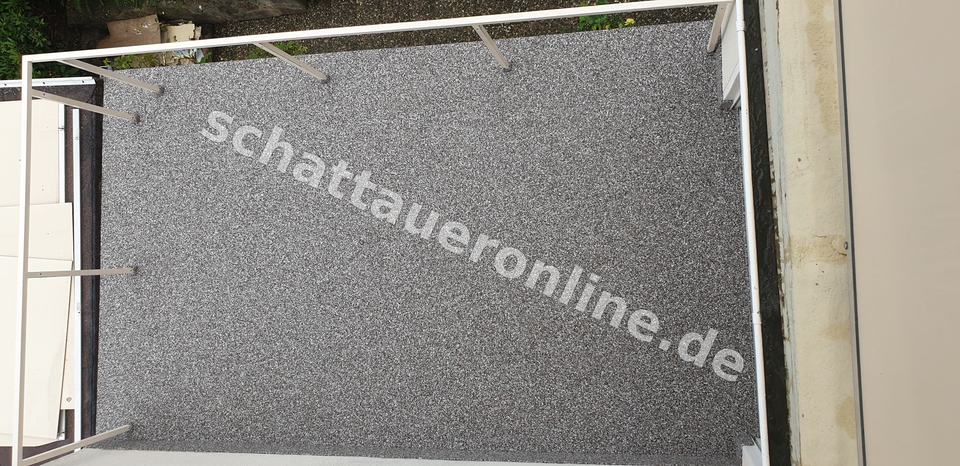
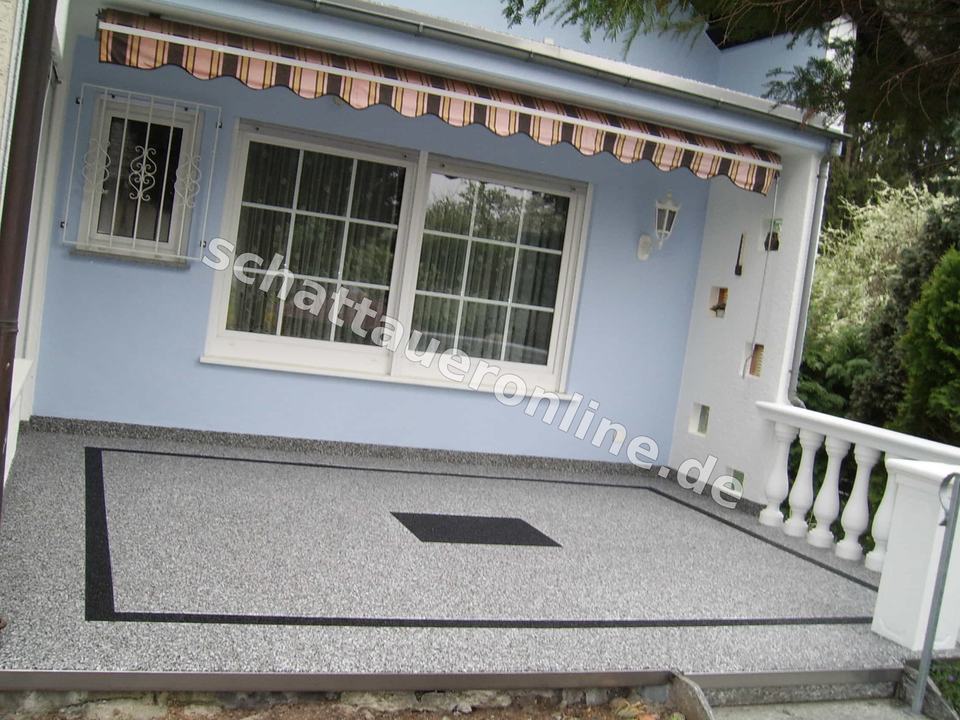
Real Schattauer project recording of renovation variants in comparison: Terrace project with coordinated sealing, decorative surface and weather-resistant layer structure.
Practical recording from Schattauer from Mainz/Neuwied: Comparison of renovation options.
Project photo from Schattauer: Balcony area after renovation with new sealing structure, clean edge connections and resilient wear layer. Topic: Partial repair or complete renovation.
Documented recording from a Schattauer customer project: partial repair or complete renovation.

What variants there are

In practice, the variants range from local repairs to revisions to complete rebuilding. Each variant has clear application limits.

What is important is the condition of the subsurface and the detailed zones, not just the visible surface. This makes the partial repair tangible in the next step.

Short info: Key message: The variant follows the existing situation, not the desired image.

Partial repair: useful for local damage

Local repairs can work if the ground is stable and damage is clearly limited.

Cracks or open details must be integrated technically cleanly, otherwise they will quickly return. If the old covering is stable, the next step is to rework it.

Short info: Partial repair saves time when the damage is truly local.

Overhaul: only if the old surface is stable

Reworking is possible if the old covering adheres firmly, is dry and does not show any hollow spots.

Adhesive bridges, clean preparation and clear edge details are crucial. If the existing structure is uncertain, rebuilding remains the safe option.

Short info: Without a stable basis, revision quickly becomes an expensive interim solution.

Reconstruction: when inventory is uncertain

If there is moisture, hollow spots or severe cracks, a new construction is the technically safe solution.

It enables corrections to gradients, connections and drainage that cannot otherwise be solved cleanly.

Short info: Rebuilding is often the longest-lasting and most economical decision.

Practical knowledge: choose a renovation option safely

The variant results from the condition and detailed zones - clear examination prevents wrong decisions.

Checklist for clients

  • Document the damage with photos and a rough demarcation of the area.
  • Check the old covering for adhesion, hollow spots and moisture.
  • Assess detailed zones (door, edge, drains) separately.
  • Have variants clearly stated in the offer (partial repair, revision, new construction).

Common stumbling blocks in practice

  • Judging only the surface and ignoring the underground.
  • Choosing partial repair even though there is systemic damage.
  • Comparing offers without a clear description of the variants.

Frequently asked questions

Can you redo a revision?

Only if the inventory remains viable - that should be checked.

What is the most common mistake when making variant decisions?

Underestimating damage and ignoring the detailed areas.

How do I decide between revising and rebuilding?

It is best to do an on-site inspection of the substrate, moisture and connection details.

Regional entrances for Mainz and Neuwied

If you would like to get straight into regional project planning, these pages lead to suitable performance and decision paths:

Next Steps

If you would like to classify your project, send us dimensions, photos and your target image. This will give you a quick, reliable initial assessment.

Helpful introductions

Direct contact: To the contact form or by phone at 0177-3727033.

Related guides