Advice Cluster | Material comparison in street house

Comparison of materials in a street house: clearly structured from planning to aftercare

A good material comparison in a street house combines technical suitability, longevity and later maintainability.

In the Straßehaus area and the adjacent areas of Waldbreitbach and Rheinbreitbach, the focus is on practical decisions when comparing materials.

region

Neuwied, Rhine-Westerwald and neighboring regions

Practical relevance

Experience from projects in Mainz, Neuwied and the surrounding area

Next step

Clarify questions, determine structure, execute cleanly
Short answer: Comparing materials in street houses works best when technical suitability, clean execution and long-term follow-up care are considered together.
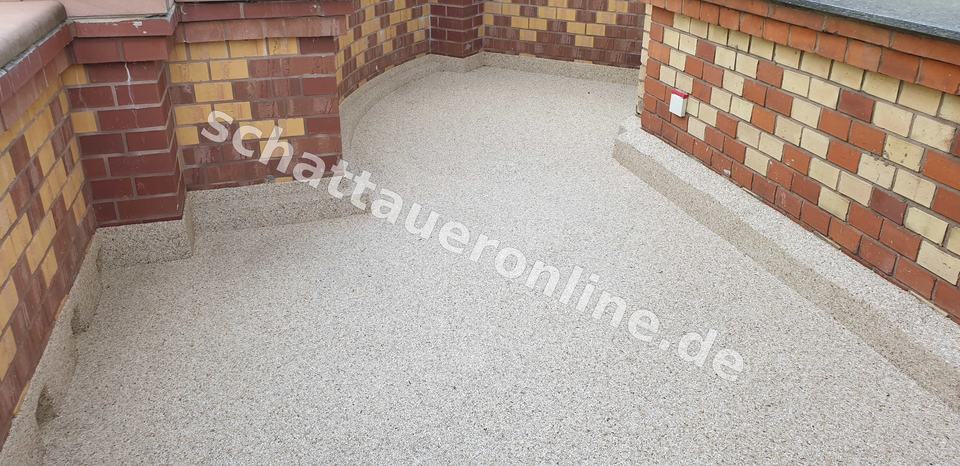
Reference photo from a Schattauer project in a street house: natural stone filler with coordinated color design with a focus on material comparison and practical system structure.
Natural stone filling with coordinated color design - carried out by Schattauer in Straßehaus.
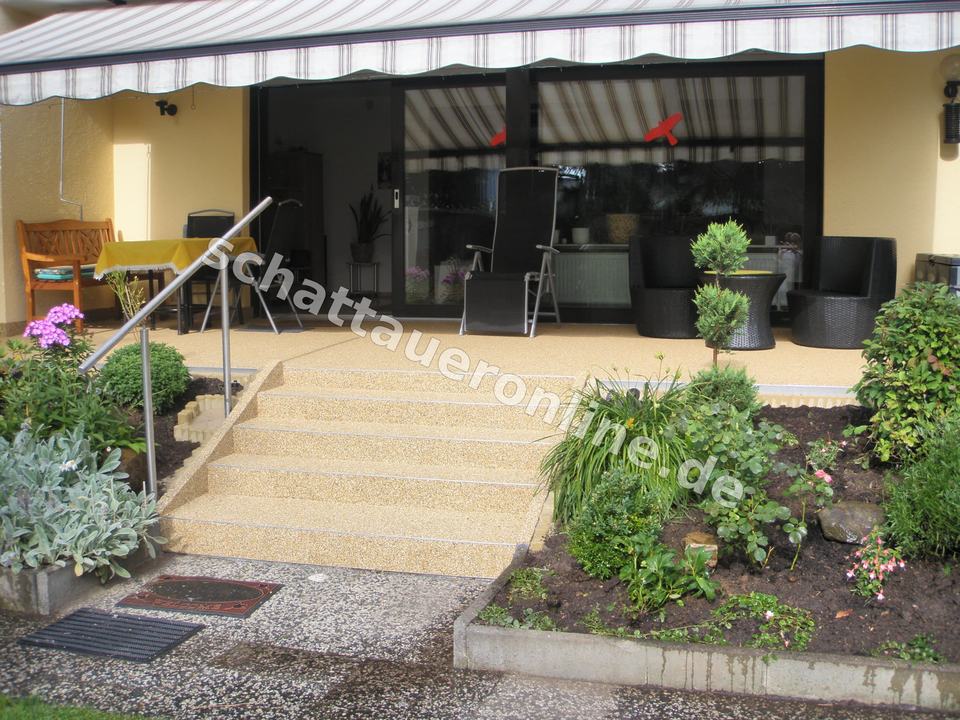
Floor coating for high loads - construction site photograph from the Schattauer company for material comparison with a focus on detail quality in street houses.
Floor coating for high loads - real project by Schattauer in the street house area.

Comparison of materials in everyday life: selection based on usage and details

In Strassenhaus, practice shows: the best system is the one that suits the subsurface, detailed zones and use. Liquid plastic, mineral systems or coatings each have clear limits of use.

If you base your system choice on details such as connections, processes and subsequent care, you avoid compromises in terms of durability and appearance.

Key points for material comparison in street house

  • System compatibility with the existing substrate
  • Resilience to weather, use and temperature changes
  • Detailed attention to edges, door connections and drains
  • Maintenance effort and life cycle consideration

What clients should pay attention to

In roadhouse projects, a clear decision-making framework helps to reduce technical risks and manage execution economically.

  • Which area should be sealed or coated?
  • How intensively is the area used?
  • What appearance and slip resistance are expected?
  • How important are subsequent repairability and maintenance?
Deepening: Detailed practice pages can be found at Cost in street house and Renovation process in street house.

Avoid common mistakes

Many problems arise not from missing material, but from unclear order, inaccurate details or late reactions.

  • Choose materials based solely on price rather than suitability
  • Ignore system boundaries for detail zones
  • Favor a short-term solution without a lifecycle view
  • Do not consider care requirements in advance

Practical checklist for street houses

This short list helps to classify material comparison more quickly and clearly before making an inquiry:

  • System compatibility with the existing substrate
  • Resilience to weather, use and temperature changes
  • Detailed attention to edges, door connections and drains
  • For projects in Straßehaus, Waldbreitbach and Rheinbreitbach, check transitions and edge zones separately early on.
Direct step: If several points apply, an early on-site inspection is worthwhile for reliable prioritization.

Frequently asked questions

Is there a best material for all cases?

No. The right system always depends on the object, use and detailed requirements.

Does the cheapest offer make economic sense?

Not necessarily. What counts in the long term is the combination of suitability, quality and durability.

Can you combine function and appearance?

Yes. With appropriate planning, technical safety and design goals can be combined.

Suitable guides: