Guide | Schattauer Mainz & Neuwied

Scheduling with a weather window: this keeps execution stable

Outdoor waterproofing work needs more than just a free calendar entry. The guide covers everything from seasonal conditions to drying times and buffers to communication.

Area of ​​application

Mainz, Neuwied and the surrounding area

Proceed

Advice, on-site testing, clean system setup

Goal

Long-lasting, dense and easy-care surfaces
Short answer: Resilient scheduling takes into account weather risk, technical approvals and sufficient buffer for critical detailed work.
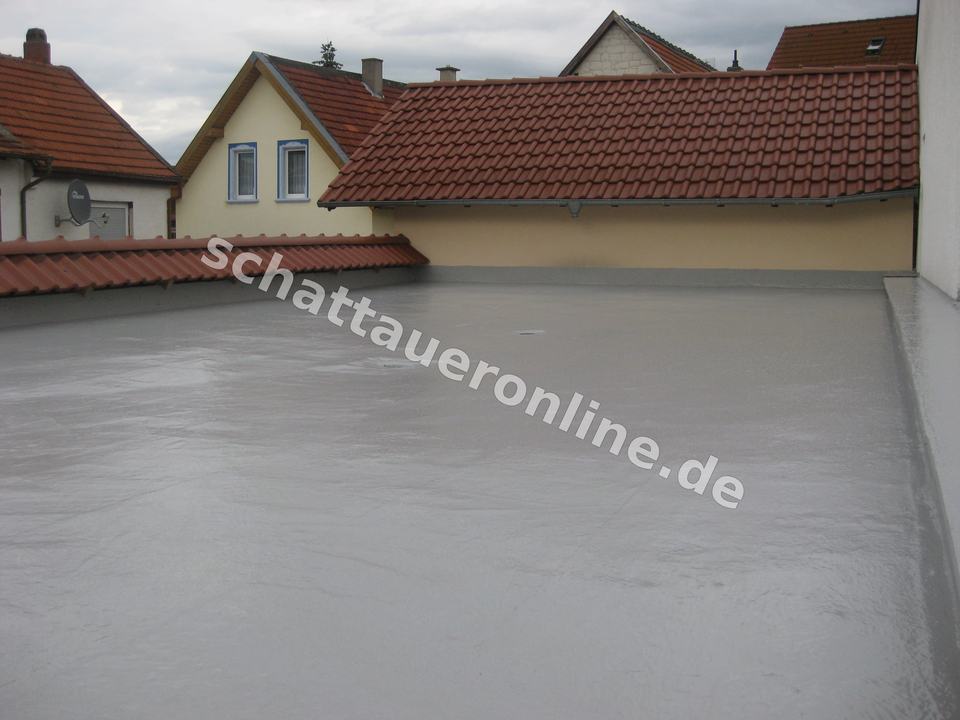
Reference from a Schattauer customer project: Flat roof surface with system-appropriate sealing, controlled drainage and carefully worked out details. Focus: Scheduling with a weather window.
Documented recording from a Schattauer customer project: Scheduling with a weather window.
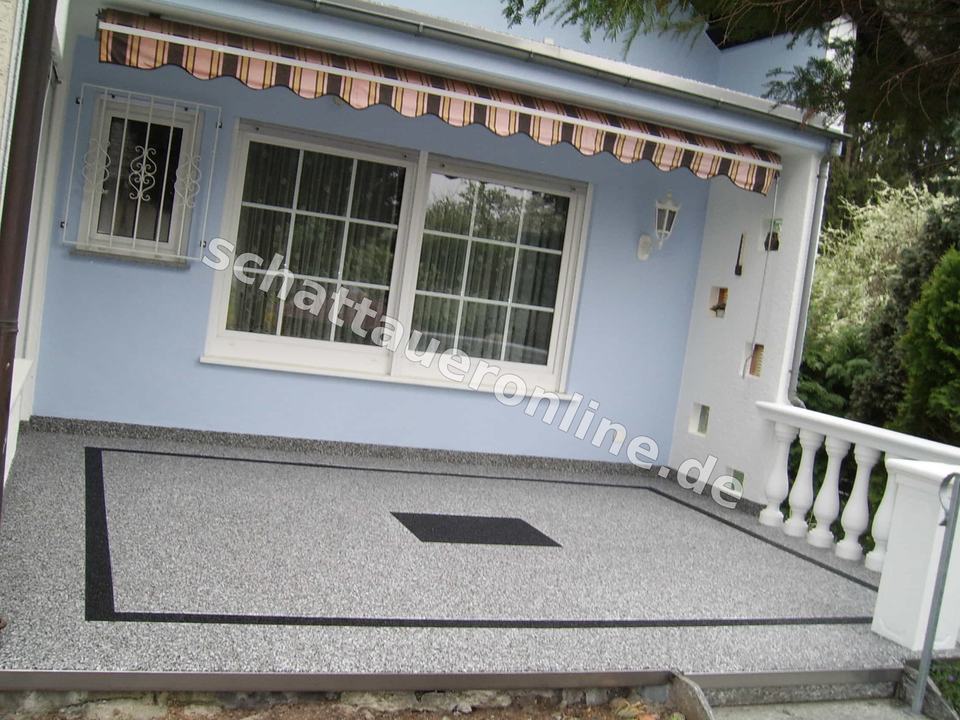
Real Schattauer project recording on This is how a waterproofing project works in a structured manner: Terrace project with coordinated waterproofing, decorative surface and weather-resistant layer structure.
Practical recording from Schattauer from Mainz/Neuwied: This is how a waterproofing project works in a structured manner.

Realistically classify seasonal conditions

Temperature, precipitation and humidity significantly influence processing and curing. That's why the season is not just an organizational factor, but a quality factor.

A good schedule is based on real weather windows instead of rigid desired dates. This results in the necessary drying and release phases.

Short info: Scheduling quality begins with realistic weather assumptions, not with maximally compressed schedules.

Plan drying and release phases

Technical approvals must be adhered to between individual work steps. If these are shortened, the risk of later damage increases.

Clear time windows between preparatory work, sealing and wear layer ensure reliable final results. This means that the buffers can be planned in the next step.

Short info: Waiting times that are too short are one of the most common causes of avoidable rework.

Set buffers intelligently instead of across the board

Not every area needs the same buffer. Critical detailed zones and complex connection areas should be taken into account separately in the process.

This means the schedule remains flexible without losing quality or coordination with other trades.

Short info: Targeted buffers in the right places keep projects stable.

Communication as part of scheduling

Transparent communication about weather conditions, postponements and releases reduces friction among clients and related trades.

A clear information rhythm helps to make decisions early and avoid standstill.

Short info: Informing early is better than improvising at short notice.

Practical knowledge: Quality of appointments comes from realistic weather logic

Outdoor schedules only remain stable when weather risk, clearances and detailed work are considered together.

Checklist for clients

  • Consider seasonal weather patterns when choosing a date.
  • Schedule technical release times between shifts.
  • Set a buffer for critical detailed zones instead of a blanket reserve.
  • Determine the information rhythm in advance in the event of weather-related postponements.

Common stumbling blocks in practice

  • Treat drying phases as a negotiable block of time.
  • Putting calendar pressure above technical process quality.
  • Postponements need to be communicated very late.

Frequently asked questions

Can you plan waterproofing work in changeable weather?

Yes, with coordinated weather windows, releases and realistic buffers.

Why are drying times so critical?

Because they directly influence the adhesion and long-term stability of the structure.

What helps against scheduling chaos on the construction site?

A structured process with clear handover points and early communication.

Regional entrances for Mainz and Neuwied

If you would like to get straight into regional project planning, these pages lead to suitable performance and decision paths:

Next Steps

If you would like to classify your project, send us dimensions, photos and your target image. This will give you a quick, reliable initial assessment.

Helpful introductions

Direct contact: To the contact form or by phone at 0177-3727033.

Related guides