Guide | Schattauer Mainz & Neuwied

After execution comes before durability: maintenance without excessive effort

Long-lasting sealing does not end with completion. The guide starts with sensible intervals, leads through clear checkpoints and ends with everyday care and early reaction.

Area of ​​application

Mainz, Neuwied and the surrounding area

Proceed

Advice, on-site testing, clean system setup

Goal

Long-lasting, dense and easy-care surfaces
Short answer: Regular visual inspections and appropriate cleaning prevent many typical damages before they become expensive.
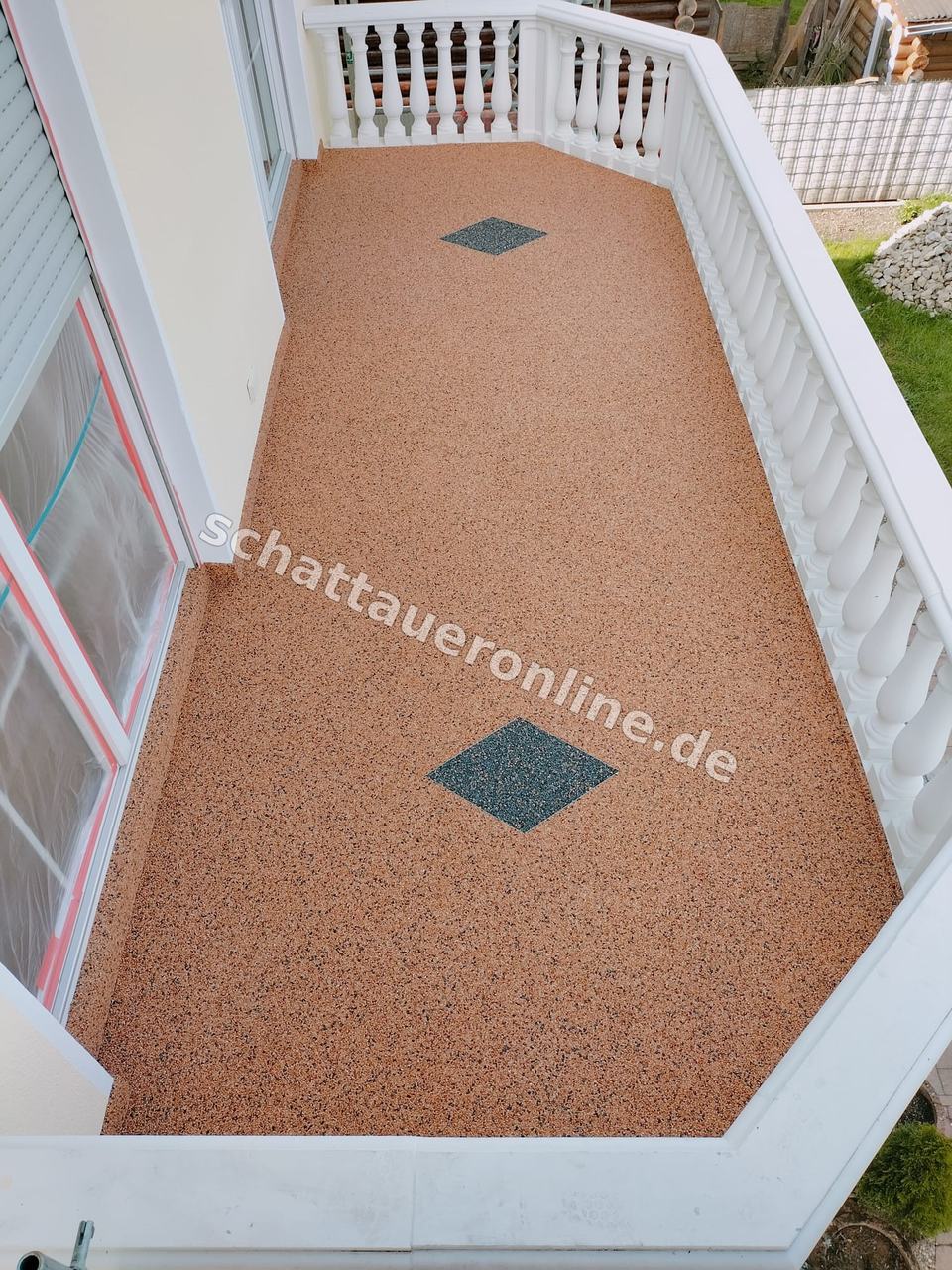
Reference from a Schattauer customer project: Balcony area after renovation with new sealing structure, clean edge connections and resilient wear layer. Focus: After execution is before durability.
Original project photo from Schattauer on the topic After execution is before durability.
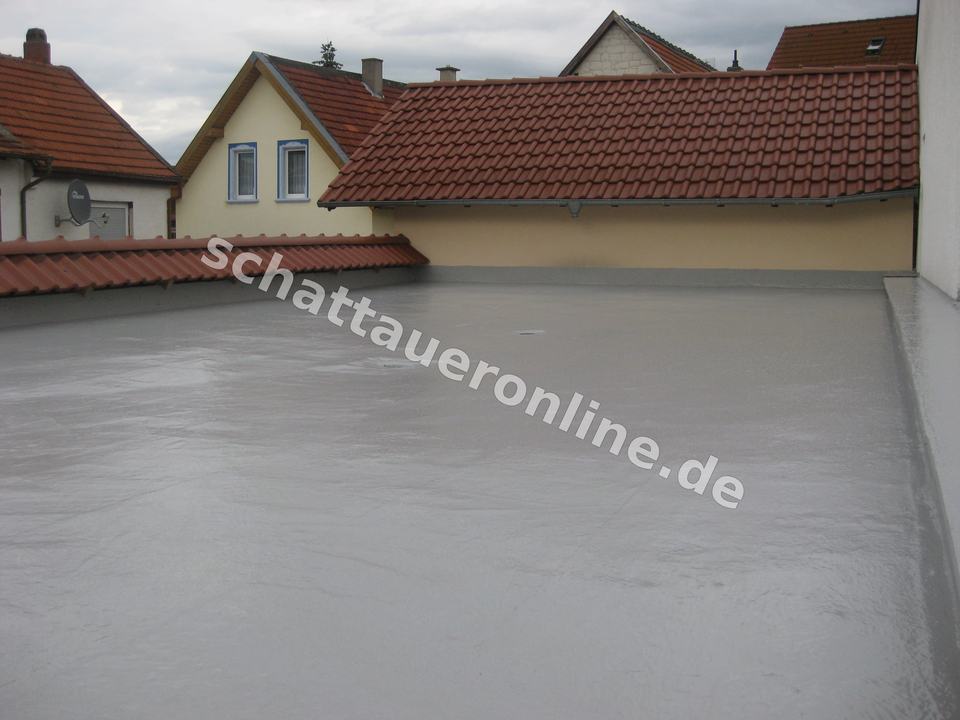
Project photo from Schattauer: Flat roof area with system-appropriate sealing, controlled drainage and carefully worked out details. Topic: When water remains standing.
Documented recording from a Schattauer customer project: When water remains standing.

Useful maintenance intervals in practice

Seasonal inspections are sufficient for many outdoor areas. In addition, tests after heavy rain, periods of frost or high leaf loads are useful.

It is important to have a fixed rhythm instead of irregular individual actions when damage is already visible. The crucial control points should then be clearly defined.

Short info: Practical rule: It is better to check briefly and regularly than to renovate rarely and at great expense.

These points should always be checked

Particularly relevant are edge connections, door areas, drainage points and visible transitions. This is where damage often begins first.

Even small changes such as discoloration, micro-cracks or standing moisture should be documented. Appropriate care steps can be derived from this.

Short info: Check critical detail zones separately - the large area often appears inconspicuous, although details are already reacting.

Organize cleaning and care for everyday use

Gentle cleaning with suitable agents is sufficient in many cases. Aggressive products or hard tools can put unnecessary strain on surfaces.

Maintenance works best when it fits the real use of the area and is not just planned theoretically. This way, the early reaction in the next step remains realistic.

Short info: A simple care plan with fixed steps reduces uncertainty in everyday life.

React early instead of letting the damage grow

Small abnormalities can usually be corrected quickly and in a targeted manner. If you wait too long, additional components are often affected.

In many cases, early feedback to the specialist company saves costs, time and subsequent risks.

Short info: The cheapest renovation is often small, timely measures.

Practical knowledge: Maintenance is part of durability

Care works best when it is implemented at clear intervals and with simple, appropriate steps.

Checklist for clients

  • Plan seasonal visual inspections with a focus on edge connections and drainage points.
  • Document abnormalities photographically in order to be able to understand changes.
  • Check cleaning agents for system compatibility and avoid aggressive products.
  • If there are recurring signs of moisture, obtain technical feedback at an early stage.

Common stumbling blocks in practice

  • Maintenance should only be organized when there is visible damage rather than preventatively.
  • Cleaning that is too aggressive mechanically or chemically should be used.
  • Small detailed changes handled too late.

Frequently asked questions

How often should I check my area?

At least seasonally and also after exceptional weather conditions.

Which cleaning products are useful?

Gentle, system-compatible means; Aggressive cleaners should be avoided.

When should a specialist company be called in?

As soon as new cracks, signs of moisture or noticeable changes in details are visible.

Regional entrances for Mainz and Neuwied

If you would like to get straight into regional project planning, these pages lead to suitable performance and decision paths:

Next Steps

If you would like to classify your project, send us dimensions, photos and your target image. This will give you a quick, reliable initial assessment.

Helpful introductions

Direct contact: To the contact form or by phone at 0177-3727033.

Related guides