Guide | Schattauer Mainz & Neuwied

Extend lifespan: systematic follow-up and care

A seal only remains reliable in the long term if follow-up care and maintenance are taken into account. The guide covers early warning signs, care and control rhythms, and follow-up care.

Area of ​​application

Mainz, Neuwied and the surrounding area

Proceed

Advice, on-site testing, clean system setup

Goal

Long-lasting, dense and easy-care surfaces
Short answer: Regular visual inspections, gentle care and early reactions to small abnormalities significantly extend the service life.
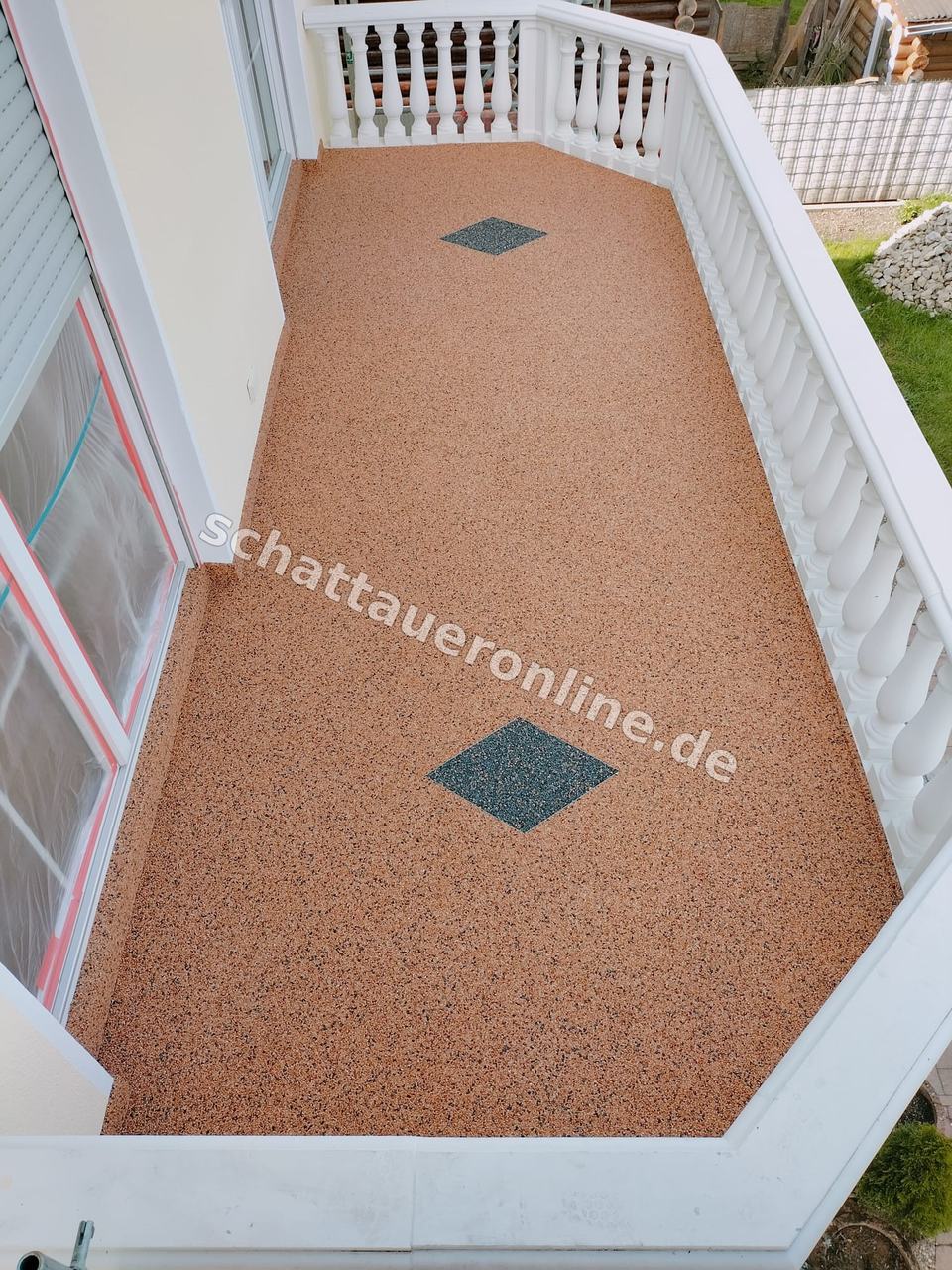
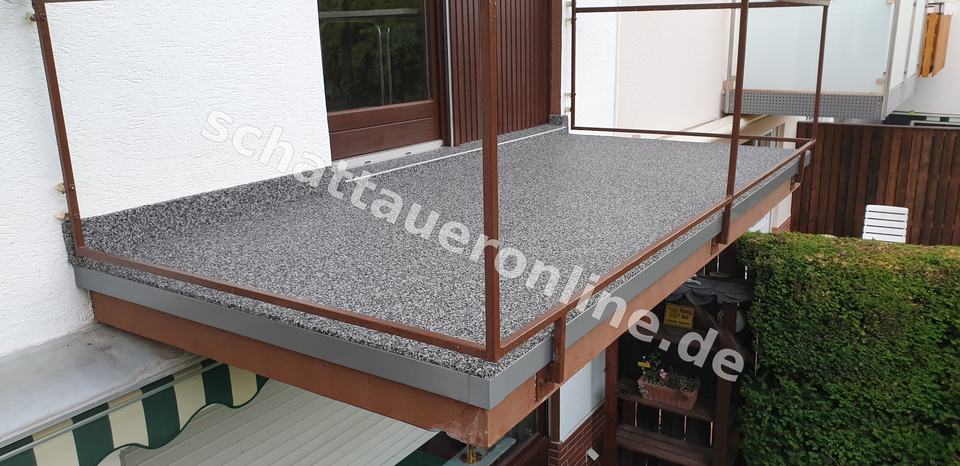
Balcony area after renovation with new sealing structure, clean edge connections and resilient wear layer - documented by Schattauer to extend the service life.
Documented recording from a Schattauer customer project: Extend service life.
Reference from a Schattauer customer project: Balcony area after renovation with new sealing structure, clean edge connections and resilient wear layer. Focus: After execution is before durability.
Original project photo from Schattauer on the topic After execution is before durability.

Recognize early warning signs

Small cracks, dull areas or open joints are often the first indications. If you recognize them early, you can plan local measures instead of major renovations.

Edge areas, connections and drains in particular should be checked regularly. This shows which care steps make sense in the next section.

Short info: Early detection saves costs: Small damage can usually be repaired quickly.

Care that has an effect

Regular cleaning without aggressive agents preserves the surface and prevents dirt deposits in critical zones.

For heavier loads, a coordinated care or protective layer is recommended.

Short info: Gentle care is more sustainable than infrequent intensive cleaning.

Plan the control rhythm sensibly

Seasonal checks before autumn and after winter record the most important risks. It is also worth checking after heavy rain or periods of frost.

A clear rhythm creates security and reduces unplanned repairs.

Short info: Regularity is more important than complex one-off tests.

Actively use follow-up care

Follow-up care means reacting quickly to any abnormalities and carrying out small repairs in a targeted manner.

Anyone who plans aftercare extends the useful life and protects the building structure.

Short info: Aftercare is not mandatory, but it is an investment in longevity.

Practical knowledge: Actively extend service life

If you plan maintenance and aftercare early, you reduce later costs and surprises.

Checklist for clients

  • Carry out seasonal visual inspections with a short protocol.
  • Document small cracks or open joints immediately.
  • Realistically assess and coordinate the care effort.
  • Plan follow-up care as a permanent component.

Common stumbling blocks in practice

  • Reporting abnormalities too late until major damage occurs.
  • Care should only be started if problems are visible.
  • To let follow-up care run without a fixed rhythm.

Frequently asked questions

How often should I check the area?

At least seasonally, also after periods of heavy rain and frost.

What to do if there are small cracks?

Document and have it checked early before water gets in.

Are there fixed maintenance intervals?

They depend on usage and weather - we recommend a coordinated rhythm.

Regional entrances for Mainz and Neuwied

If you would like to get straight into regional project planning, these pages lead to suitable performance and decision paths:

Next Steps

If you would like to classify your project, send us dimensions, photos and your target image. This will give you a quick, reliable initial assessment.

Helpful introductions

Direct contact: To the contact form or by phone at 0177-3727033.

Related guides