Guide | Schattauer Mainz & Neuwied

Guarantee for sealing: Safety through clear acceptance and clean documentation

After execution, the usage phase begins. The guide covers everything from acceptance to documentation to follow-up care and a structured approach in the event of damage.

Area of ​​application

Mainz, Neuwied and the surrounding area

Proceed

Advice, on-site testing, clean system setup

Goal

Long-lasting, dense and easy-care surfaces
Short answer: Anyone who organizes acceptance, documentation and aftercare in a structured manner creates a reliable basis for warranty and later damage clarification.
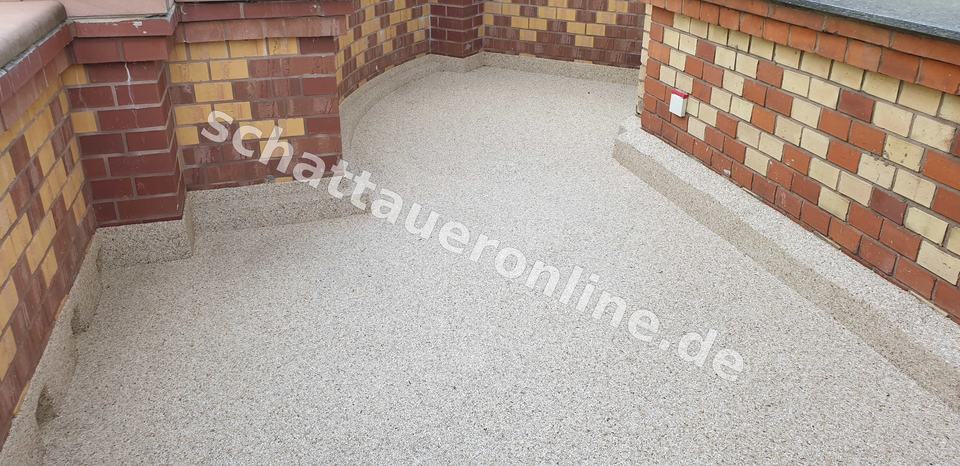
Real Schattauer project recording to guarantee sealing: Garage or basement floor with hard-wearing coating for high loads and easy cleaning.
Documented recording from a Schattauer customer project: Warranty for sealing.
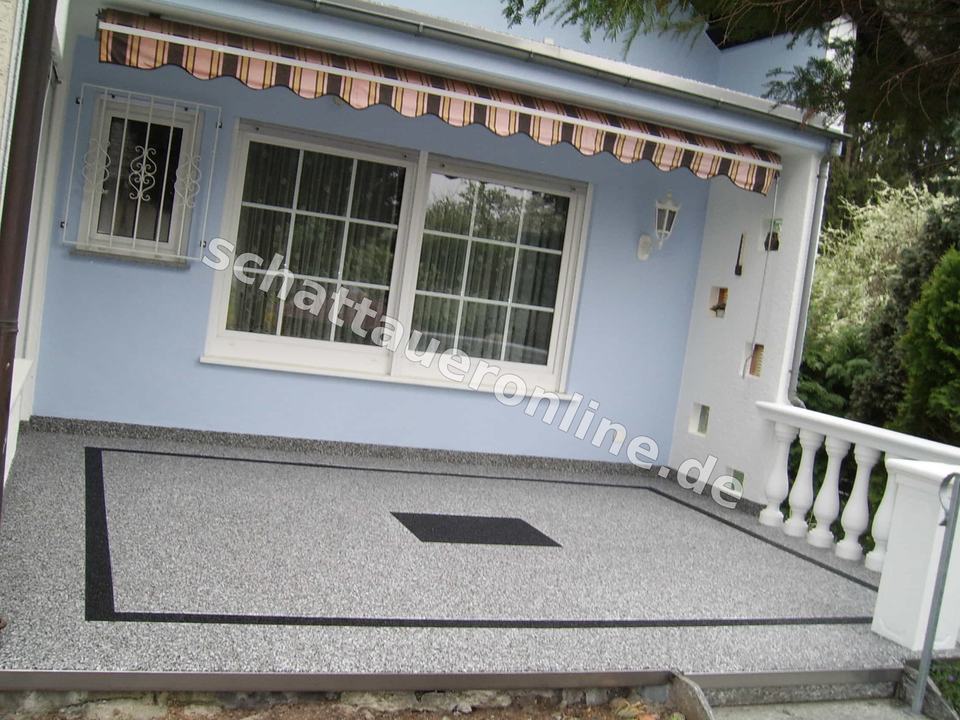
Real Schattauer project recording on This is how a waterproofing project works in a structured manner: Terrace project with coordinated waterproofing, decorative surface and weather-resistant layer structure.
Practical recording from Schattauer from Mainz/Neuwied: This is how a waterproofing project works in a structured manner.

What specifically should be checked during acceptance

Acceptance includes visible surface quality, edge and connection details, drainage points and compliance with the agreed scope of services.

A structured checklist helps to ensure that no critical point is overlooked. These results form the basis for the documentation in the next step.

Short info: Acceptance is a technical inspection appointment - not a quick look at the surface.

Documents that will really help later

What is important is a clear service description, image documentation, relevant material and care instructions as well as comprehensible handover protocols.

These documents provide clarity if questions arise about construction or use months or years later. At the same time, they are the basis for meaningful aftercare.

Short info: The cleaner the documentation, the quicker a later finding can be classified.

Follow-up care and ongoing self-monitoring

After completion, sensible control intervals and care limits should be clearly agreed upon. This stabilizes the area and makes communication easier if there are any abnormalities.

Early feedback with photos and time information helps to quickly narrow down the causes. In this way, the possible damage event is clearly prepared in the next step.

Short info: Aftercare is the bridge between acceptance and long-term durability.

If damage occurs later: proceed in a structured manner

In the event of damage, what counts is clear documentation of the findings, timely reporting and a comprehensible history of the area.

Organized documents make it easier to check which measures make technical and economic sense.

Short info: In the event of damage, document first, then act - this often saves time and nerves.

Practical knowledge: Warranty requires clear evidence

Acceptance and documentation are the common thread between completion, use and later damage clarification.

Checklist for clients

  • Carry out acceptance with a structured checklist for areas, edge details and drainage.
  • Completely compile the service description, photos and care instructions.
  • Define control intervals and reporting channels for abnormalities directly.
  • Save documents in an orderly manner so that findings can be quickly traced later.

Common stumbling blocks in practice

  • Archive project documents incompletely and only search for details in the event of damage.
  • Reporting abnormalities too late or handing them over without clear photo documentation.
  • Treat acceptance as a formality instead of using it as a technical quality window.

Frequently asked questions

What documents should I keep after project completion?

Description of services, acceptance protocol, image documentation and care instructions.

How do I report abnormalities sensibly?

With date, short description and meaningful photos of the affected detailed area.

Is follow-up support only relevant for large projects?

No, smaller areas also benefit from clear control and maintenance processes.

Regional entrances for Mainz and Neuwied

If you would like to get straight into regional project planning, these pages lead to suitable performance and decision paths:

Next Steps

If you would like to classify your project, send us dimensions, photos and your target image. This will give you a quick, reliable initial assessment.

Helpful introductions

Direct contact: To the contact form or by phone at 0177-3727033.

Related guides