Advice Cluster | Slip resistance and safety of use in Koblenz

Slip resistance and safety of use in Koblenz: what is important in practice

In Koblenz, slip resistance is a central factor for safe balcony, terrace and stair surfaces.

In the Koblenz area and the neighboring areas of Mülheim-Kärlich and Lahnstein, the focus is on practical decisions regarding slip resistance and safety of use.

region

Neuwied, Rhine-Westerwald and neighboring regions
Practical relevance

Experience from projects in Mainz, Neuwied and the surrounding area

Next step

Clarify questions, determine structure, execute cleanly
Short answer: Slip resistance and safety of use in Koblenz work best when technical suitability, clean execution and long-term aftercare are considered together.
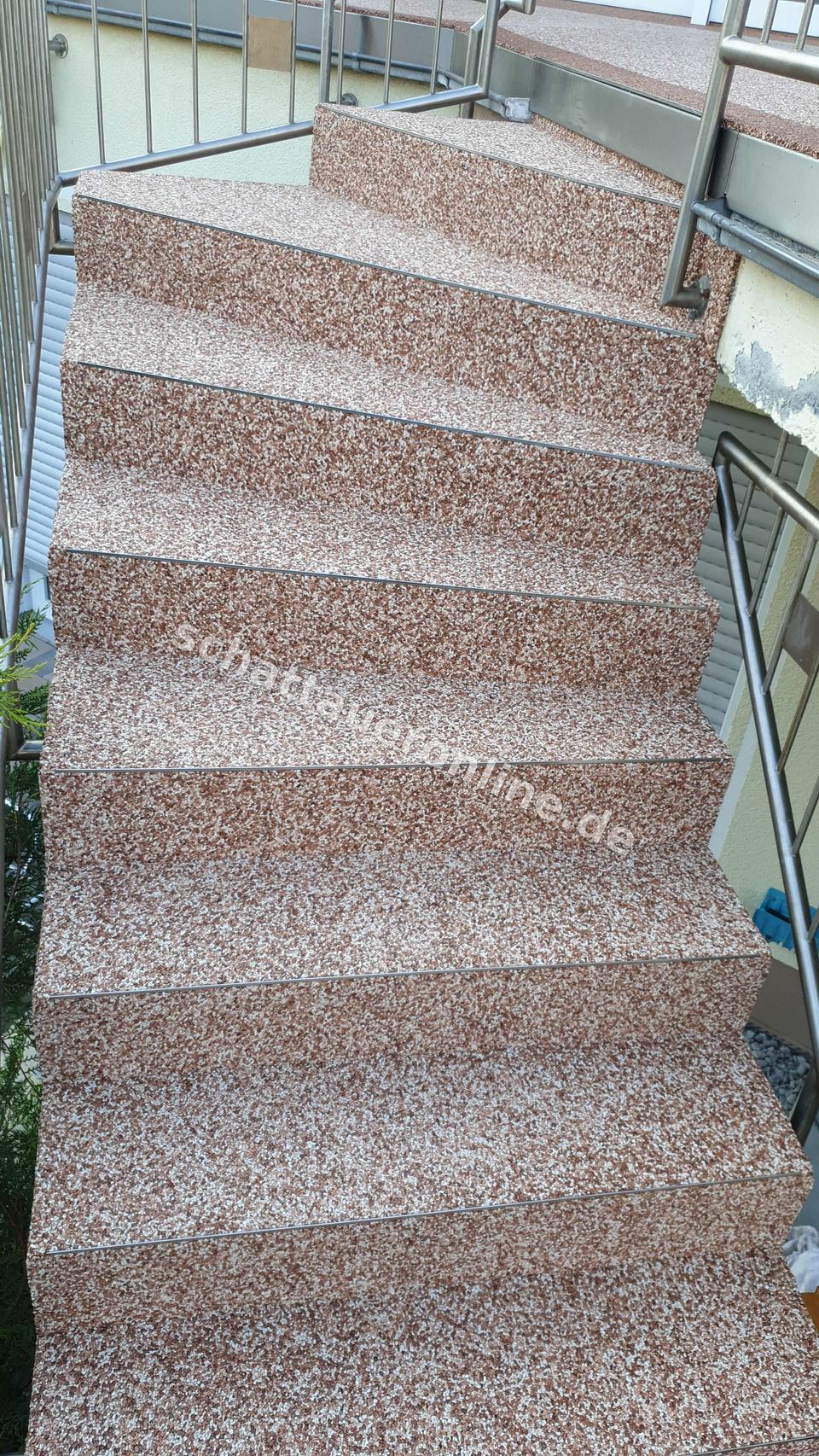
Reference photo from a Schattauer project in Koblenz: Outdoor stairs with anti-slip coating with a focus on slip resistance and safety of use and practical system design.
Outdoor stairs with anti-slip coating - carried out by Schattauer in Koblenz.
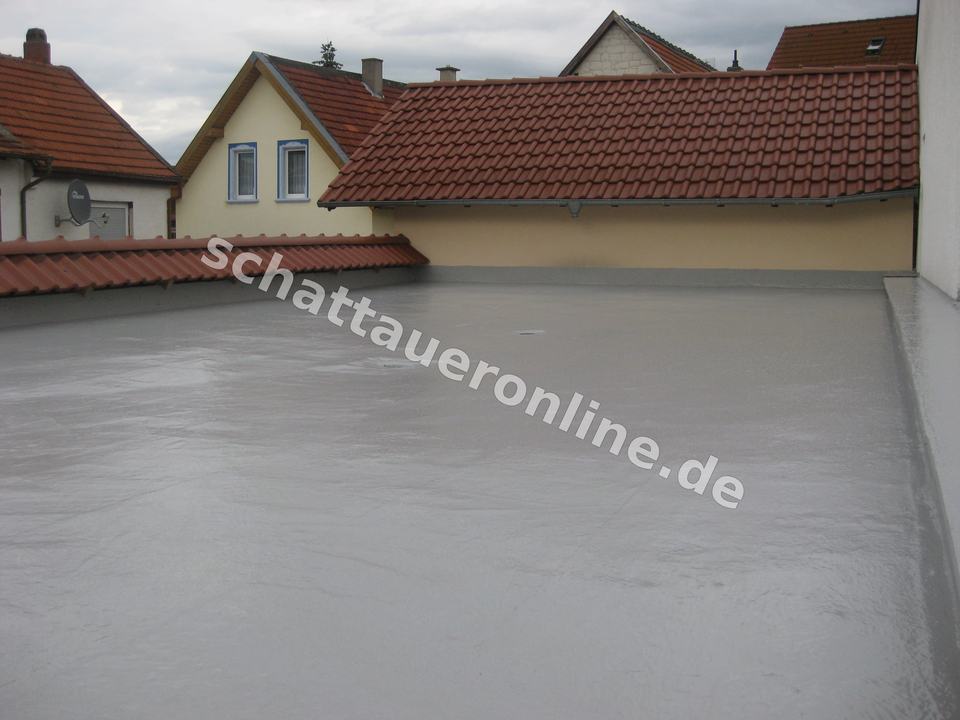
Flat roof renovation with coordinated drainage - construction site survey by Schattauer for slip resistance and safety of use with a focus on quality of detail in Koblenz.
Flat roof renovation with coordinated drainage - real project from Schattauer in the Koblenz area.

Slip resistance in everyday life: Safety starts before the surface

In Koblenz, the context of use determines which slip resistance is really suitable: wet walkways, frequent cleaning or heavy traffic require different structures than occasionally used areas.

If you only choose slip resistance visually, you risk having to rework it later. A quick coordination of usage, cleaning and detailed zones provides a more long-lasting solution.

Key points for slip resistance and safety of use in Koblenz

  • Adjust the slip resistance class to use and weather conditions
  • Balance surface structure with cleaning effort
  • Consider critical walkways and edge areas separately
  • Regularly check and document safety of use

What clients should pay attention to

In Koblenz, an early classification of load, material suitability and detail effort usually leads to more stable project decisions.

  • How often is the surface damp or dirty?
  • Which user groups move around the area?
  • Which surface solution is safe and maintainable at the same time?
  • Are transitions to adjacent surfaces carried out safely?
Deepening: Detailed practice pages can be found at Costs in Koblenz and Renovation process in Koblenz.

Avoid common mistakes

If you recognize these errors early, you can often avoid unnecessary consequential damage and time-consuming rework.

  • Choose slip resistance based on appearance rather than usage
  • Underestimating the care required for a heavily structured surface
  • Execute edges and transitions without a safety eye
  • Only carry out a safety check upon handover rather than during operation

Practice checklist for Koblenz

This short list helps to classify slip resistance and safety of use more quickly and clearly before making an inquiry:

  • Adjust the slip resistance class to use and weather conditions
  • Balance surface structure with cleaning effort
  • Consider critical walkways and edge areas separately
  • For projects in Koblenz, Mülheim-Kärlich and Lahnstein, check transitions and edge zones separately early on.
Direct step: If several points apply, an early on-site inspection is worthwhile for reliable prioritization.

Frequently asked questions

Is higher slip resistance always better?

Not across the board. It must be suitable for use, otherwise maintenance costs and comfort problems increase.

Can you combine security and appearance?

Yes, with the right choice of system and coordinated surface structure.

When should you readjust?

As soon as surfaces become noticeably slippery when wet or users walk unsteadily.

Suitable guides: