Advice Cluster | Trade interfaces and coordination in Mainz-Neustadt

Trade interfaces and coordination in Mainz-Neustadt: Guide for clients

Interfaces between sealing, metal construction, doors or facade work should be coordinated early on in Mainz-Neustadt.

In the Mainz-Neustadt area and the adjacent areas of Mainz-Altstadt and Mainz-Oberstadt, the focus is on practical decisions regarding trade interfaces and coordination.

region

Mainz and the immediate city area

Practical relevance

Experience from projects in Mainz, Neuwied and the surrounding area

Next step

Clarify questions, determine structure, execute cleanly
Short answer: Trade interfaces and coordination in Mainz-Neustadt work best when technical suitability, clean execution and long-term follow-up support are thought of together.
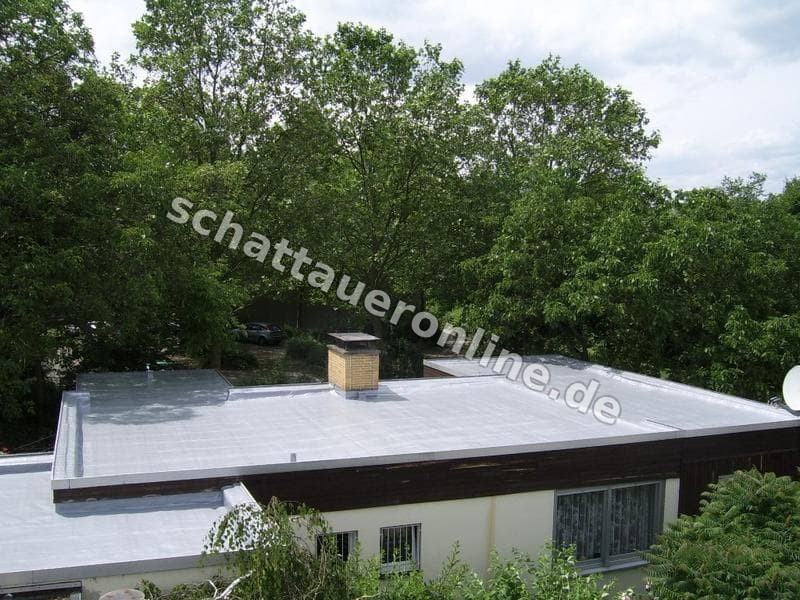
Flat roof area with technically clean layer structure from the Schattauer project in Mainz-Neustadt, focusing on trade interfaces and coordination and practical system structure.
Flat roof area with a technically clean layer structure from a customer project in Mainz-Neustadt.
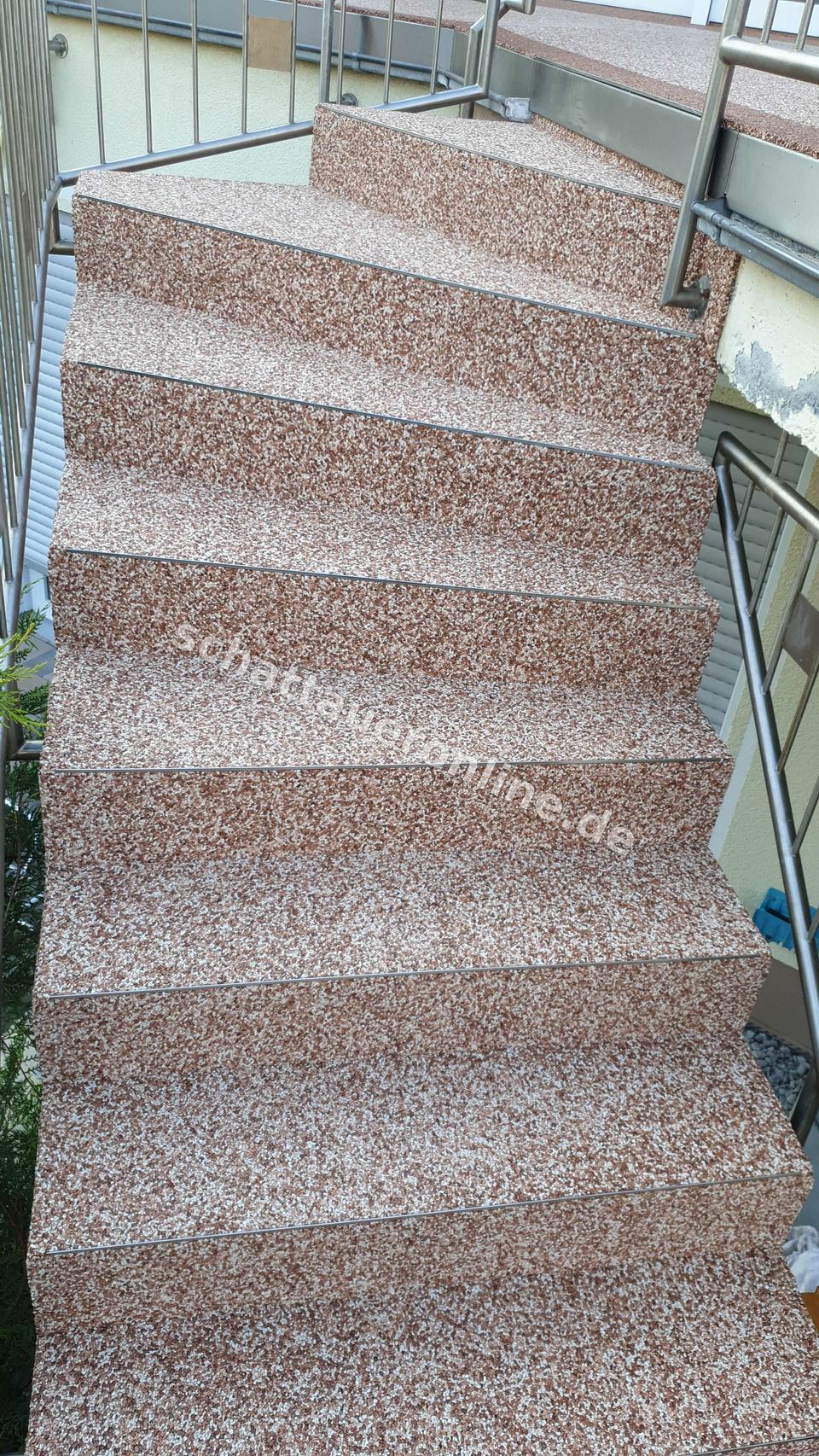
Project photo from Schattauer: Staircase area with anti-slip surface. Trade interfaces and coordination with a focus on quality of detail in the Mainz-Neustadt area.
Staircase area with anti-slip surface - carried out by Schattauer in Mainz-Neustadt.

Coordinate trade interfaces: ensure clean transitions

In Mainz-Neustadt, many problems arise where different trades work together. Connection heights, penetrations and edge details should therefore be coordinated early on.

Anyone who clearly defines interfaces avoids duplication of work and ensures a design that fits together over the long term.

Key points for trade interfaces and coordination in Mainz-Neustadt

  • Make interfaces visible early in the schedule
  • Clearly assign responsibilities for each detail point
  • Coordinate dependencies between trades on schedule
  • Document technical handovers between services

What clients should pay attention to

If you want to make a safe decision in Mainz-Neustadt, you should consider usage, detailed zones and long-term care together before execution.

  • Which interfaces are technically critical?
  • Where are there scheduling dependencies with other trades?
  • Are handover points clearly defined from a technical point of view?
  • How do you quickly follow up on changes to plans?
Deepening: Detailed practice pages can be found at Costs in Mainz-Neustadt and Renovation process in Mainz-Neustadt.

Avoid common mistakes

Typical weak points usually concern connection details, material transitions and a lack of follow-up control during ongoing operations.

  • Coordinate interfaces only informally rather than bindingly
  • Responsibilities not clearly defined
  • Underestimating temporal dependencies
  • Make changes without agreed documentation

Practice checklist for Mainz-Neustadt

This short list helps to classify trade interfaces and coordination more quickly and clearly before the request:

  • Make interfaces visible early in the schedule
  • Clearly assign responsibilities for each detail point
  • Coordinate dependencies between trades on schedule
  • For projects in Mainz-Neustadt, Mainz-Altstadt and Mainz-Oberstadt, check transitions and peripheral zones separately early on.
Direct step: If several points apply, an early on-site inspection is worthwhile for reliable prioritization.

Frequently asked questions

What are typical interfaces?

Often door connections, metal parts, edge trims, drains and transitions to adjacent components.

Why do interfaces often lead to problems?

Because technical responsibilities and sequences are not clearly regulated.

How can you avoid this?

Through early coordination, clear responsibility and documented handovers.

Suitable guides: