Advice Cluster | Cracks and chips in wires

Cracks and spalling in wires: what matters in practice

If cracks become visible in wires, the cause should be investigated before larger areas are affected.

In the Wirges area and the neighboring areas of Montabaur and Höhr-Grenzhausen, the focus is on practical decisions regarding cracks and spalling.

region

Neuwied, Rhine-Westerwald and neighboring regions

Practical relevance

Experience from projects in Mainz, Neuwied and the surrounding area

Next step

Clarify questions, determine structure, execute cleanly
Short answer: Cracks and spalling in wires work best when technical suitability, clean execution and long-term aftercare are considered together.
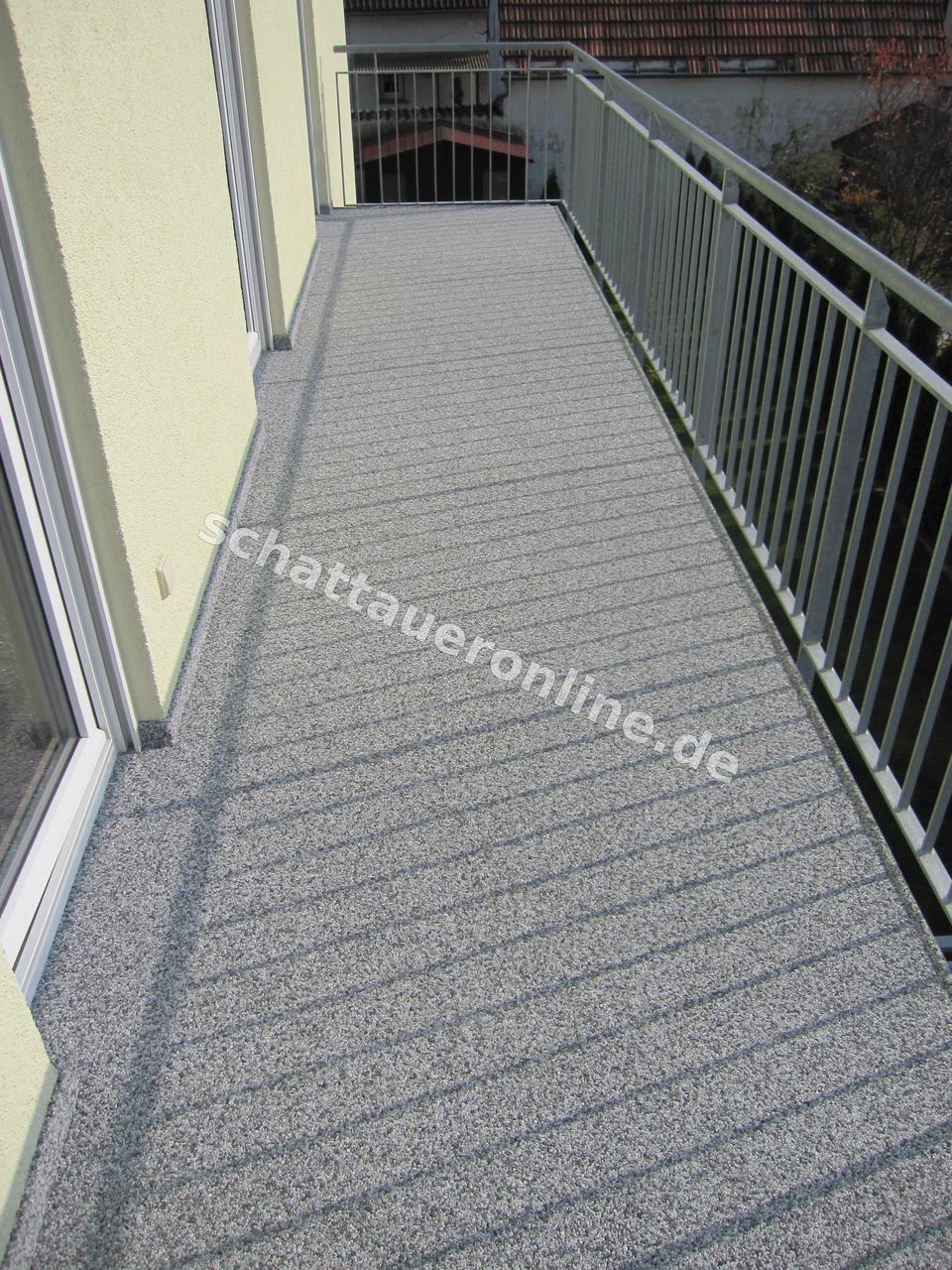
Project photo from Schattauer: Balcony with neatly executed edge and connection details. Cracks and spalling and practical system construction in the Wirges area.
Balcony with neatly executed edge and connection details from a customer project in Wirges.
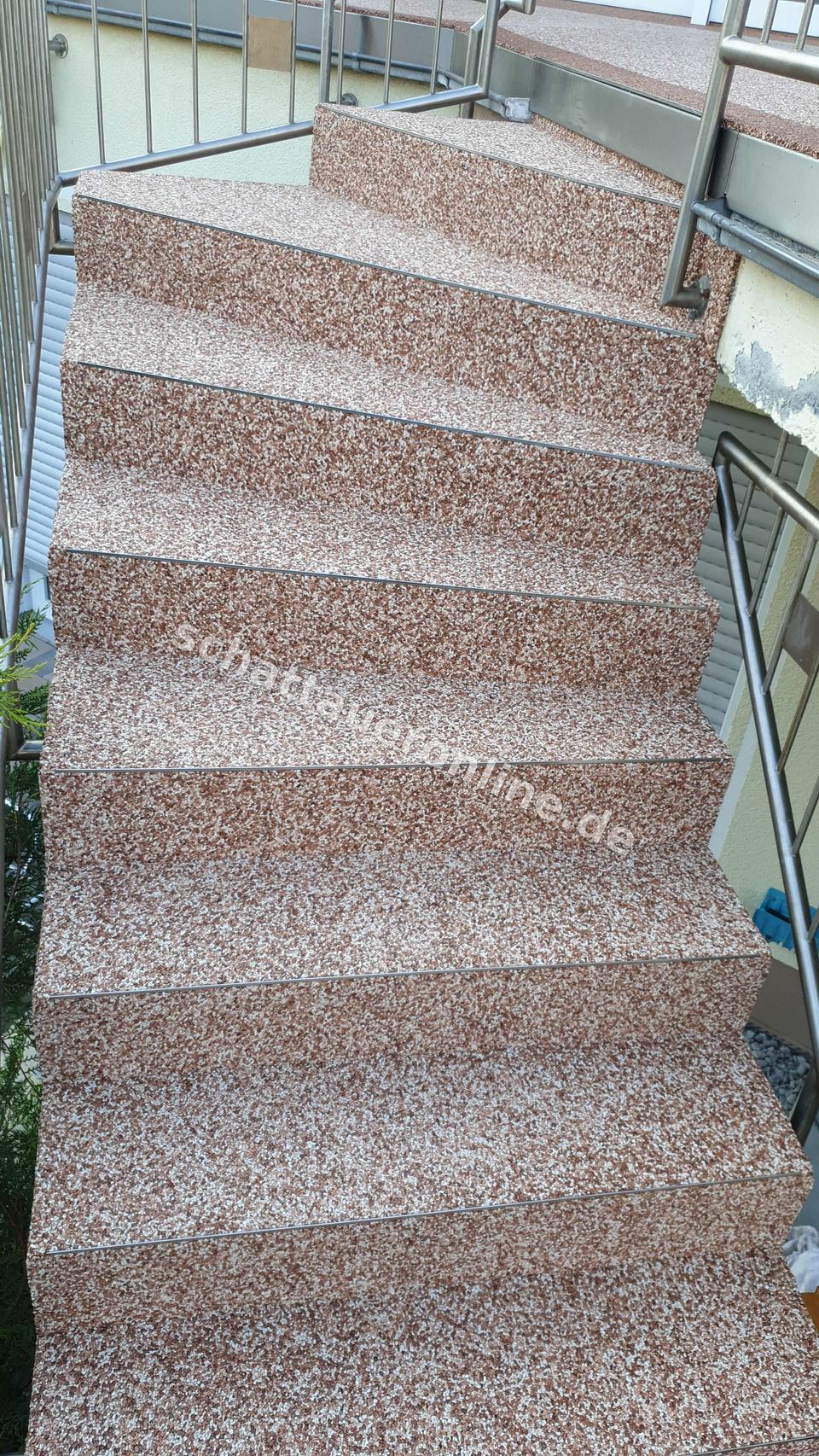
Reference photo from a Schattauer project in Wirges: Stair area with an anti-slip surface with a focus on cracks and chips with a focus on quality of detail.
Staircase area with anti-slip surface - carried out by Schattauer in Wirges.

Classify cracks correctly: start small, avoid large ones

Cracks in wires are rarely just visual. The decisive factor is whether they run in connection zones, edge areas or over expansion joints - this is where consequential damage occurs first.

Early documentation with photos and scale helps to assess development and plan targeted measures instead of completely rebuilding.

Key points for cracks and spalling in wires

  • Document the type of crack and its course (width, depth, location)
  • Check the condition of the substrate and adhesion of neighboring surfaces
  • Check critical detail zones on edges and connections
  • Choose a system-appropriate renovation strategy instead of selective cosmetics

What clients should pay attention to

In Wirges, an early classification of load, material suitability and detail effort usually leads to more stable project decisions.

  • Is the damage local or systematically distributed?
  • Is there moisture pollution in the affected areas?
  • What loads affect the area (weather, use)?
  • Is partial repair sufficient or does rebuilding make sense?
Deepening: Detailed practice pages can be found at Costs in Wirges and Renovation process in Wirges.

Avoid common mistakes

If you recognize these errors early, you can often avoid unnecessary consequential damage and time-consuming rework.

  • Only superficially revise, without root cause analysis
  • Use unsuitable materials with low durability
  • Do not include connection details in the renovation
  • Indicators of moisture are not properly cleared up before renovation

Practice checklist for Wirges

This short list helps to classify cracks and chips more quickly and clearly before making an inquiry:

  • Document the type of crack and its course (width, depth, location)
  • Check the condition of the substrate and adhesion of neighboring surfaces
  • Check critical detail zones on edges and connections
  • For projects in Wirges, Montabaur and Höhr-Grenzhausen, check transitions and edge zones separately at an early stage.
Direct step: If several points apply, an early on-site inspection is worthwhile for reliable prioritization.

Frequently asked questions

Are all cracks critical?

Not every crack is immediately critical, but every crack should be classified technically.

Can cracks be closed locally?

In the case of local damage, sometimes yes, but in the case of systemic causes it is usually not permanent.

Why do cracks often come back?

If the cause is not addressed, damage will recur despite cosmetic repair.

Suitable guides: