Advice Cluster | Critical detail zones in Geisenheim

Critical detailed zones in Geisenheim: what matters in practice

In Geisenheim, a lot of damage occurs not on the surface, but on detailed areas such as edges, connections and penetrations.

In the Geisenheim area and the adjacent areas of Oestrich-Winkel and Rüdesheim am Rhein, the focus is on practical decisions in critical detail zones.

region

Mainz-Bingen, Rheinhessen and neighboring places

Practical relevance

Experience from projects in Mainz, Neuwied and the surrounding area

Next step

Clarify questions, determine structure, execute cleanly
Short answer: Critical detail zones in Geisenheim work best when technical suitability, clean execution and long-term follow-up support are thought of together.
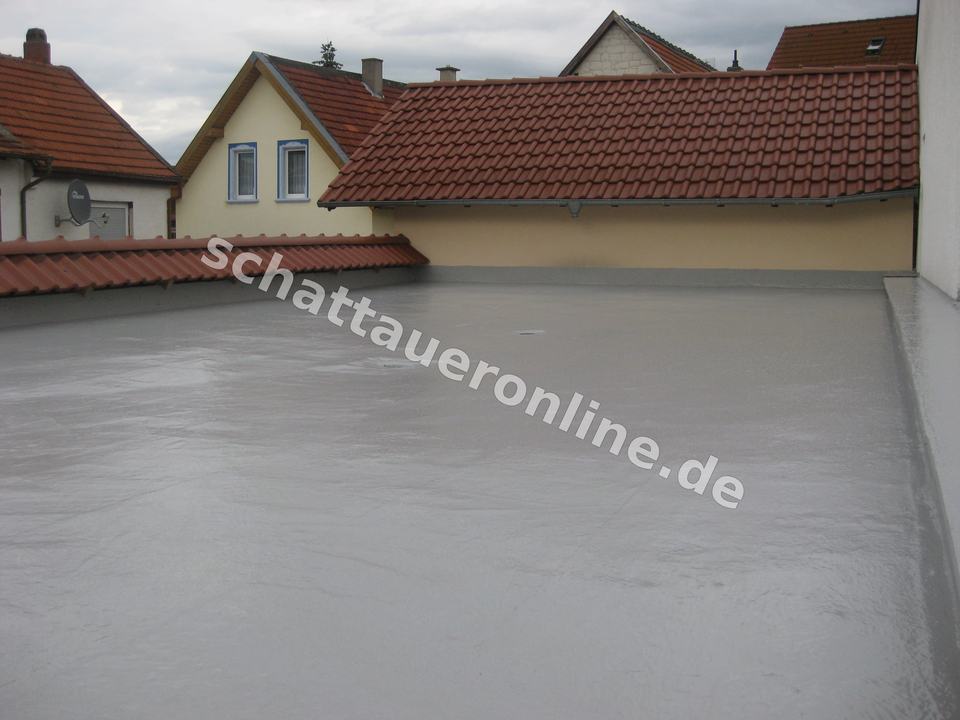
Project photo from Schattauer: Flat roof area with system-compliant sealing. Critical detailed zones and practical system structure in the Geisenheim area.
Flat roof area with system-appropriate sealing - real project by Schattauer in the Geisenheim area.
Reference photo from a Schattauer project in Geisenheim: Flat roof renovation with coordinated drainage with a focus on critical detail zones with a focus on quality of detail.
Flat roof renovation with coordinated drainage from a customer project in Geisenheim.

Focus on detail zones: Connections determine durability

In Geisenheim, most damage occurs at transitions: door connections, edge zones and penetrations are the areas with the highest risk.

If you check detailed areas early and describe them clearly in the offer, you prevent small weaknesses from becoming major follow-up costs.

Key points for critical detail zones in Geisenheim

  • Carry out door and threshold connections technically correctly
  • Secure edges and edge zones against mechanical stress
  • Integrate drains, inlets and upstands in detail
  • Coordinate transitions between different materials

What clients should pay attention to

In Geisenheim, an early classification of load, material suitability and detail effort usually leads to more stable project decisions.

  • Which detailed points are the most critical in relation to the object?
  • Is the layer structure compatible at all transitions?
  • Have drainage details been sufficiently taken into account?
  • Are the connection solutions chosen easy to maintain?
Deepening: Detailed practice pages can be found at Costs in Geisenheim and Renovation process in Geisenheim.

Avoid common mistakes

If you recognize these errors early, you can often avoid unnecessary consequential damage and time-consuming rework.

  • Focus on surface optics, neglect details
  • Only specify detailed training in the offer in general terms
  • Not technically coordinating transitions between materials
  • Execute edge areas without additional protection

Practice checklist for Geisenheim

This short list helps to classify critical detail zones more quickly and clearly before making the request:

  • Carry out door and threshold connections technically correctly
  • Secure edges and edge zones against mechanical stress
  • Integrate drains, inlets and upstands in detail
  • For projects in Geisenheim, Oestrich-Winkel and Rüdesheim am Rhein, check transitions and edge zones separately early on.
Direct step: If several points apply, an early on-site inspection is worthwhile for reliable prioritization.

Frequently asked questions

Why are detail zones so important?

Because this is where the highest technical load occurs and damage often occurs first.

Can you easily correct detailed errors later?

Partly, but usually with more effort than with a clean initial implementation.

Which areas are particularly vulnerable?

Door connections, edges, drains, upstands and material transitions are typical.

Suitable guides: