Advice Cluster | Drainage and gradient planning in Mainz-Ebersheim

Drainage and gradient planning in Mainz-Ebersheim: what is important in practice

In Mainz-Ebersheim, the durability of many areas depends on functioning drainage.

In the Mainz-Ebersheim area and the adjacent areas of Mainz-Lerchenberg and Mainz-Marienborn, the focus is on practical decisions regarding drainage and gradient planning.

region

Mainz and the immediate city area

Practical relevance

Experience from projects in Mainz, Neuwied and the surrounding area

Next step

Clarify questions, determine structure, execute cleanly
Short answer: Drainage and slope planning in Mainz-Ebersheim works best when technical suitability, clean execution and long-term aftercare are thought of together.
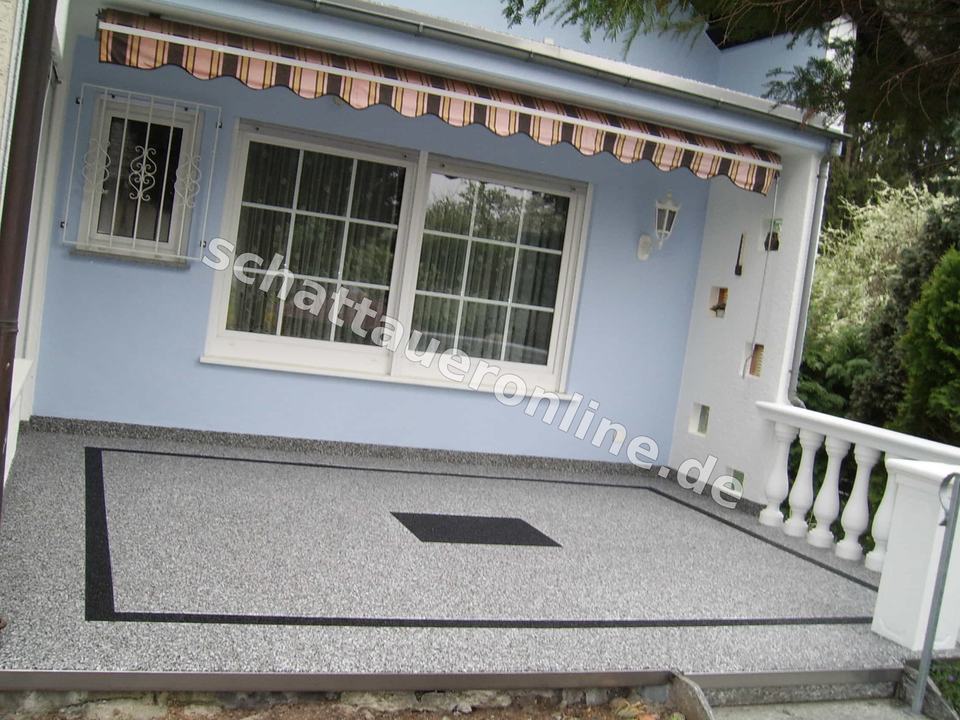
Terrace area with weatherproof sealing and harmonious surface - construction site photograph from the Schattauer company for drainage and slope planning and practical system construction in Mainz-Ebersheim.
Terrace area with weatherproof sealing and harmonious surface - carried out by Schattauer in Mainz-Ebersheim.
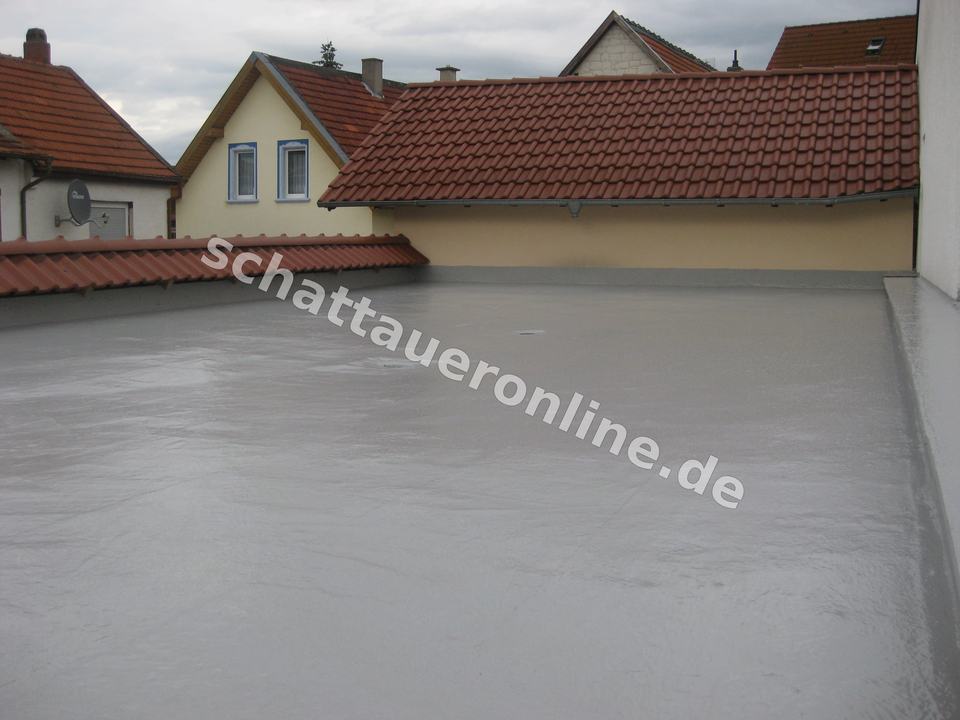
Flat roof renovation with coordinated drainage from the Schattauer project in Mainz-Ebersheim, focus on drainage and slope planning with a focus on quality of detail.
Flat roof renovation with coordinated drainage - real project by Schattauer in the Mainz-Ebersheim area.

Drainage in detail: where water really remains

In Mainz-Ebersheim, practice shows that water build-up almost always begins at connection zones, drains and peripheral areas. This is exactly where it is decided whether a system will function permanently.

A short on-site inspection with targeted water flow and a look at drainage points prevents problems from only becoming visible after the renovation.

Key points for drainage and gradient planning in Mainz-Ebersheim

  • Align gradients with real land use
  • Keep drains, gutters and emergency drainage clear and accessible
  • Integrate connection details into processes in a technically clean manner
  • Check and document watercourses after heavy rain

What clients should pay attention to

In Mainz-Ebersheim, an early classification of load, material suitability and detail effort usually leads to more stable project decisions.

  • Is the existing gradient sufficient for safe drainage?
  • Are drain points correctly positioned and accessible?
  • Which areas regularly show water accumulation?
  • Is drainage clearly integrated into maintenance and care?
Deepening: Detailed practice pages can be found at Costs in Mainz-Ebersheim and Renovation process in Mainz-Ebersheim.

Avoid common mistakes

If you recognize these errors early, you can often avoid unnecessary consequential damage and time-consuming rework.

  • Only assess drainage after completion
  • Block drain points with dirt or furniture
  • Only check detailed execution of processes visually rather than technically
  • Not checking emergency drainage regularly

Practice checklist for Mainz-Ebersheim

This short list helps to classify drainage and slope planning more quickly and clearly before making an inquiry:

  • Align gradients with real land use
  • Keep drains, gutters and emergency drainage clear and accessible
  • Integrate connection details into processes in a technically clean manner
  • For projects in Mainz-Ebersheim, Mainz-Lerchenberg and Mainz-Marienborn, check transitions and edge zones separately early on.
Direct step: If several points apply, an early on-site inspection is worthwhile for reliable prioritization.

Frequently asked questions

How important is the gradient really?

Very important because it removes water in a targeted manner and reduces moisture pollution.

Can drainage problems be solved later?

In some cases yes, but solutions planned early are usually more economical.

Which areas are particularly critical?

Drains, edge zones, door connections and areas with frequent accumulation of water.

Suitable guides: