Advice Cluster | Maintenance intervals in the practice in Dierdorf

Maintenance intervals in the practice in Dierdorf: clearly structured from planning to follow-up care

Maintenance intervals in Dierdorf should match the load and exposure of the area, not follow a rigid calendar.

In the Dierdorf area and the adjacent areas of Rengsdorf and Puderbach, the focus is on practical decisions regarding maintenance intervals in practice.

region

Neuwied, Rhine-Westerwald and neighboring regions

Practical relevance

Experience from projects in Mainz, Neuwied and the surrounding area

Next step

Clarify questions, determine structure, execute cleanly
Short answer: Maintenance intervals in the practice in Dierdorf work best when technical suitability, clean execution and long-term aftercare are considered together.
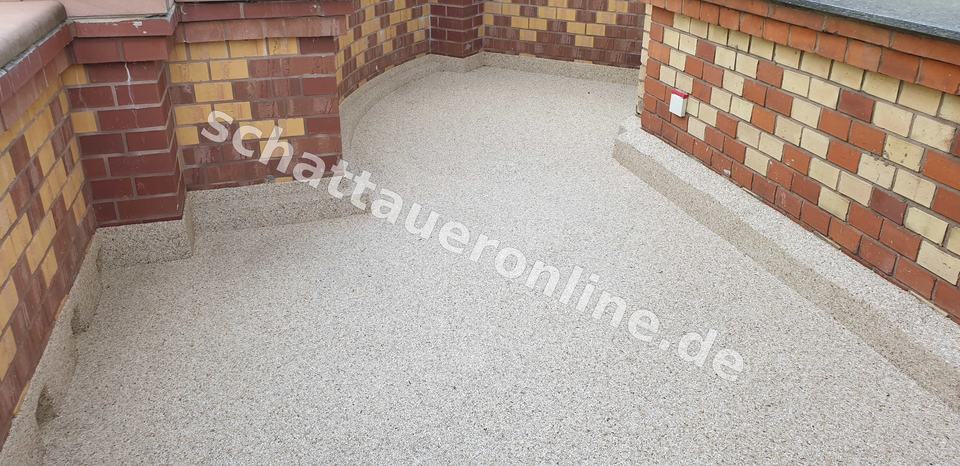
Reference photo from a Schattauer project in Dierdorf: Terrace area with weatherproof sealing and harmonious surface with a focus on maintenance intervals in practice and practical system design.
Terrace area with weatherproof sealing and harmonious surface - carried out by Schattauer in Dierdorf.
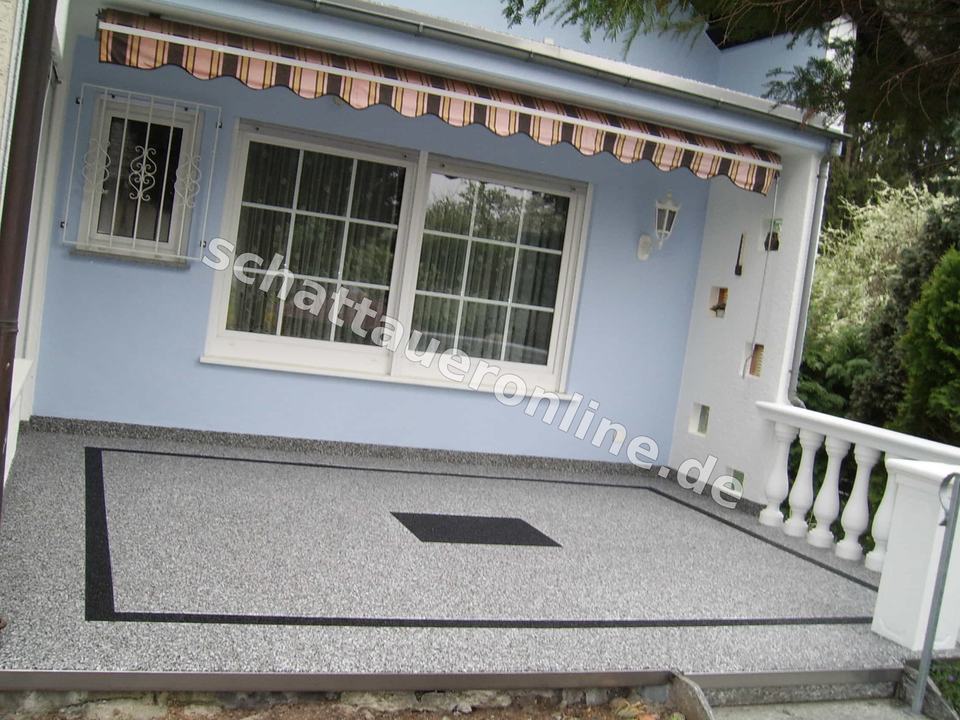
Floor coating for high loads - Schattauer construction site recording for maintenance intervals in practice with a focus on quality of detail in Dierdorf.
Floor coating for high loads - real project by Schattauer in the Dierdorf area.

Plan maintenance intervals sensibly: rhythm instead of coincidence

In Dierdorf, a clear maintenance schedule is the best protection against gradual damage. Seasonal checks before autumn and after winter record the most important risks.

If you adapt maintenance intervals to usage, weather and detailed zones, you can detect abnormalities early and keep renovation costs low.

Key points for maintenance intervals in practice in Dierdorf

  • Seasonal visual inspection (spring/autumn) as a basic structure
  • Additional checks after heavy rain, periods of frost or storms
  • Documentation of abnormalities with photos and dates
  • Regular cleaning of drainage paths and edge areas

What clients should pay attention to

For projects in Dierdorf, a clear decision-making framework helps to reduce technical risks and manage execution economically.

  • How much influence does weather and usage have on the property?
  • Which component areas react particularly sensitively?
  • Who will carry out internal visual inspections and when?
  • When does an additional technical examination make sense?
Deepening: Detailed practice pages can be found at Costs in Dierdorf and Renovation process in Dierdorf.

Avoid common mistakes

Many problems arise not from missing material, but from unclear order, inaccurate details or late reactions.

  • Set test intervals without reference to the real load
  • Document abnormalities, but do not track them
  • Clean drains sporadically instead of systematically
  • Understand maintenance only as a response to damage

Practice checklist for Dierdorf

This short list helps to classify maintenance intervals in practice more quickly and clearly before making an inquiry:

  • Seasonal visual inspection (spring/autumn) as a basic structure
  • Additional checks after heavy rain, periods of frost or storms
  • Documentation of abnormalities with photos and dates
  • For projects in Dierdorf, Rengsdorf and Puderbach, check transitions and edge zones separately early on.
Direct step: If several points apply, an early on-site inspection is worthwhile for reliable prioritization.

Frequently asked questions

Is an annual check enough?

Often used as a basis for areas with little traffic. For higher demands, additional intervals make sense.

Should you always check after storms?

Yes, a quick visual inspection after extreme weather is recommended.

Do I need a maintenance log?

It makes sense because it makes abnormalities and developments understandable.

Suitable guides: