Advice Cluster | Renovation of old buildings and preservation of existing buildings in Neuwied-Torney

Renovation of old buildings and protection of existing buildings in Neuwied-Torney: clearly structured from planning to aftercare

Renovations of old buildings in Neuwied-Torney require a structure that respects the existing substance and specifically strengthens critical details.

In the Neuwied-Torney area and the adjacent areas of Neuwied-Segendorf and Neuwied-Heddesdorf, the focus is on practical decisions when renovating old buildings and protecting existing buildings.

region

Neuwied and direct districts

Practical relevance

Experience from projects in Mainz, Neuwied and the surrounding area

Next step

Clarify questions, determine structure, execute cleanly
Short answer: Renovating old buildings and protecting existing buildings in Neuwied-Torney works best when technical suitability, clean execution and long-term aftercare are considered together.
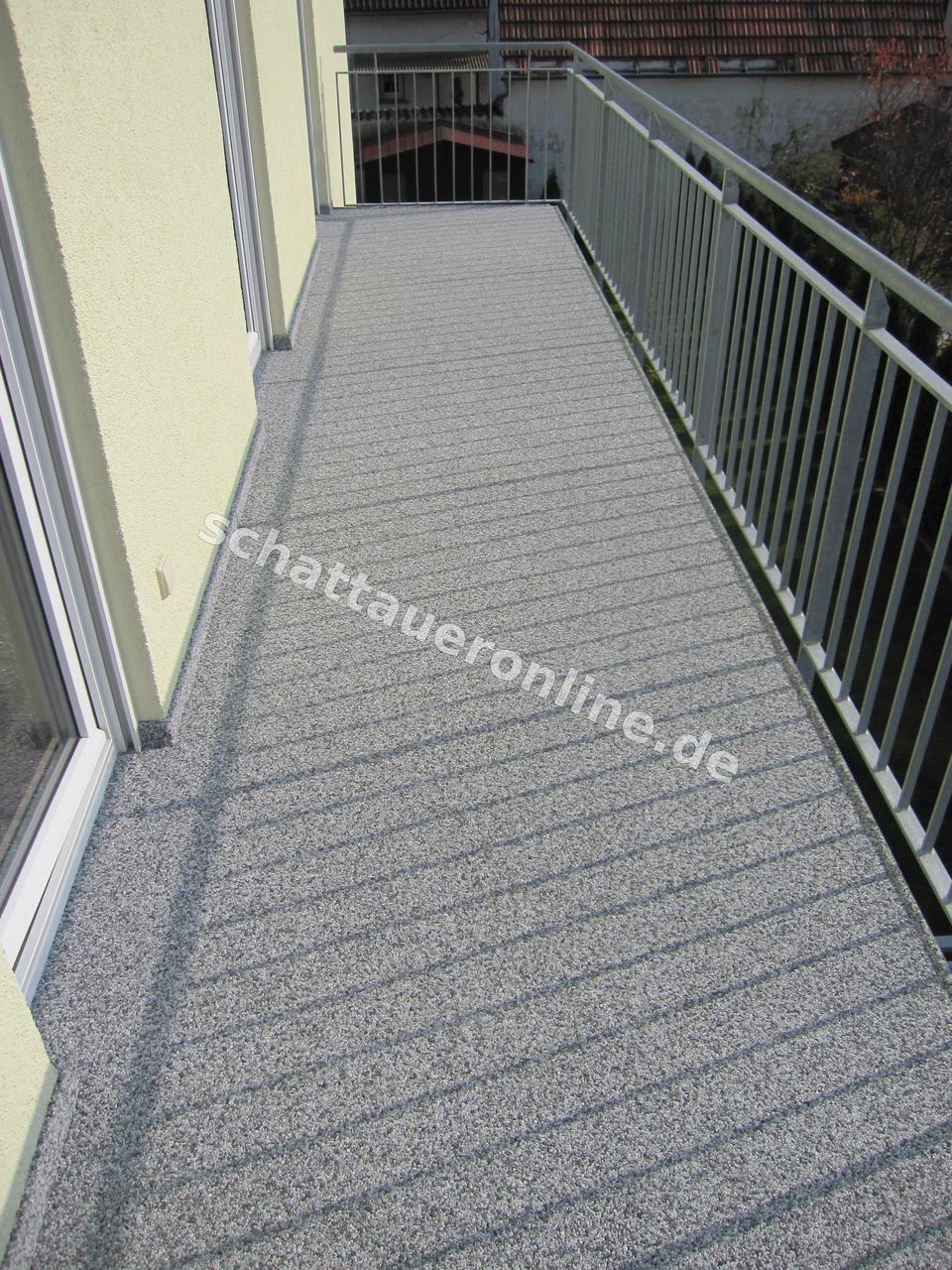
Balcony with neatly executed edge and connection details - construction site photograph from the Schattauer company for renovation of old buildings and preservation of existing buildings and practical system construction in Neuwied-Torney.
Balcony with neatly executed edge and connection details from a customer project in Neuwied-Torney.
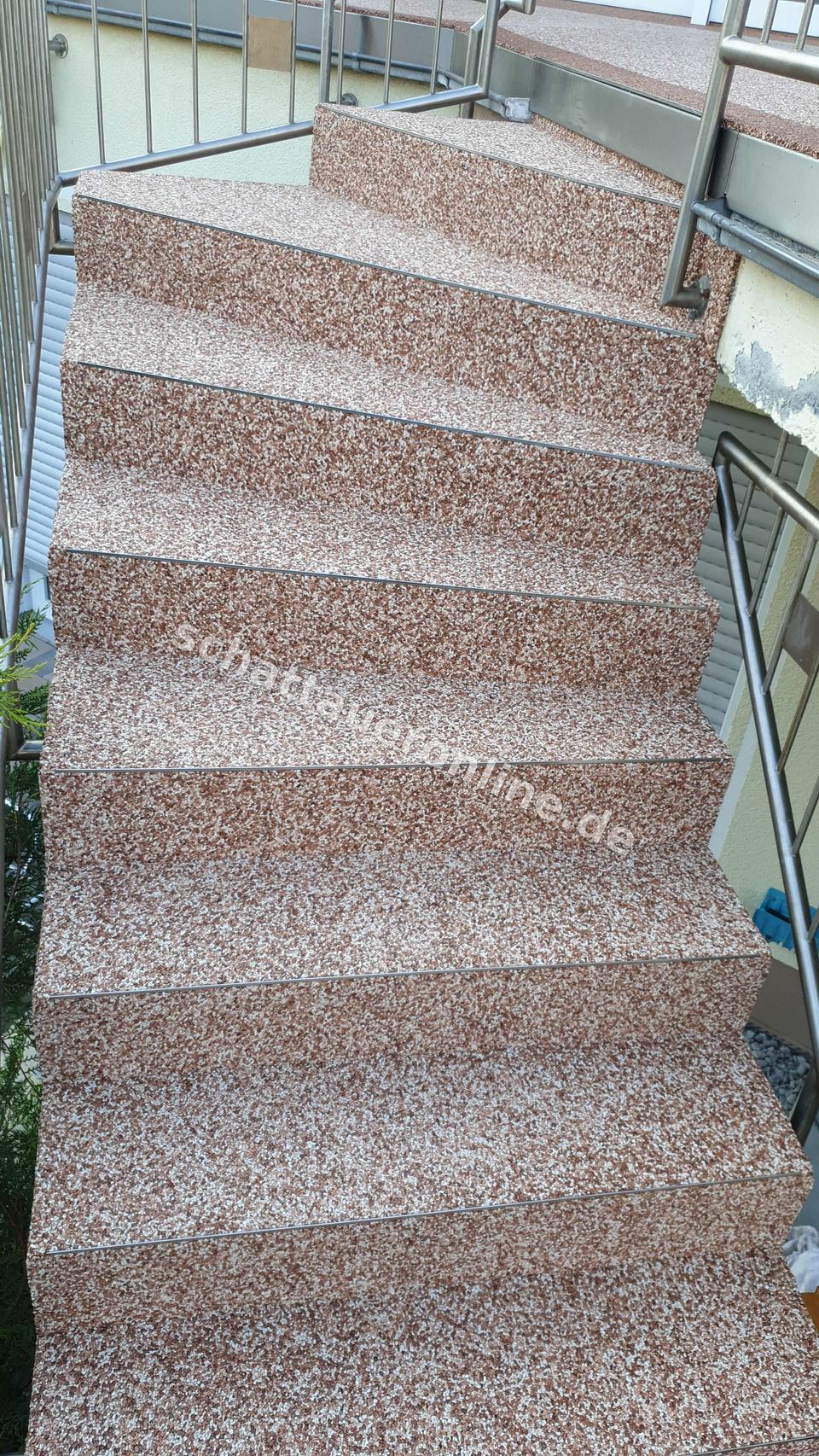
Staircase area with anti-slip surface from Schattauer's project in Neuwied-Torney, focussing on the renovation of old buildings and preservation of existing buildings with a focus on quality of detail.
Staircase area with anti-slip surface - carried out by Schattauer in Neuwied-Torney.

Old building focus: classify existing buildings correctly

In old buildings in Neuwied-Torney, the original structure often determines the renovation strategy. Layers, transitions and old repairs should be clearly documented before planning.

If you check the inventory early on in a structured manner, you can plan measures more specifically and avoid follow-up costs due to unsuitable quick solutions.

Key points for renovating old buildings and protecting existing buildings in Neuwied-Torney

  • Systematically record inventory structure, load-bearing capacity and moisture levels
  • Technically secure critical transitions at the base, door and edge zone
  • Match the renovation structure to the existing construction and use
  • Documentation of initial status and measures carried out

What clients should pay attention to

For projects in Neuwied-Torney, a clear decision-making framework helps to reduce technical risks and manage execution economically.

  • Which layers of old buildings can be preserved and which cannot?
  • Where are the greatest risks of moisture and subsequent damage?
  • Is a partial measure resilient or does a new structure make more sense?
  • How can substance protection and cost-effectiveness be combined?
Deepening: Detailed practice pages can be found at Costs in Neuwied-Torney and Renovation process in Neuwied-Torney.

Avoid common mistakes

Many problems arise not from missing material, but from unclear order, inaccurate details or late reactions.

  • Treat old building areas like new building areas
  • Skip underground testing in favor of quick optics work
  • Only renovate connection details superficially rather than systematically
  • Do not clearly separate the causes of moisture from surface damage

Practice checklist for Neuwied-Torney

This short list helps to classify the renovation of old buildings and the protection of existing buildings more quickly and clearly before making an inquiry:

  • Systematically record inventory structure, load-bearing capacity and moisture levels
  • Technically secure critical transitions at the base, door and edge zone
  • Match the renovation structure to the existing construction and use
  • For projects in Neuwied-Torney, Neuwied-Segendorf and Neuwied-Heddesdorf, check transitions and edge zones separately early on.
Direct step: If several points apply, an early on-site inspection is worthwhile for reliable prioritization.

Frequently asked questions

Is it possible to renovate an old building without completely demolishing it?

In many cases yes, if the structure and subsoil are technically sound.

Why is inventory so important?

Because it shows which layers can be safely built up and where risks lie.

Are old building projects automatically more expensive?

Not automatically. The costs depend on the condition and the necessary preparatory work.

Suitable guides: